Standard sleeping pads can feel narrow, unstable, and restrictive, especially for side sleepers or anyone who changes position during the night. The best wide sleeping pads provide more shoulder and hip room without sacrificing the cushioning, insulation, or portability your trips require.
This roundup compares 10 options across ultralight backpacking, comfortable car camping, couples’ setups, and budget-friendly use. Use the buying guide below to match pad width, thickness, insulation, inflation method, and packed size to your camping style.
Best 10 Wide Sleeping Pads Picks for 2026
Roomy Comfort
Aonhom 32.7-Inch Extra-Wide Sleeping Pad
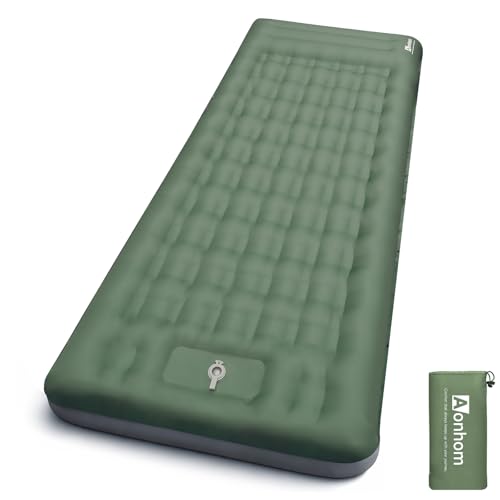
- 32.7-inch width and 6-inch thickness
- Built-in foot pump inflates in 60–120 seconds
- Side buttons connect two pads
Best For: Campers seeking maximum space and cushioning
Warm Lightweight Pick
Naturehike Insulated Sleeping Pad

- 4.6 R-value for added insulation
- About 1.7 pounds with compact storage
- 3.2-inch thickness and included inflation bag
Best For: Weight-conscious backpackers needing warmth
Backpacking Comfort

- 25-by-78-inch Wide Long format
- 4.25-inch thickness with quilted top
- 1.6 pounds with insulation up to R-4.8
Best For: Backpackers wanting roomy three-season comfort
Best Thick Wide Sleeping Pad

- 29.9-inch width with 4.9-inch thickness
- Built-in pump and integrated pillow
- 300-pound capacity; about 2.3 pounds
Best For: Side sleepers and comfort-focused tent campers
Best Double-Wide Insulated Pad
Big Agnes Rapide SL Double Wide

- Spacious 40-by-72-inch sleeping surface
- Heat-reflective insulation for three-season use
- Quilted top and included Pumphouse sack
Best For: Couples and roomy three-season backpacking
Best Wide Foam Camping Mattress
Cymla Memory Foam Camping Mattress

- Twin, full, queen, and other sizes available
- Three-inch memory foam cushioning
- Waterproof non-slip base with travel bag
Best For: Car camping, guest use, and sleepovers
Best Premium Comfort

- 30-inch-wide, 4.25-inch-thick sleeping surface
- 7.0 R-value for demanding conditions
- Vertical sidewalls maximize usable space
Best For: Car campers seeking maximum warmth and cushioning
Best Multi-Use Foam Pad

- Three-inch memory foam cushions hard surfaces
- Washable removable cover is easy to maintain
- Waterproof nonslip bottom supports stable placement
Best For: Car camping, travel, and guest-room use
Best Lightweight Wide Air Pad
Klymit Insulated Static V Luxe

- 30-inch width with a 32-ounce trail weight
- R-value 5 synthetic insulation for four seasons
- Packs down to approximately 10 by 5 inches
Best For: Backpackers wanting extra width without bulk
Roomy Comfort – Aonhom 32.7-Inch Extra-Wide Sleeping Pad
If you want wide sleeping pads with substantial cushioning, the Aonhom provides a 32.7-inch sleeping surface and a plush 6-inch thickness. Its built-in foot pump, durable 50D nylon construction, and packable design make it a practical choice for comfortable tent and campsite sleeping.
Best For: Campers who prioritize space, height, and easy inflation over ultralight weight.
Pros:
- Extra-wide 32.7-inch surface and 6-inch thickness provide generous room and ground clearance.
- Built-in foot pump inflates the pad in about 60–120 seconds without using your hands or mouth.
- Side buttons allow two pads to connect into a larger sleeping surface.
- Includes a carry bag and packs down for camping, travel, and other outdoor activities.
Cons:
- At 2.4 pounds, it is heavier than many minimalist backpacking pads.
- The large, thick design may take more room in a pack than narrower pads.
This is a comfort-focused option for sleepers who dislike narrow mats or hard ground. Choose it when spacious dimensions and convenient self-inflation matter more than achieving the smallest possible packed size.
Warm Lightweight Pick – Naturehike Insulated Sleeping Pad
Among wide sleeping pads for backpacking, the Naturehike stands out for combining a 25.2-inch width with a 4.6 R-value and a 1.7-pound packed weight. Its 3.2-inch thickness, heat-reflective construction, and included inflation bag target campers who need warmth without a bulky load.
Best For: Backpackers and hikers who want insulated, lightweight air support for three-season and colder-weather trips.
Pros:
- 4.6 R-value and eight-layer aluminum-molded insulation help reduce heat loss.
- Weighs about 1.7 pounds and packs to approximately 5.1 by 8.66 inches.
- 3.2-inch thickness and a pressure-distributing structure provide supportive cushioning.
- Dual-vent valve supports controlled inflation and quick deflation.
Cons:
- At 25.2 inches wide, it is roomy for backpacking but narrower than extra-wide car-camping pads.
- Requires careful inflation; the notes caution against over-inflating.
The Naturehike is a strong balance of insulation, portability, and comfort. It is a better fit for weight-conscious sleepers than oversized camping mattresses, especially when cold-ground protection is a priority.
Couples’ Camping Choice – Yuzonc Double Sleeping Pad
For couples or families comparing wide sleeping pads, the Yuzonc offers a 53.5-inch-wide double sleeping surface with 4 inches of thickness and built-in pillows. Its foot pump and compact carry bag simplify setup while leaving room for two sleepers in a tent.
Best For: Two-person camping, family trips, and sleepers who want integrated pillows and a broad shared surface.
Pros:
- Large 79.8-by-53.5-inch surface accommodates two people.
- Built-in foot pump inflates the pad in about 1–3 minutes.
- Integrated pillows support multiple sleeping positions without separate pillows.
- 40D nylon with TPU coating and a water-ripple design provide durability and pressure distribution.
Cons:
- Its 3-pound weight is less suitable for solo ultralight backpacking.
- The double-wide format requires more tent floor space and packed storage room.
- The product notes identify it as not water resistant, so it should be protected from wet conditions.
This is a practical shared sleeping solution when width matters more than minimum weight. The built-in pump and pillows reduce extra gear, making it particularly convenient for car camping and two-person tent setups.
Backpacking Comfort – Big Agnes Rapide SL Wide Long
The Big Agnes Rapide SL is a wide sleeping pad designed for backpackers who want extra shoulder and leg room without moving to a double mattress. Its 25-inch width, 4.25-inch thickness, heat-reflective insulation, and 1.6-pound weight create a comfortable balance for three-season trips.
Best For: Backpackers seeking a roomy, insulated pad with a cushioned surface and efficient inflation system.
Pros:
- Wide Long dimensions measure 25 by 78 inches for added personal space.
- 4.25-inch thickness, quilted top, and larger outer chambers create a cushioned, stable feel.
- Heat-reflective film provides insulation, with an R-value listed up to 4.8 for the Rapide SL series.
- Includes a Pumphouse inflation sack, storage sack, repair kit, and lifetime quality guarantee.
Cons:
- Its 25-inch width is narrower than dedicated extra-wide or two-person pads.
- The 1.6-pound weight is light for its size but not the absolute minimum for ultralight trips.
- The listed Wide Long size may require a longer sleeping area in smaller tents.
Choose the Rapide SL when you want a backpacking-oriented pad that feels more like a cushioned mattress than a thin mat. It delivers useful width and insulation while retaining a relatively low carry weight.
Best Thick Wide Sleeping Pad – TREKOLOGY UL140
If you want wide sleeping pads with substantial cushioning, the TREKOLOGY UL140 provides a 29.9-inch surface and a 4.9-inch-thick inflatable design. Its integrated pump, built-in pillow, and 300-pound capacity make it a practical option for campers who prioritize comfort without carrying a bulky mattress.
Best For: Side sleepers, larger adults, and three-season tent campers who want a thick, supportive pad with integrated inflation and neck support.
Pros:
- 29.9-inch width and 4.9-inch thickness provide a spacious, cushioned sleeping surface.
- Built-in pump eliminates the need for a separate inflator.
- Integrated 7.8-inch pillow supports the neck and shoulders.
- Weighs about 2.3 pounds and packs to approximately 4.9 by 10.8 inches.
Cons:
- At 29.9 inches wide, it is narrower than a true double-wide pad.
- The integrated pillow may not suit sleepers who prefer a separate pillow.
- Its listed water resistance is not the same as full waterproofing.
The UL140 is a strong comfort-focused choice among wide sleeping pads, especially when thickness and convenience matter more than minimizing every ounce. Its durable 40D nylon construction and water-resistant coating add practicality for three-season use.
Best Double-Wide Insulated Pad – Big Agnes Rapide SL Double Wide
The Big Agnes Rapide SL is one of the widest sleeping pads in this roundup, measuring 40 by 72 inches. Its insulated construction, quilted surface, and raised outer chambers create a spacious two-person or roomier solo sleeping area while keeping the packed design suitable for backpacking.
Best For: Couples, solo campers who want extra room, and three-season backpackers seeking insulation and a plush inflatable surface.
Pros:
- 40-inch double-wide format offers significantly more sleeping space than standard pads.
- Two layers of heat-reflective film provide insulation, with R-values up to 4.8 in the Rapide SL series.
- Quilted top and raised outer chambers improve cushioning and stability.
- Includes a Pumphouse inflation sack, storage sack, and repair kit.
Cons:
- The double-wide size may be too large for narrow tents or solo backpacking setups.
- Its 2.3-pound weight is less minimal than a compact single pad.
- The supplied details list the pad as not water resistant.
Choose the Rapide SL when width, warmth, and comfort are higher priorities than the smallest possible footprint. The 40-inch design is especially appealing for couples or restless sleepers, while its inflation sack and compact materials preserve backcountry practicality.
Best Wide Foam Camping Mattress – Cymla Memory Foam Camping Mattress
For car camping, guest use, and sleepovers, this memory foam mattress offers a wider, bed-like alternative to inflatable sleeping pads. The available sizes include twin, twin XL, full, and queen options, while the three-inch foam construction is designed to cushion the body and absorb shocks.
Best For: Car campers, guest beds, sleepovers, and floor sleeping where packed weight is less important than foam comfort.
Pros:
- Multiple wide sizes are available, including 38-inch twin and 60-inch queen options.
- High-density memory foam adapts to body shape and weight for cushioning.
- Waterproof, non-slip bottom helps stabilize the mattress on varied surfaces.
- Includes a travel bag and packing straps for transport.
Cons:
- The supplied 72-by-24-inch version is relatively narrow; wider sizes must be selected separately.
- Foam is less suited to lightweight backpacking than an inflatable pad.
- It may need 24–72 hours to fully rebound after vacuum compression.
This is a practical choice if you want wide sleeping pads for vehicles, tents with ample floor space, or temporary indoor beds rather than trail-focused camping. Its foam comfort and waterproof non-slip base favor convenience and stability, while the roll-up format keeps it manageable for travel.
Best Premium Comfort – Therm-a-Rest MondoKing 3D XXL
Therm-a-Rest MondoKing 3D Self-Inflating Camping Sleeping Pad, XX-Large - 80 x 30 Inches
Check Price On AmazonFor campers who want a genuinely roomy sleep surface, the Therm-a-Rest MondoKing 3D is one of the most substantial wide sleeping pads available. Its 30-inch width, 4.25-inch thickness, vertical sidewalls, and 7.0 R-value prioritize comfort and insulation over minimal packed weight.
Best For: Car campers and cold-weather sleepers who want a spacious, highly cushioned pad.
Pros:
- Extra-wide 80-by-30-inch sleeping surface with 4.25 inches of cushioning
- 7.0 R-value and StrataCore construction provide strong insulation
- 3D sidewalls maximize usable space and help prevent rolling off
- TwinLock valves simplify inflation and deflation
Cons:
- At 5.5 pounds, it is better suited to car camping than backpacking
- Its 26-by-10.3-inch packed size is relatively bulky
The MondoKing 3D is a strong choice when warmth, width, and mattress-like comfort matter more than carrying efficiency. It also includes a pump sack and carries a limited lifetime warranty.
Best Multi-Use Foam Pad – Memory Foam Camping Mattress
This memory foam camping mattress is a practical option for shoppers who want wide sleeping pads for camping as well as home and vehicle use. Its 72-by-24-inch layout, three-inch foam construction, washable cover, and nonslip waterproof bottom make it especially versatile for car camping and guest use.
Best For: Car campers, road trippers, and households needing a portable guest or floor mattress.
Pros:
- Three-inch memory foam and support foam provide cushioning on hard floors
- Removable, machine-washable cover simplifies cleaning
- Waterproof, nonslip bottom helps keep the mattress in place
- Can be used for camping, travel, sofas, guest rooms, or pets
Cons:
- At 6.4 pounds, it is not designed for lightweight backpacking
- Requires 48–72 hours to fully expand before accurate measuring
- The 24-inch width is less spacious than the widest camping pads
This mattress favors cushioned, familiar foam comfort and flexible indoor-outdoor use. It is a better fit for vehicle-based camping and temporary sleeping arrangements than for compact backcountry trips.
Best Lightweight Wide Air Pad – Klymit Insulated Static V Luxe
The Klymit Insulated Static V Luxe combines a generous 30-inch width with a backpack-friendly 32-ounce weight. Its V-Chamber design, dynamic side rails, and synthetic insulation make it a compelling choice for hikers who want wide sleeping pads without giving up portability.
Best For: Backpackers and hikers who want a wide, insulated inflatable pad with a small packed size.
Pros:
- 76-by-30-inch inflated dimensions offer generous room for one adult
- Weighs 32 ounces and packs to approximately 10 by 5 inches
- V-Chambers support side, back, and stomach sleeping positions
- R-value of 5 provides four-season insulation
Cons:
- Requires approximately 20–30 breaths to inflate
- Maximum listed weight capacity is 300 pounds
- Air-pad construction may feel less mattress-like than thick foam models
With its wide profile and compact 32-ounce package, the Static V Luxe strikes a useful balance between sleeping space and trail weight. The included stuff sack and patch kit add practical convenience for camping trips.
How We Picked the Best Wide Sleeping Pads
We focused on sleeping pads that offer noticeably more usable space than narrow backpacking models, including wide single pads, extra-thick self-inflating mattresses, double pads, and roomy designs with built-in pumps. We compared the selected options by sleeping surface, insulation, cushioning, inflation convenience, portability, and likely use case.
Because “wide” can mean different things, this list includes pads around 25 to 33 inches wide for solo sleepers as well as double models approximately 40 inches wide. Some are better suited to backpacking, while others prioritize home-like comfort for car camping or guest use.
Quick Comparison
- Best for backpacking: Look for a high warmth-to-weight ratio, compact packed size, and dependable inflation system.
- Best for side sleepers: Choose a thicker pad with a stable surface and enough width to keep your elbows and hips supported.
- Best for couples: Double-wide models provide a shared sleeping surface, but check their packed size and total weight before traveling.
- Best for car camping: Self-inflating and memory-foam designs usually offer the most bed-like comfort.
- Best for quick setup: Built-in pumps reduce the need to carry a separate inflation bag or electric pump.
Key Buying Factors for Wide Sleeping Pads
Width and Sleeping Shape
Measure your shoulder width and consider how much you move at night. A 25-inch pad may be sufficient for many solo campers, while sleepers who turn frequently may prefer a 30-inch-plus design. Rectangular pads generally provide more usable space than tapered backpacking shapes.
Thickness and Support
Thicker pads cushion hips, shoulders, and knees more effectively, especially on hard ground. A taller air pad can feel comfortable and pack small, while self-inflating or foam mattresses may provide a more stable, less bouncy feel.
Insulation and R-Value
For cold-weather camping, prioritize a higher R-value rather than width alone. Insulated pads reduce heat loss into the ground. Three-season campers may need moderate insulation, while winter use requires a pad selected specifically for low temperatures and often an additional insulating layer.
Weight, Packed Size, and Durability
Wide Sleeping Pads naturally use more material and can weigh more than standard models. Backpackers should verify the listed packed dimensions and carry weight. Car campers can usually prioritize comfort and durability, but should still check storage space and repair-kit availability.
Inflation and Deflation
Built-in foot pumps are convenient at campsites, while self-inflating pads reduce setup effort but may need topping off. Air pads require careful inflation and storage; avoid overinflating them in hot conditions and follow the manufacturer’s care instructions.
Who Should Buy Which Wide Sleeping Pads?
Choose a wide insulated air pad if you backpack but want more room than a standard pad. Choose a thick self-inflating or memory-foam mattress for car camping, frequent use, or maximum stability. Choose a double-wide pad if two people share one sleeping surface and you have room for its larger packed size. Choose a built-in-pump model if fast campsite setup matters most.
Before buying, confirm the inflated dimensions, R-value, packed size, weight, valve or pump design, and recommended sleeping temperature. Those specifications will determine whether a wide pad feels comfortable on your trips or becomes unnecessarily heavy and difficult to store.