Choosing the best heart rate monitor for seniors means balancing readable displays, simple controls, dependable measurements, and the right level of health tracking.
This roundup compares ten practical options, from fingertip pulse oximeters and upper-arm blood pressure monitors to fitness watches and a portable EKG device.
Best 10 Heart Rate Monitor for Seniors Picks for 2026
Clinical Rhythm Checks

- 30-second 1-lead EKG results
- No subscription, Bluetooth, or Wi-Fi required
- Compact design with about 12-month battery life
Best For: On-demand heart-rhythm checks with a smartphone
Simple Daily Tracking

- Basic tracking works without a phone or app
- Monitors heart rate, sleep, and activity
- Provides 5–7 days of battery use
Best For: Everyday wearable wellness tracking
Quick Oxygen and Pulse Readings
Zacurate 500 Series Pulse Oximeter

- Shows pulse and SpO2 in about 10 seconds
- Large user-facing LED display
- Includes batteries, cover, lanyard, and warranty
Best For: Simple fingertip pulse and oxygen spot checks
Large-Screen Senior Wearable
DAVIKO Senior-Friendly Fitness Tracker
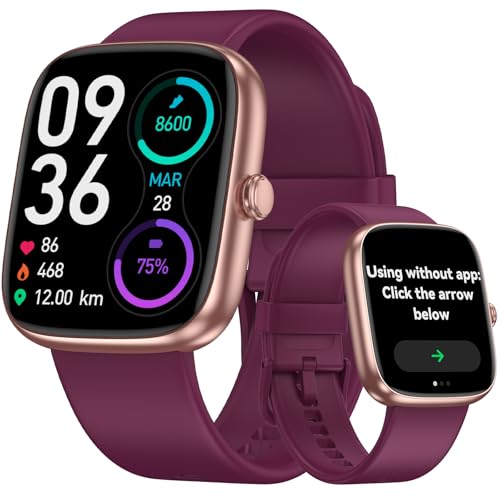
- Large 1.83-inch display and touchscreen
- Automatic heart rate and manual blood oxygen checks
- Up to 7 days of use with magnetic charging
Best For: Readable daily wellness tracking for older adults
Heart-Rhythm Alert Pick
iHealth Track Blood Pressure Monitor
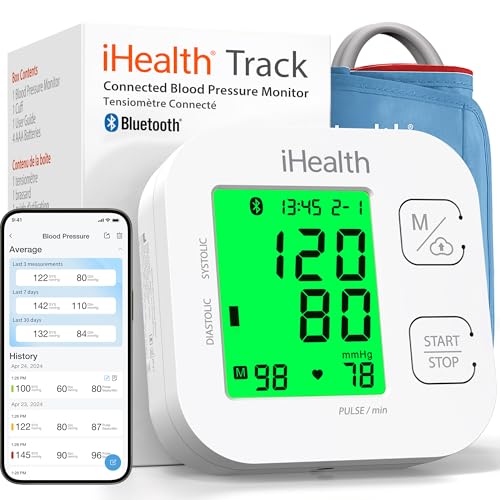
- Oversized multicolor backlit display
- Flags detected heart rhythm disturbances
- Wide-range upper-arm cuff included
Best For: Seniors combining blood pressure and rhythm checks
Wearable Wellness Pick

- 24/7 heart-rate and activity tracking
- Tracks sleep, steps, and seven sports modes
- Up to seven days of daily battery use
Best For: Active seniors wanting wrist-based wellness trends
Easy-Read Spot Checks
Innovo Deluxe iP900AP Pulse Oximeter

- Pulse and SpO2 spot checks
- Audible alerts and adjustable brightness
- Includes batteries and lanyard
Best For: Simple at-home or portable readings
Workout-Ready Accuracy
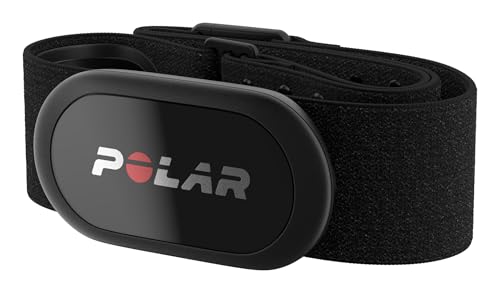
- High-precision heart-rate sensing
- Bluetooth, ANT+, and 5 kHz connectivity
- Waterproof with internal memory
Best For: Active users tracking exercise heart rate
All-Day Wearable Tracking
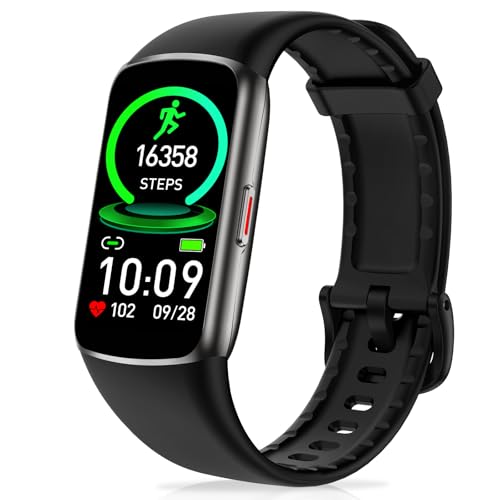
- 24/7 heart-rate and wellness tracking
- Large AMOLED touchscreen
- IP68 water resistance and long battery life
Best For: Daily activity, sleep, and wellness tracking
Clinical Rhythm Checks – KardiaMobile 1-Lead EKG
For seniors who need more than a basic heart rate reading, the KardiaMobile is a compact heart rate monitor for seniors that records a 30-second, FDA-cleared, 1-lead EKG using a smartphone. Its button-free setup avoids Bluetooth, Wi-Fi, cords, and a subscription.
Best For: Seniors or caregivers who want quick heart-rhythm checks and possible AFib or arrhythmia detection through a compatible smartphone.
Pros:
- Provides results in about 30 seconds.
- Works without a subscription, Bluetooth, or Wi-Fi.
- Compact design and approximately 12-month battery life.
Cons:
- Requires a compatible smartphone for use and viewing results.
- It is a 1-lead EKG monitor rather than a continuous wearable tracker.
KardiaMobile is the most medically focused option in this group, but it is intended for on-demand rhythm checks rather than all-day activity tracking. Seniors should use its readings as directed by a healthcare professional.
Simple Daily Tracking – LIVIKEY Fitness Tracker Watch
This LIVIKEY watch is a practical heart rate monitor for seniors who prefer a familiar watch format and do not want to depend on a phone for basic tracking. It monitors heart rate and sleep, counts steps, and supports multiple sport modes.
Best For: Seniors seeking a straightforward wearable for daily heart rate, sleep, step, and activity tracking without requiring an app or phone connection for core functions.
Pros:
- Core fitness tracking works without an app or smartphone connection.
- Tracks heart rate, sleep, steps, calories, distance, and active time.
- Offers 9 sport modes and 5–7 days of use after charging.
- IP68 water resistance helps with sweat, handwashing, and rain.
Cons:
- Some features, including notifications and goal setting, require phone pairing.
- It cannot make calls or send texts.
- Heart rate monitoring is a fitness feature, not an EKG.
With automatic heart rate and sleep monitoring plus phone-free basic operation, this watch emphasizes convenience. It is a better fit for everyday wellness tracking than for investigating a suspected heart rhythm issue.
Quick Oxygen and Pulse Readings – Zacurate 500 Series Pulse Oximeter
The Zacurate 500 Series is a fingertip heart rate monitor for seniors that displays pulse rate alongside blood oxygen saturation. Its large digital LED display, included batteries, silicone cover, and lanyard make it convenient for occasional at-home readings.
Best For: Seniors who want quick fingertip pulse and SpO2 checks with an easy-to-read display and no phone connection.
Pros:
- Displays pulse rate, pulse strength, and SpO2 in about 10 seconds.
- Large LED display faces the user for easier reading.
- Includes two AAA batteries, a protective silicone cover, and lanyard.
- Includes a 12-month warranty and USA-based technical phone support.
Cons:
- Measures pulse and oxygen saturation, not a full heart rhythm or EKG.
- Listed for ages 12 and above and intended for finger use.
- Battery life is listed at approximately 30 hours.
This is a simple spot-check device rather than a wearable monitor. Its large display and included accessories make it useful for occasional readings, while the stated ±2% accuracy applies to the listed measurement ranges.
Large-Screen Senior Wearable – DAVIKO Senior-Friendly Fitness Tracker
The DAVIKO tracker combines a large 1.83-inch display with automatic heart rate monitoring, making it a convenient heart rate monitor for seniors who prefer larger on-screen controls. It can handle basic tracking independently while also pairing with iOS or Android phones for connected features.
Best For: Older adults who want a readable smartwatch for heart rate, steps, sleep, and activity tracking with the option to use core features without a phone.
Pros:
- Bright 1.83-inch LCD screen with touchscreen controls.
- Automatically monitors heart rate and manually checks blood oxygen.
- Tracks steps, distance, calories, active minutes, and sleep.
- Offers magnetic charging, up to 7 days of use, and IP68 waterproofing.
Cons:
- Phone pairing is needed for connected features such as notifications and smartphone-linked functions.
- Blood oxygen measurements are manual rather than continuous.
- It is a wellness tracker, not a diagnostic EKG monitor.
The large display and standalone core functions make this one of the more senior-oriented wearable choices here. Consider it for routine wellness trends, not for diagnosing heart conditions or replacing professional medical advice.
Easy-Read Pick – Fingertip Pulse Oximeter
This fingertip pulse oximeter is a straightforward option for shoppers seeking a heart rate monitor for seniors who want quick pulse and oxygen readings. Its bright OLED screen, large digits, one-button operation, and included batteries make it simple to use at home or on the go.
Best For: Seniors who prefer a compact, portable device with an easy-to-read display and simple controls.
Pros:
- Large digits show pulse rate, SpO2, and signal strength clearly.
- One-button operation provides quick readings after inserting a finger.
- Includes two AAA batteries, a lanyard, and a one-year manufacturer warranty.
Cons:
- Measures pulse and blood oxygen rather than blood pressure.
- The specified SpO2 measuring range is 70% to 100%.
Choose this model when portability and readable results matter most. The waveform bar graph offers an additional visual indication of pulse strength, while auto power-off helps preserve battery life.
Heart-Rhythm Alert Pick – iHealth Track Blood Pressure Monitor
The iHealth Track is a practical choice for shoppers who want a heart rate monitor for seniors integrated into an upper-arm blood pressure routine. It uses two-button operation, an oversized multicolor display, and an automatic alert for detected heart rhythm disturbances.
Best For: Seniors who want upper-arm blood pressure readings, color-coded result guidance, and optional smartphone tracking.
Pros:
- Large backlit numbers are designed for easier reading.
- Automatically displays a warning symbol if a heart rhythm disturbance is detected.
- Stores up to 99 readings and supports unlimited app readings through iOS and Android apps.
- Includes a wide-range cuff for 8.7- to 16.5-inch upper arms and four AAA batteries.
Cons:
- It is an upper-arm blood pressure monitor, not a standalone wearable heart-rate tracker.
- App features require a compatible smartphone and Bluetooth 4.0 or later.
This is the stronger fit for home monitoring when blood pressure context matters alongside heart rhythm alerts. Read the manual before first use to help support accurate measurements.
Wearable Wellness Pick – MorePro Fitness Tracker
The MorePro fitness tracker suits shoppers seeking a wearable heart rate monitor for seniors with all-day activity features. It offers 24/7 heart-rate monitoring, on-demand blood oxygen checks, sleep and activity tracking, notifications, and a slim 1.47-inch display.
Best For: Active seniors who want ongoing wellness trends, daily movement tracking, and smartwatch-style reminders from the wrist.
Pros:
- Provides 24/7 heart-rate monitoring plus blood pressure and on-demand blood oxygen features.
- Tracks steps, distance, calories, sleep, and seven sports modes.
- IP68 waterproof design and up to seven days of daily battery use.
- Supports call, text, email, and app-message notifications.
Cons:
- Health measurements are for general wellness and fitness reference, not medical use.
- Requires an Android 7.0 or iOS 13.0-and-newer smartphone with Bluetooth 5.3 or above.
- No built-in GPS, and it is not compatible with PCs, iPads, or tablets.
This tracker is best for seniors who value continuous lifestyle feedback rather than clinical measurements. Its reminders, sleep tracking, waterproof construction, and customizable watch faces add practical everyday convenience.
Easy-Read Spot Checks – Innovo Deluxe iP900AP Pulse Oximeter
For shoppers seeking a heart rate monitor for seniors, the Innovo Deluxe iP900AP offers straightforward fingertip readings of pulse rate and blood oxygen saturation. Its plethysmograph, perfusion index, adjustable brightness, and audible alerts can make at-home spot checks easier, provided the user remains still during measurement.
Best For: Seniors who want a simple, portable monitor for occasional pulse and SpO2 checks at home or on the go.
Pros:
- Measures pulse rate and SpO2 with stated accuracy of +/-2%.
- Includes a plethysmograph and perfusion index to help assess reading quality.
- Auditory alarm, pulse detection beeps, and adjustable display brightness support usability.
- Comes ready to use with two AAA batteries and a lanyard.
Cons:
- This is a fingertip spot-check device rather than a continuous wearable monitor.
- Readings require the user to remain still.
- Its stated SpO2 measuring range is 70%–100%.
The iP900AP is a practical choice when simplicity and immediate readings matter more than activity tracking or phone connectivity. The audible features and brightness adjustment are particularly useful for routine checks.
Workout-Ready Accuracy – Polar H10 Chest Strap
The Polar H10 is a strong option for anyone comparing a heart rate monitor for seniors who exercise and want precise, real-time heart rate data. Its chest-strap design supports Bluetooth, ANT+, and 5 kHz connections, while the waterproof sensor and internal memory add flexibility for workouts.
Best For: Active seniors who are comfortable wearing a chest strap and want accurate exercise heart-rate tracking across compatible devices.
Pros:
- Recognized for high measurement precision within Polar’s sensor range.
- Supports Bluetooth, ANT+, and 5 kHz connectivity, including simultaneous connections.
- Waterproof and equipped with internal memory for multiple hours.
- Battery life is listed at approximately 400 hours, with a CR2025 battery included.
Cons:
- A chest strap may be less convenient than a wrist-worn or fingertip monitor.
- Requires a compatible phone, tablet, computer, or other HRM equipment for connected use.
- The listed size is M–XXL, so fit should be checked before purchase.
Choose the H10 when exercise accuracy and broad connectivity are priorities. It is less suited to someone who wants an especially simple, screen-based monitor for occasional readings.
All-Day Wearable Tracking – Zeacool Fitness Tracker
The Zeacool Fitness Tracker suits shoppers looking for a heart rate monitor for seniors that also covers daily activity and sleep. It offers 24/7 heart-rate monitoring, blood oxygen and temperature tracking, sleep analysis, a 1.47-inch AMOLED display, and app-based records through Da Fit.
Best For: Seniors who prefer a smartwatch-style tracker for ongoing wellness data, walking activity, sleep monitoring, and reminders.
Pros:
- Provides 24/7 heart-rate monitoring along with blood oxygen, sleep, and temperature tracking.
- Large 1.47-inch AMOLED HD touchscreen supports at-a-glance viewing.
- Tracks steps, distance, calories, and numerous sports modes through the Da Fit app.
- IP68-rated design and stated 10–14-day regular-use battery life support everyday wear.
Cons:
- Requires an iPhone or Android smartphone for app-based records and compatibility.
- It combines wellness and activity features rather than serving as a dedicated medical monitor.
- The supplied notes do not specify measurement accuracy or clinical validation.
The Zeacool is the most feature-rich choice of the three for continuous lifestyle tracking. Its larger display, reminders, sleep score, and long stated battery life may appeal to seniors who want more than pulse readings alone.
How We Picked the Best Heart Rate Monitor for Seniors
We grouped these products by how they measure heart rate and how they are likely to fit into a senior’s routine. The selection includes simple fingertip monitors, wearable fitness trackers, chest-strap sensors, an upper-arm blood pressure monitor, and a single-lead EKG device. We considered display readability, setup requirements, measurement features, portability, comfort, connectivity, and whether the device can work without a smartphone.
These products are useful for wellness tracking and occasional readings, but they are not interchangeable with medical evaluation. Anyone monitoring a diagnosed heart condition or experiencing concerning symptoms should follow a clinician’s instructions.
Quick Comparison
- Best for a clinical-style rhythm check: KardiaMobile 1-Lead EKG Monitor.
- Best for simple spot checks: Zacurate 500 Series or the included-screen fingertip pulse oximeters.
- Best for blood pressure and pulse together: iHealth Track Smart Upper Arm Blood Pressure Monitor.
- Best for daily activity tracking: MorePro, Zeacool, or the senior-friendly fitness trackers.
- Best for workout accuracy: Polar H10 chest strap.
- Best for oxygen readings with additional indicators: Innovo Deluxe iP900AP.
Key Buying Factors for a Heart Rate Monitor for Seniors
Display and Controls
Look for large numbers, strong contrast, straightforward buttons, and an easy-to-read screen. A fingertip monitor is often simpler than a smartwatch, while a watch may be more convenient for continuous tracking.
Measurement Type
Pulse oximeters estimate pulse rate and blood oxygen saturation. Fitness trackers measure heart rate during daily activity and exercise. A chest strap is designed for more responsive workout monitoring, while an EKG device records electrical heart rhythm and serves a different purpose than a basic pulse reading.
Phone Requirements
Some trackers need an app for setup, history, alerts, or detailed reports. If the user does not regularly use a smartphone, choose a model that displays readings independently or select a dedicated fingertip monitor.
Fit, Comfort, and Maintenance
Wearables should be comfortable enough for regular use, and chest straps require a secure fit. Check battery or charging needs, water resistance, replacement accessories, and cuff sizing before buying. For blood pressure monitoring, correct upper-arm cuff placement is especially important.
Who Should Buy Which Heart Rate Monitor for Seniors?
Choose a fingertip pulse oximeter for quick, portable pulse and oxygen checks. Select the iHealth upper-arm monitor when blood pressure readings are also needed. A fitness tracker suits seniors who want step counts, sleep information, activity data, and ongoing heart-rate trends without taking manual readings. Pick the Polar H10 for exercise-focused monitoring and the KardiaMobile for users who specifically want single-lead EKG recordings and can follow its operating instructions.
When simplicity is the priority, favor a large display and no-phone operation. When trend tracking matters, a wearable with an app may be worthwhile. In every case, confirm that the device’s readings and alerts match the user’s care plan rather than treating consumer data as a diagnosis.