Tracking your workout goals is essential for staying motivated and achieving your fitness aspirations.
In today’s digital age, finding the right workout goal tracker can make all the difference.
This article will explore effective methods to monitor your progress, along with tips and tools that can support your fitness journey.
Why Use a Workout Goal Tracker?
Using a workout goal tracker is crucial for several reasons.
- Accountability: When you track your progress, you’re more likely to stay accountable.
- Motivation: Seeing your improvements can boost your motivation to continue.
- Goal Setting: A tracker helps you set realistic and achievable fitness goals.
- Adjustments: If you’re not making the expected progress, a tracker can help you adjust your workouts accordingly.
To truly benefit from your fitness journey, investing time in selecting a reliable workout goal tracker is highly recommended.
What Types of Workout Goal Trackers Are Available?
Choosing the right type of workout goal tracker depends on individual preferences and fitness routines. Here are some popular options:
- Apps: Many apps cater to tracking workouts, dietary intake, and fitness goals. Popular examples include MyFitnessPal, Strava, and Fitbit.
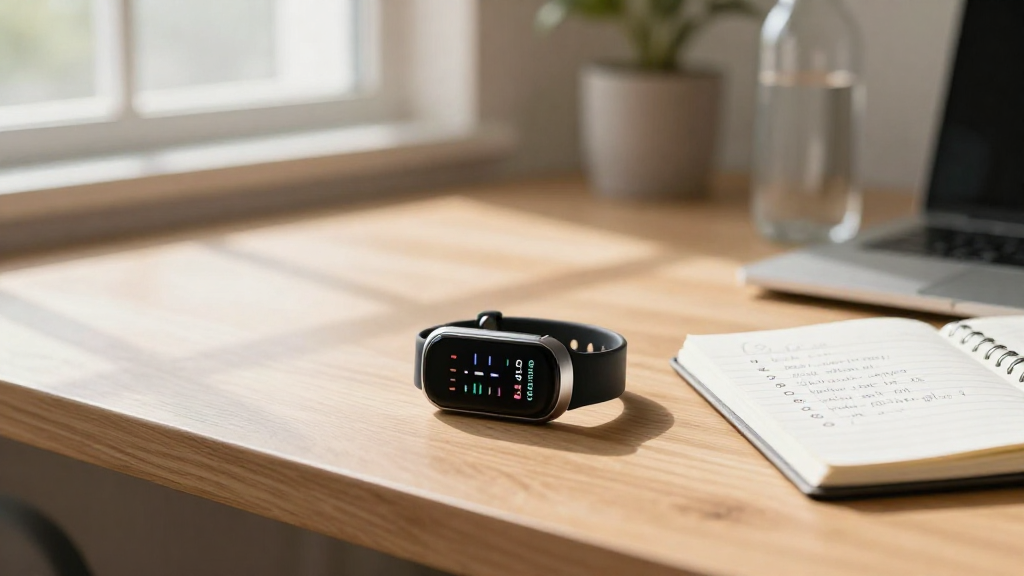
- Wearables: Fitness trackers and smartwatches like Apple Watch or Garmin can continuously monitor your workouts and health metrics.
- Journals: Some prefer a more analog approach. Keeping a workout journal can help you document your progress, challenges, and achievements.
- Online Platforms: Websites like MyFitnessPal and SparkPeople offer online communities where you can track your workouts and share experiences with others.
How Do You Set Your Workout Goals?
Setting well-defined workout goals is integral to using a workout goal tracker effectively. Here’s how to get started:
What Are SMART Goals?
To ensure your fitness goals are achievable and motivating, consider using the SMART criteria:
- Specific: Define precisely what you want to achieve. (“I want to run a 5K in under 30 minutes.”)
- Measurable: Ensure you can track your progress. (“I will run three times a week.”)
- Achievable: Set realistic goals that push you but are still attainable.
- Relevant: Align your goals with your overall fitness aspirations.
- Time-bound: Set a deadline for your goal. (“I aim to complete the 5K in three months.”)
Should You Track Daily or Weekly?
Another point to consider is whether to track your workouts daily or weekly.
- Daily Tracking: This method can offer a more detailed look at your workouts and help you identify patterns.
- Weekly Tracking: A broader view can help lessen the pressure of daily logging and provide a clearer picture of your progress over time.
Choose the frequency that suits your lifestyle and helps you stay motivated.
How Do You Use a Workout Goal Tracker Effectively?
Using a workout goal tracker correctly can amplify your results.
Here are some effective strategies:
- Be Consistent: Log your workouts regularly to build momentum and accountability.
- Review Progress: Set aside time weekly to review your progress and adjust your goals if necessary.
- Stay Honest: Document your workouts honestly, including setbacks and challenges.
- Celebrate Milestones: Reward yourself for completing milestones to stay motivated.
- Seek Support: Share your progress with friends, family, or online communities for encouragement.
What Features Should You Look for in a Workout Goal Tracker?
When considering a workout goal tracker, it’s vital to find one that suits your specific needs.
Here are key features to look for:
- User-Friendly Interface: A clean and easy-to-navigate design makes logging workouts more enjoyable.
- Customizability: Look for trackers that allow you to customize workouts according to your preferences.
- Integration with Other Tools: Consider options that can sync with your smartwatch, fitness apps, or dietary trackers.
- Tracking Variety: It’s beneficial if the tracker can monitor various fitness aspects—strength training, cardio, flexibility, etc.
- Social Features: Engaging with a community can keep you motivated and inspired.
Do You Need Professional Guidance?
While using a workout goal tracker can help you find your footing, many people benefit from professional guidance.
Personal trainers can provide personalized workout plans, ensuring you’re on track to achieve your fitness goals safely and efficiently.
When Should You Hire a Personal Trainer?
- If you’re new to exercise, a trainer can offer foundational knowledge.
- If you want to advance your skills or break through plateaus, a trainer can provide strategies.
- If you need additional motivation or accountability, regular sessions with a trainer can help.
What Are the Best Apps to Track Your Workout Goals?
While there are countless options, here are some of the best apps currently available:
- MyFitnessPal: Excellent for food tracking and gym workouts, making it a comprehensive option.
- Strava: Perfect for runners and cyclists wanting to track distance and performance.
- Fitbod: Great for strength training enthusiasts, offering detailed warm-up and workout suggestions.
- Nike Training Club: Provides great free workout routines with tracking features.
- Jefit: Ideal for bodybuilders and strength trainers, allowing detailed tracking of weights and reps.
Be sure to choose an app that best matches your fitness style and ensures you stay engaged.
How Can You Stay Motivated While Tracking Your Workout Goals?
Staying motivated throughout your fitness journey can be challenging. Here are some effective tips to keep your spirits high:
- Set Mini Goals: Break larger goals into smaller, achievable objectives to celebrate smaller victories along the way.
- Join a Community: Having a support system in place can boost accountability and motivation.
- Track Non-Scale Victories: Celebrate achievements beyond weight loss, such as increased stamina or improved lifting capabilities.
- Mix It Up: Keep your workouts varied and exciting to avoid boredom.
Using a workout goal tracker can guide you through these steps, keeping your fitness journey enjoyable and rewarding.
Conclusion
Tracking your workout goals is an essential step towards achieving greater fitness levels and improved health.
Whether you choose an app, wearable, or journal, the right workout goal tracker can offer numerous benefits, including accountability, motivation, and personalized adjustments.
By setting SMART goals, staying consistent, and utilizing a tracker effectively, you can pave the way to fulfilling your fitness ambitions.
Get started today and discover how a workout goal tracker can transform your fitness journey!