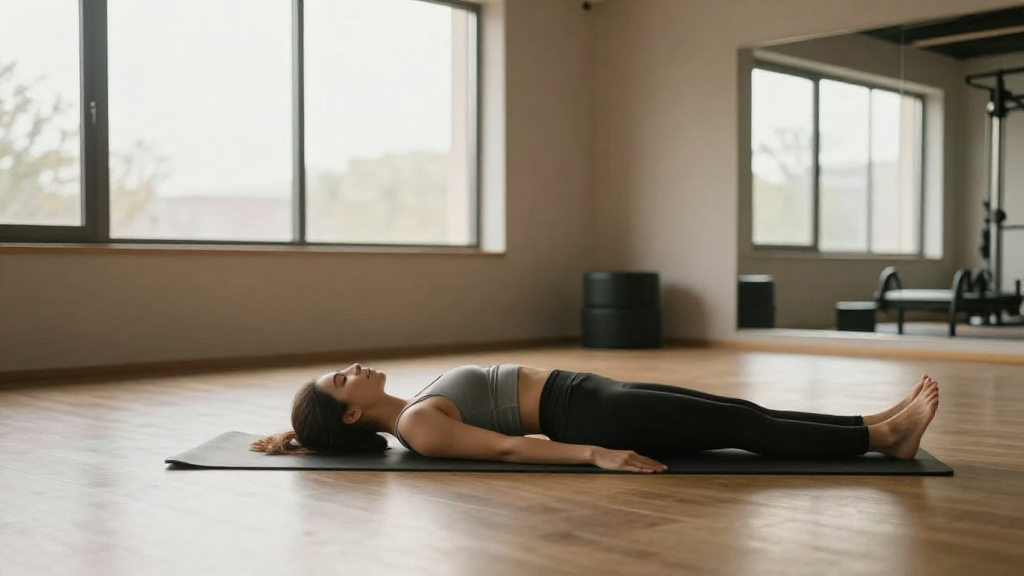
Many fitness enthusiasts wonder, can you truly workout without sore muscles?
While muscle soreness, often referred to as delayed onset muscle soreness (DOMS), is a common experience, it doesn’t have to be an inevitable outcome.
In this article, we will explore whether it’s possible to exercise without feeling sore and discuss various strategies to reduce or avoid that post-workout discomfort entirely.
What Causes Soreness After a Workout?
To understand how to workout without sore muscles, it’s essential to identify what causes soreness in the first place. Soreness can occur for several reasons:
- Microtears in Muscle Fibers: When you challenge your muscles, tiny tears occur within the muscle fibers, leading to soreness as they repair and strengthen.
- Lactic Acid Build-Up: During intense workouts, lactic acid can accumulate in your muscles. While it doesn’t directly cause soreness, it contributes to that burning sensation and fatigue.
- Inflammatory Response: Your body responds to the microtears and stress of a workout with inflammation, which can lead to discomfort.
By comprehending these causes, you can take steps to mitigate soreness and workout without sore muscles.
Can You Really Avoid Soreness Completely?
While it may be challenging to completely avoid soreness, especially as you increase workout intensity or try new exercises, there are techniques that can significantly reduce muscle discomfort.
Here are some strategies you can apply:
-
Warm Up Properly:
Before diving into your workout, engage in a thorough warm-up to prepare your muscles for activity.
This can include dynamic stretching, light cardio, and movements similar to your workout. -
Gradually Increase Intensity:
Avoid jumping into strenuous exercises too quickly.
Gradually upping the weights or intensity allows your muscles to acclimate without harsh repercussions. -
Stay Hydrated:
Proper hydration aids in muscle recovery and function.
Make sure to drink water before, during, and after your workout. -
Cool Down and Stretch:
Post-workout cooling down and stretching can help alleviate soreness.
Focus on static stretches that target the muscles you have worked. -
Incorporate Active Recovery:
Instead of complete rest days, engage in low-intensity activities.
Walking, yoga, or gentle cycling can promote blood flow and help with recovery. -
Listen to Your Body:
Pay attention to how your body responds and adjust your workouts accordingly.
If you feel overly fatigued or any sharp pain, consider scaling back.
What Types of Workouts Are Least Likely to Cause Soreness?
If you are eager to workout without sore muscles, consider focusing on specific types of exercises that are gentler on the body:
-
Low-Intensity Steady State (LISS) Cardio:
Activities like walking, swimming, or cycling at a moderate pace are less likely to induce soreness. -
Bodyweight Exercises:
Movements like push-ups, squats, and lunges can be easily modified and allow your body to adjust gradually without excessive strain. -
Yoga and Pilates:
These workouts emphasize flexibility, balance, and core strength while also promoting relaxation and recovery. -
Resistance Band Training:
Resistance bands offer a controlled form of resistance that can significantly reduce the risk of injury and soreness.
Is Nutrition Crucial for Reducing Soreness?
Absolutely!
Your diet plays a central role in how you feel post-exercise.
Here are key dietary components to consider:
-
Protein:
Necessary for muscle repair and recovery. Consider chicken, fish, legumes, and dairy. -
Antioxidants:
Foods rich in antioxidants, such as berries, nuts, and dark leafy greens, can combat oxidative stress from exercise. -
Electrolytes:
Replenishing potassium, sodium, and magnesium can help with muscle function and hydration. -
Omega-3 Fatty Acids:
Found in fish, flaxseeds, and walnuts, they possess anti-inflammatory properties which can help mitigate soreness. -
Hydration:
Water aids in digestion, nutrient transport, and overall muscle function.
Does Recovery Time Matter?
Yes!
Rest and recovery are essential components of any exercise routine and can significantly influence the extent of soreness you experience.
You can incorporate methods such as:
-
Sleep:
Aim for 7-9 hours of quality sleep to allow your body ample time to recover. -
Rest Days:
Integrate rest days into your weekly plan to prevent overtraining. -
Foam Rolling and Massage:
Using a foam roller or getting regular massages can alleviate muscle tightness and improve blood flow.
Should You Embrace Soreness?
While many individuals want to workout without sore muscles, some experts argue that a mild level of soreness can indicate progress.
Muscle soreness can signify that you’re pushing your limits and challenging your body, leading to improved strength and endurance.
However, it’s critical to distinguish between normal muscle discomfort and pain that signals injury.
Here are a few guidelines:
-
Mild Discomfort is Normal:
A slight soreness might indicate new muscle engagement, which can be beneficial. -
Pain is Not Normal:
If you feel sharp pain or persistent discomfort, it’s best to rest and consult a medical professional.
Conclusion: Finding Your Balance
Can you workout without sore muscles?
Yes, with the right techniques and habits, you can certainly minimize soreness and enhance your workout experience.
Emphasizing gradual progression, proper nutrition, adequate hydration, and appropriate recovery strategies can empower you to enjoy your fitness journey without the burden of soreness.
Stay attuned to your body and remember that while discomfort might sometimes indicate progress, the goal is always to maintain your health and well-being.
In your quest for fitness, embrace the journey and the knowledge you gain along the way!