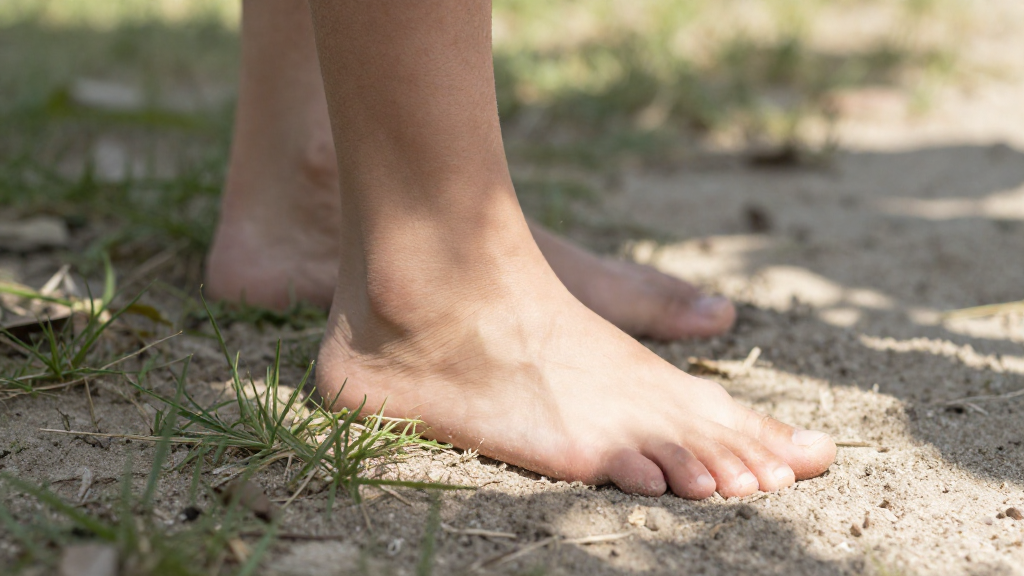
Many fitness enthusiasts wonder, can you workout without shoes?
While some advocate the benefits of going barefoot, there are important factors to consider before leaving your shoes at the door.
What Are the Benefits of Working Out Without Shoes?
Working out without shoes can potentially offer several advantages. While it may not be suitable for everyone, here are some benefits that have been reported by those who practice barefoot training:
-
Improved Balance and Stability
– Barefoot workouts can enhance proprioception, which is your body’s ability to sense its position in space.
– This can lead to improved balance and stability, making you more agile in different physical activities. -
Strengthening Foot Muscles
– Without shoes, the muscles in your feet and lower legs engage more fully.
– This can lead to stronger arches, better flexibility, and enhanced foot mechanics, reducing injury risk. -
Natural Movement
– Training without shoes promotes a more natural range of motion.
– This can improve functional fitness and overall athletic performance. -
Grounding and Connection to Nature
– Many proponents of barefoot workouts advocate for grounding, or “earthing,” where contact with the earth is believed to transfer beneficial electrons to the body.
– This concept is thought to enhance overall well-being and physical vitality.
Are There Risks Associated With Working Out Without Shoes?
While the benefits are attractive, it’s essential to recognize the risks of working out without shoes. Here are some possible concerns:
- Injury Risk:
- When you workout without shoes, you expose your feet to potential injuries from sharp objects, rough surfaces, or uneven terrain.
-
Cuts, bruises, and puncture wounds can occur if you’re not careful.
-
Support Issues:
- Shoes often provide arch support and cushioning.
-
Going barefoot may lead to discomfort or strain, especially for those with existing foot issues.
-
Foot Fungus:
- In gym settings, going barefoot increases your risk of contracting athlete’s foot or other fungal infections.
-
Be mindful of the environment when considering this option.
-
Gradual Transition Necessary:
- If you’re used to wearing supportive shoes, switching to barefoot workouts must be gradual.
- Your feet and lower body need time to adjust to the new demands placed upon them.
What Types of Exercises Are Safe to Perform Barefoot?
Not all workouts are suitable for going shoeless. Here are some safe exercise options where you might workout without shoes:
-
Bodyweight Exercises
– Squats, lunges, and push-ups can be performed barefoot, improving your connection with the ground.
– Focus on proper form to avoid injuries. -
Yoga and Pilates
– Both practices encourage grounding and stability.
– Performing them sans shoes allows for a deeper connection with the mat and better alignment. -
Dance and Zumba
– These invigorating workouts often involve a lot of movement and rhythm.
– Being barefoot can enhance your ability to feel the beat and thoroughly connect with your movements. -
Walking and Hiking (on suitable surfaces)
– If you’re on soft grass or safe paths, walking or hiking without shoes can be refreshing.
– However, stay cautious of rocky or uneven terrain. -
Swimming
– Although it isn’t typical “working out,” being barefoot is essential by the pool or beach.
– The water provides natural resistance, contributing to a fantastic workout.
How Can You Transition to Working Out Without Shoes?
If you’re considering making the switch, here are some tips to help you safely workout without shoes:
- Start Slowly
- Begin with short durations to give your feet time to adapt.
-
Gradually increase the time spent barefoot as your comfort and strength improve.
-
Choose the Right Surface
- Begin on soft, even surfaces such as grass, carpets, or padded flooring.
-
Avoid harsh, uneven, or abrasive surfaces until you’re comfortable.
-
Listen to Your Body
- Pay attention to any pain or discomfort.
-
If something doesn’t feel right, take a step back and allow your body to recuperate.
-
Engage in Foot Strengthening Exercises
- Incorporate exercises that specifically target foot and calf muscles.
-
Examples include toe raises, heel raises, and foot stretches.
-
Consider Minimalist Footwear
- If you’re not ready to go entirely barefoot, try minimalist shoes that provide foot protection while maintaining a natural feel.
- These shoes can serve as an intermediary step.
What Should You Consider Before Choosing to Workout Without Shoes?
Before deciding to workout without shoes, consider the following:
- Current Foot Health:
- Evaluate your foot health and any existing conditions.
-
Consult with a healthcare professional or a podiatrist if you have concerns.
-
Workout Environment:
- Is the area safe and clean?
-
Avoid locations where sharp objects or hazardous conditions may pose a risk.
-
Type of Workout:
- Understand whether the chosen workout is appropriate for barefoot training.
-
Activities that involve high-impact or quick direction changes may need a different approach.
-
Personal Preference:
- If you enjoy the sensation of going barefoot and feel comfortable, it may enhance your workout experience.
- However, if you feel unsafe or uncomfortable, shoes may be your best option.
Conclusion: Should You Workout Without Shoes?
In conclusion, whether you can workout without shoes comes down to personal preference, safety, and the specifics of your workout routine.
Barefoot workouts can offer benefits like improved balance and strength in foot muscles but also come with risks, especially for those who are not accustomed to it.
If you’re considering making the switch, take a gradual approach to ensure you adapt properly. Listen to your body and assess your environment to make the best decision for your fitness journey.
Ultimately, the choice is yours—just ensure it aligns with your personal comfort and safety.
Can you workout without shoes? Yes! But make an informed decision that considers all factors involved.