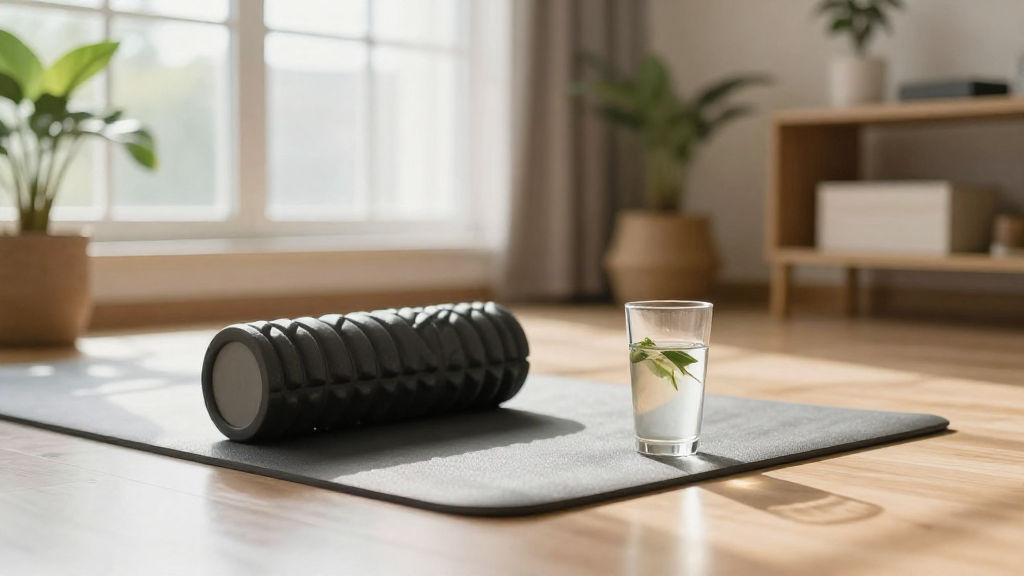
After an intense workout, knowing the right workout recovery tips can make all the difference.
Proper recovery can enhance performance, prevent injuries, and ensure you’re ready for the next session.
This article outlines the top workout recovery tips that athletes and fitness enthusiasts should incorporate into their routine.
Why Is Recovery Important?
Recovery is crucial for physical progress.
When you exercise, you create small tears in your muscle fibers.
It’s during the recovery phase that the muscles repair, grow stronger, and adapt to increased demands.
By understanding and applying effective workout recovery tips, you can:
- Enhance Muscle Repair: Support body repair mechanisms.
- Boost Performance: Enable better outcomes in future workouts.
- Prevent Injury: Reduce the risk of overtraining and physical strain.
When Should You Start Recovery?
Immediately after your workout is the best time to begin your recovery process.
Workout recovery tips should be enacted without delay.
Incorporating immediate actions can significantly impact your overall effectiveness.
Here are some actionable tips to implement right after exercising:
1. Hydrate Yourself
Why is hydration important?
Dehydration can hinder performance and prolong recovery.
After working out, it’s vital to replenish lost fluids.
Tip:
- Consume water or an electrolyte drink within 30 minutes post-exercise.
- Aim for 500ml-1 liter of fluid per hour of intense exercise.
2. Focus on Nutrition
What should you eat after your workout?
Nutrition plays a significant role in effective recovery.
You need to restore energy levels and support muscle repair.
Key nutrients to focus on include:
- Protein: Helps repair and build muscle. Sources include chicken, fish, tofu, and legumes.
- Carbohydrates: Replenishes glycogen stores. Choose whole grains, fruits, and vegetables.
- Healthy Fats: Supports overall health. Consider avocados, nuts, and seeds.
Tip:
- Aim to consume a balanced meal or snack within 60 minutes post-exercise.
3. Stretch & Cool Down
How does stretching help?
Cooling down gradually lowers your heart rate and helps prevent stiffness.
Incorporate these stretches:
- Static stretches targeting major muscle groups.
- Hold each stretch for 15-30 seconds.
Tip:
- Try yoga or Pilates sessions once a week to enhance flexibility.
What Are Other Effective Recovery Strategies?
Incorporating additional recovery strategies enhances your overall fitness journey.
Here are some of the most beneficial workout recovery tips to consider:
4. Get Plenty of Sleep
Why is sleep crucial?
During sleep, your body undergoes complex repair processes.
Aim for 7-9 hours of quality sleep each night to support muscle growth and recovery.
Tip:
- Create a sleep-friendly environment by minimizing light and noise.
5. Use Foam Rollers
What are foam rollers good for?
Foam rolling helps relieve muscle tension and improve circulation.
This technique is known as self-myofascial release.
Tip:
- Dedicate 10-15 minutes post-workout to roll out tension in major muscle groups.
6. Consider Active Recovery
What is active recovery?
Active recovery involves low-intensity exercises that promote blood flow.
This helps reduce muscle soreness and stiffness.
Examples include:
- Gentle walking
- Cycling at a moderate pace
- Swimming
Tip:
- Include an active recovery day after intense workout sessions, such as weight training or high-intensity cardio.
7. Incorporate Massage Therapy
Why consider massage?
Massage not only feels great but also helps reduce muscle soreness.
Seek professional massage therapy or invest in a massage gun for self-use.
Tip:
- Schedule a massage once a month as part of your overall recovery routine.
How Do I Gauge My Recovery?
How can you tell if you’re recovering well?
Monitoring your body’s responses can help you gauge recovery efficiency.
Consider these signs:
- Decreased Muscle Soreness: Indicates your body is healing.
- Improved Performance: A boost in strength and endurance during workouts.
- Stable Energy Levels: Consistent energy (not fatigue) throughout the day.
8. Listen to Your Body
What should you pay attention to?
Being attuned to your body’s signals is critical for effective recovery.
Signs you may need extra recovery include:
- Persistent fatigue
- Increased soreness
- Lack of motivation to exercise
Tip:
- If you experience these symptoms, consider taking an extra rest day.
What Role Do Supplements Play?
Are supplements necessary for recovery?
A balanced diet should ideally cover your nutrient requirements.
However, specific workout recovery tips include considering supplements.
Here are popular options:
- Protein Powder: Supports muscle rebuilding.
- Omega-3 Fatty Acids: May help reduce inflammation.
- BCAAs (Branched-Chain Amino Acids): Can prevent muscle breakdown.
Tip:
- Consult with a healthcare professional before starting any new supplement regimen.
Conclusion: Which Workout Recovery Tips Will You Try?
Incorporating effective workout recovery tips can lead to substantial improvements in your fitness journey.
Whether you’re a casual gym-goer or a competitive athlete, prioritize recovery.
From nutrition and hydration to sleep and massage therapy, every aspect contributes to your overall success.
By following the tips mentioned in this article, you can enhance your workout recovery, reduce the risk of injury, and set yourself up for future fitness victories.
What recovery strategies will you implement in your routine? Start today and experience the benefits!