Tracking your workout progress is essential for achieving your fitness goals.
Understanding how your body evolves over time can motivate you and fine-tune your regimen.
In this article, we will explore several ways of effectively engaging in workout progress tracking so that you can gain insights about your improvement and adjust your routine accordingly.
What is Workout Progress Tracking?
Workout progress tracking refers to the systematic method of recording various aspects of your exercise routines.
- Measurements: This includes weight, body fat percentage, and muscle mass.
- Performance Metrics: Such as lifting weights, running times, and repetitions.
- Workout Consistency: Tracking the frequency and duration of your workouts.
By using these metrics, you will be able to quantitatively assess how your body is changing and how effective your training plan is.
Why is Workout Progress Tracking Important?
Understanding why workout progress tracking is beneficial can aid your commitment to fitness.
Here are some compelling reasons:
- Motivation: Seeing your progress visually can drive you to push harder.
- Goal Setting: It aids in defining realistic fitness goals while celebrating milestones.
- Adjustments: If you’re not seeing progress, you can tweak your regimen to be more effective.
- Accountability: Keeping a log makes you accountable to your plan.
When you put time into workout progress tracking, you genuinely get an insider’s view of your body and muscle growth, which is essential for long-term success.
How Can You Track Your Workout Progress?
To make tracking easier, let’s explore several effective methods:
1. Should You Keep a Workout Journal?
Yes, maintaining a workout journal is one of the simplest yet most effective methods for workout progress tracking.
In your journal, include:
- Date & Time of Workout
- Exercises Performed
- Sets and Reps
- Weights Used
- Feelings and Energy Levels
This will help you visualize your growth and recognize patterns over time.
2. Can Technology Aid Your Tracking?
Absolutely! Technology can provide a more efficient means of workout progress tracking.
Here are some popular options:
- Fitness Apps: Many apps let you log workouts, set goals, and monitor your progress in real-time.
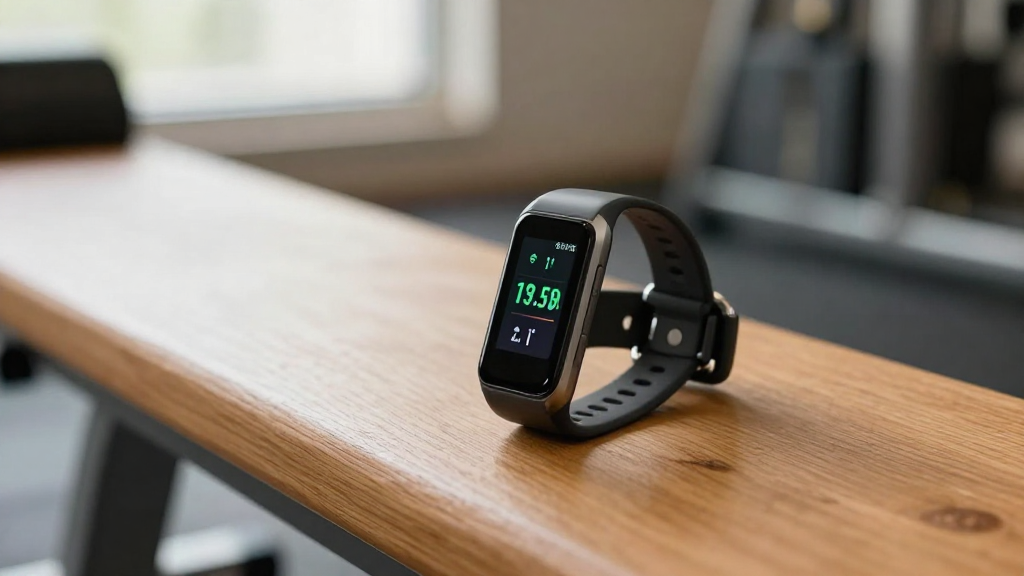
- Wearable Devices: Fitness trackers can monitor your heart rate, distance, and calories burned, making it easier to observe trends in your workouts.
- Online Spreadsheets: Google Sheets or Excel can be employed for personalized tracking, allowing for flexibility and advanced calculations.
Using technology can not only make your tracking easier but also allow for quick adjustments based on data trends.
3. How Often Should You Assess Your Progress?
Frequent assessments are crucial in effectively keeping track of your workout progress.
Consider these timeframes:
- Weekly Assessments: Great for tracking short-term goals and getting immediate feedback on your workout plan.
- Monthly Check-ins: Useful for reviewing larger shifts in muscle growth and overall fitness levels.
- Quarterly Evaluations: Helps in setting long-term milestones and deciding whether any foundational changes to your strategy are needed.
Regular assessments help in identifying areas of consistency and those requiring more focus, driving better results.
What Should You Measure in Your Workouts?
To get the best insights, you need to focus on the right measurements:
1. Body Measurements
Track:
- Weight
- Circumference Measurements (waist, hips, arms, and thighs)
- Body Fat Percentage
These metrics can give a broader picture of how your body is evolving.
2. Performance Improvements
Focus on:
- Strength Gains: Track the maximum weight you can lift on key exercises like squats, deadlifts, and bench presses.
- Endurance Levels: Analyze how quickly you can run certain distances or how long you can maintain a workout.
- Repetition Counts: Record how many times you can lift a certain weight as you progress.
This data gives you concrete evidence of your development.
How Can You Stay Consistent with Your Tracking?
Workout progress tracking requires consistent effort, but staying on top of this can be made easier through some strategies:
- Set Reminders: Use your phone to remind you to log your workouts.
- Establish a Routine: Integrate tracking as part of your post-workout process so it becomes a habit.
- Reward Yourself: Celebrate small wins to maintain motivation.
By creating a seamless tracking routine, you can ensure that you are regularly evaluating your workouts.
What Tools Can Facilitate Your Tracking?
Choosing the right tools can make a difference in your journey:
- Smartphone Applications: Tools like MyFitnessPal or Fitbit can make tracking easier and more visual.
- Whiteboards: For a quick visual assessment, you can jot down your numbers on a whiteboard at home.
- Fitness Trackers: Devices that automatically track different metrics based on your activities can help streamline the process.
Utilizing these tools can provide greater insights into your workout progress.
How to Interpret Your Data?
Finally, knowing how to read the information you’ve tracked is key to making informed decisions.
- Look for Trends: Are you consistently lifting heavier weights over time? Or are you maintaining a steady pace in your runs?
- Identify Plateaus: If your progress stalls, it may be time to change up your routine.
- Adjust Your Goals: If you are surpassing your targets consistently, consider raising the bar!
By effectively interpreting your workout data, you can set yourself up for long-term success in your fitness journey.
Conclusion: Is Workout Progress Tracking Essential for You?
In summary, workout progress tracking is not merely beneficial but fundamentally essential for anyone serious about their fitness journey.
From maintaining a journal to utilizing technology, tracking your progress can significantly enhance your understanding of your body’s capabilities and improvements.
Through consistent measurements and evaluations, you will not only see tangible results but also motivate yourself continuously to strive for more.
It’s time to put the tools into action and embark on your fitness journey with purpose and clarity.
Whether you’re a beginner or an experienced athlete, embracing workout progress tracking will ensure you stay engaged and accountable on your path to fitness success.