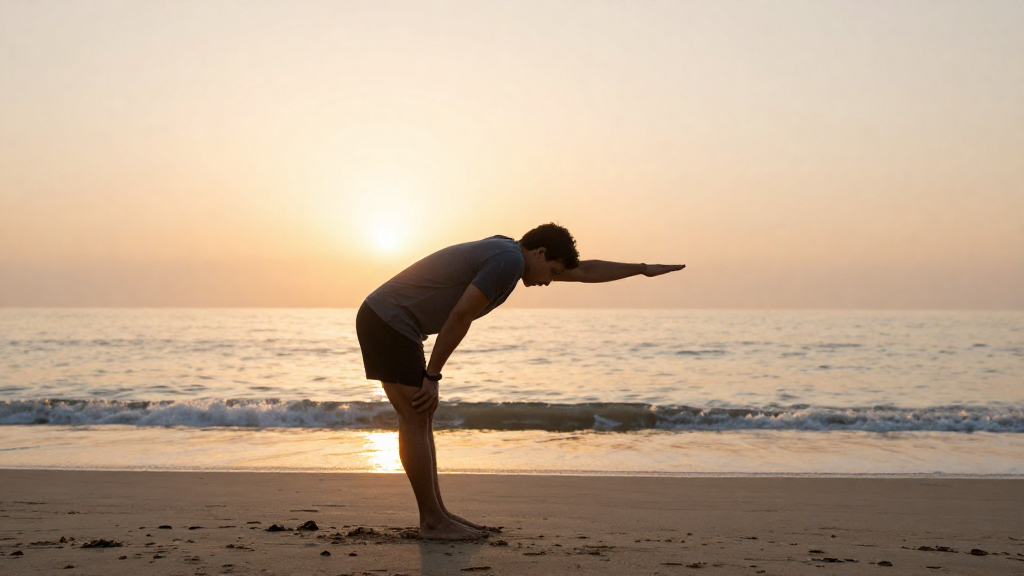
Whether you’re heading to a morning exercise class or you’re a die-hard gym-goer, you might be wondering if it’s a good idea to workout on an empty stomach.
Many fitness enthusiasts debate this topic, and the answer can vary based on several factors.
In this article, we’ll explore the benefits, drawbacks, and best practices to consider when deciding to exercise without eating beforehand.
What Are the Benefits of Working Out on an Empty Stomach?
Exercising while fasting may come with several perks. Here are the primary benefits that attract people to this approach:
-
Increased Fat Burning:
– Research suggests that working out on an empty stomach can increase the percentage of fat burned during exercise.
– When glycogen stores are low, the body may tap into fat reserves for energy. -
Improved Insulin Sensitivity:
– Fasted exercise can help improve insulin sensitivity, which is crucial for athletes and those managing their weight.
– Enhanced insulin sensitivity allows for better nutrient absorption post-workout. -
Mental Clarity and Focus:
– Many report feeling more mentally clear and focused when they exercise in a fasted state, especially during morning workouts.
– This mental edge can be attributed to the increased production of norepinephrine, a hormone that helps with concentration. -
Hormonal Benefits:
– Fasting prior to exercise can lead to elevated levels of human growth hormone (HGH), which aids in muscle growth and fat loss. -
Time-Efficient:
– If you’re pressed for time in the mornings, working out on an empty stomach allows you to skip breakfast and still get your training in.
Are There Drawbacks to Working Out on an Empty Stomach?
While there are benefits, there are also potential drawbacks to consider before deciding to workout on an empty stomach:
-
Reduced Performance:
– For some, exercising without fuel can lead to decreased performance.
– Strength and endurance might suffer as your body lacks readily available energy. -
Muscle Catabolism:
– Exercising in a fasted state could potentially lead to muscle breakdown.
– The body may convert amino acids from muscle tissue into glucose for energy. -
Increased Hunger:
– Many athletes find that working out on an empty stomach results in larger appetites later in the day.
– This may lead to overeating or poor food choices. -
Possible Dizziness or Fatigue:
– Some individuals may experience dizziness or fatigue during fasted workouts.
– Low blood sugar levels can make enduring intense training difficult. -
Not Ideal for Everyone:
– Pregnant women, individuals with metabolic disorders, or those with chronic fatigue may find working out without eating harmful.
Who Should Consider Working Out on an Empty Stomach?
Not everyone should workout on an empty stomach, but certain individuals may benefit from it more than others:
- Experienced Athletes:
-
Those who are already tuned into their bodies and understand how to manage energy levels may find fasted workouts beneficial.
-
Individuals Targeting Weight Loss:
-
People looking to shed pounds may use fasted workouts as part of a comprehensive weight loss strategy.
-
Early Risers:
-
If you prefer working out as soon as you wake up, fasted exercise might fit into your schedule better.
-
Those Seeking Mental Clarity:
- If you’ve noticed an increase in focus and clarity during fasted workouts, this may be a useful technique for you.
Who Should Avoid Working Out on an Empty Stomach?
Conversely, certain individuals might want to stay clear of fasted workouts:
- Newer Exercisers:
-
If you’re just getting into a workout routine, it’s best to start with a meal beforehand to provide the energy needed.
-
High-Intensity Trainers:
-
Those regularly undergoing high-volume or high-intensity workouts may require proper nutrition for optimal performance.
-
Individuals Prone to Dizziness:
-
If you often feel lightheaded when skipping meals, it’s advisable to eat something before exercising.
-
Specific Medical Conditions:
- Those with hypoglycemia, eating disorders, or other health issues should consult with a healthcare professional before engaging in fasted workouts.
How Should You Prepare for a Fasted Workout?
If you decide to try working out on an empty stomach, preparation is key:
-
Stay Hydrated:
– Ensure you drink plenty of water before your workout.
– Staying hydrated helps prevent feelings of dizziness. -
Timing Is Everything:
– Schedule your workouts in a way that allows you to maintain consistent energy levels throughout the day.
– Early morning might be ideal for some, while others may prefer later in the day. -
Listen to Your Body:
– Pay attention to signs of fatigue or discomfort.
– If fasting feels detrimental, it might not be the right approach for you. -
Gradually Ease In:
– If you’ve never exercised on an empty stomach, try starting with low-intensity workouts and gradually progress to more intense sessions. -
Post-Workout Nutrition:
– Ensure you refuel adequately after your workout.
– Include a mix of protein and carbohydrates to promote muscle recovery.
What Should You Eat After Working Out on an Empty Stomach?
Post-exercise nutrition plays a crucial role, especially after fasting. Here are some effective options:
- Protein Smoothies:
-
Blend your favorite protein powder with fruits and water or almond milk.
-
Greek Yogurt Parfait:
-
Top Greek yogurt with fresh fruits and a sprinkle of granola.
-
Eggs and Avocado:
-
Scrambled or poached eggs served with sliced avocado on whole grain toast.
-
Nut Butter on Whole-Grain Toast:
-
A quick and delicious source of protein and healthy fats.
-
Overnight Oats:
- Prepare oats with chia seeds, almond milk, and your choice of toppings for a filling meal.
Conclusion: Should You Workout on an Empty Stomach?
Ultimately, whether you should workout on an empty stomach depends on your personal goals, preferences, and how your body responds.
By weighing the benefits against the drawbacks and understanding your individual situation, you can make an informed decision.
Remember to stay hydrated, listen to your body, and prioritize proper post-workout nutrition to ensure your fitness journey remains successful and fulfilling.
If you doubt whether fasted workouts are right for you, consult with a fitness professional or nutritionist for personalized guidance.