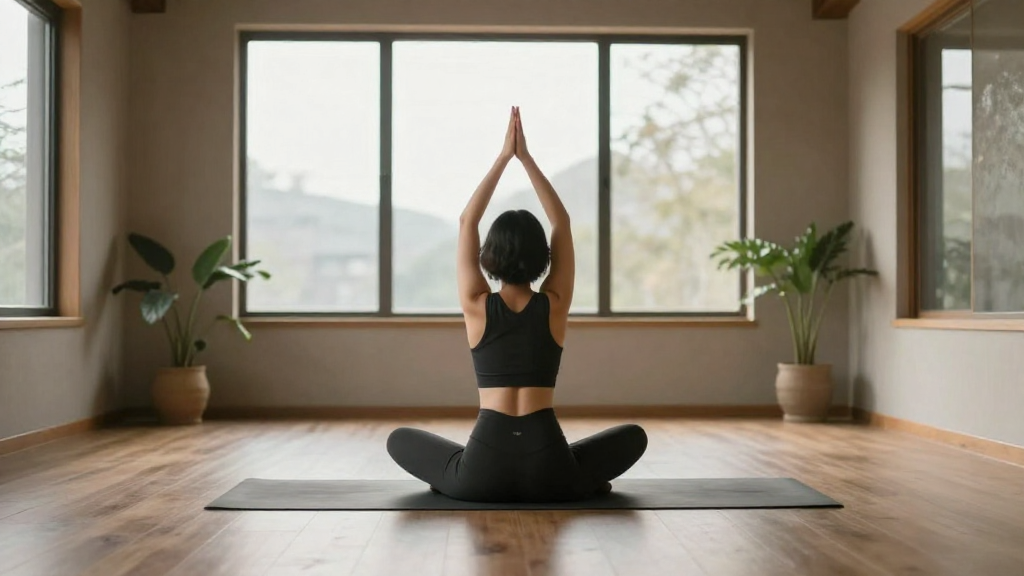
Working out in silence can be a transformative experience for many fitness enthusiasts.
In this article, we will explore the benefits and drawbacks of exercising without the noise and stimulation of music, podcasts, or chatter.
What Does It Mean to Work Out in Silence?
To work out in silence means engaging in physical activity without the aid of audio stimulation.
This includes:
- No music
- No podcasts
- No background noise
By removing these distractions, individuals can focus more on their bodies, form, and mental state during workouts.
Why Consider Working Out in Silence?
1. Enhanced Mindfulness
One of the primary benefits of choosing to workout in silence is the ability to enhance mindfulness.
This practice encourages you to:
- Tune into your body
- Focus on your breath
- Observe muscle movements
When removing external distractions, many find they can achieve a deeper connection with themselves.
2. Improved Focus and Concentration
When exercising in silence, your mind can hone in on your workouts.
This leads to:
- Better technique
- Increased performance
- Heightened concentration
By eliminating the background noise, you may find it easier to concentrate on your goals.
3. A Break from Stimulus Overload
In today’s fast-paced world, we are constantly bombarded by stimuli.
Choosing to work out in silence offers:
- A break from mental clutter
- A chance to relax the senses
This reprieve may not only rejuvenate your mind but also elevate your workout experience.
4. Opportunity for Reflection
Silence during workouts can provide an excellent opportunity to reflect.
Many individuals find that during these moments, they are:
- More in tune with their thoughts
- Better able to set intentions for future workouts
Taking the time to reflect on your fitness journey may lead to invaluable insights.
Are There Drawbacks to Working Out in Silence?
1. Lack of Motivation
For some individuals, music fuels motivation.
Exercising without any background audio might lead to:
- A lack of urgency
- Possibly feeling sluggish
If you usually draw energy from your gym playlist, you might find workouts less engaging in silence.
2. Reduced Enjoyment
Some people genuinely enjoy the experience of their favorite songs while they work out.
Without the upbeat rhythms, exercising could feel:
- Less exciting
- More monotonous
It’s essential to consider whether enjoyment is a crucial part of your workout routine.
3. Potential for Loneliness
Exercising in silence can sometimes feel isolating.
Especially during group workouts or classes, silence may create a sense of:
- Disconnection
- Loneliness
For social individuals, the camaraderie of peers may be missed in the absence of conversation or music.
How Can You Approach Working Out in Silence?
1. Start Small
If you’re new to exercising in silence, try it incrementally.
You could begin with:
- 5 to 10 minutes of silence in your workout
- Gradually increasing this duration as you adapt
2. Alternate Between Silence and Music
You don’t have to commit entirely to working out in silence.
Instead, consider alternating between:
- Silent intervals
- Music-driven sessions
This compromise allows you to explore silence while still enjoying the audio stimulation when desired.
3. Use Specific Silent Workouts
There are workouts designed specifically for silent training.
Some practices that work well in silence include:
- Yoga
- Pilates
- Meditation-inspired workouts
These activities naturally promote focus and mindfulness without distractions.
What Can You Learn From Working Out in Silence?
1. Listening to Your Body
When you choose to work out in silence, you may become more attuned to your body’s signals.
This could lead to:
- Deeper understanding of your limits
- Better response to fatigue or injury
Learning to listen to your body offers invaluable feedback for future training.
2. Building Mental Resilience
Silence can be an excellent teacher of mental toughness.
Working out without music pushes you to:
- Face discomfort
- Stay focused on your goals
The ability to endure without audio may enhance your resilience in the face of challenges.
3. The Power of the Breath
In a silent workout, your breath can become a focal point.
Learning to synchronize your breath with your movements can:
- Enhance performance
- Cultivate mindfulness
As you become more aware of your breathing patterns, you may notice an improvement in overall workout quality.
Conclusion: Should You Try Working Out in Silence?
Ultimately, the decision to work out in silence boils down to personal preference.
Consider the benefits of enhanced mindfulness and focus along with the drawbacks of potential boredom or disconnection.
Try experimenting with different approaches:
- A hybrid of silence and music
- Dedicated silent workouts
By assessing how silence impacts your workouts, you may uncover new dimensions of your fitness journey that can lead to growth and fulfillment.
So, are you ready to embrace the power of silence in your workouts?