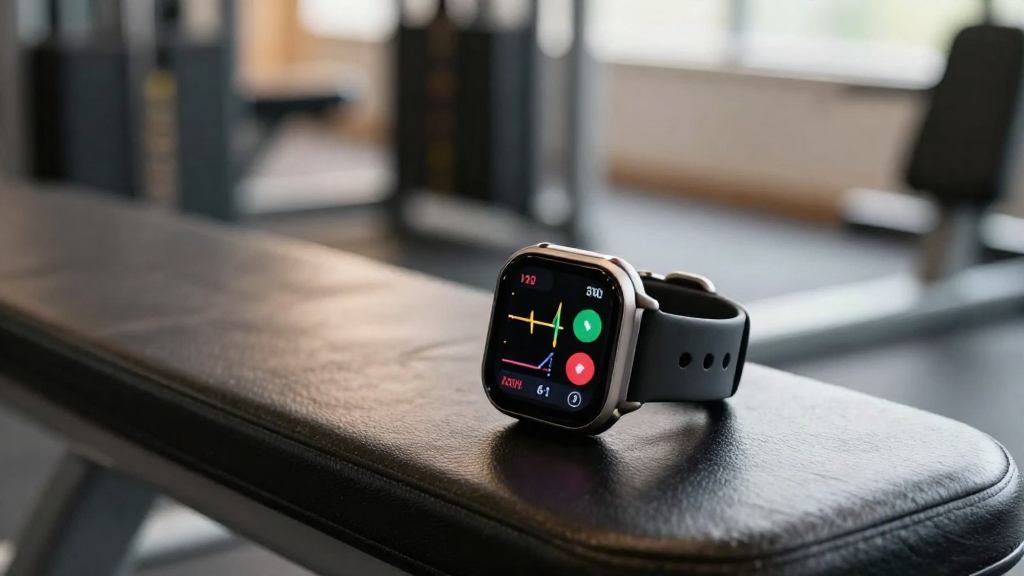
Understanding workout heart rate zones is crucial for optimizing your fitness regimen.
These zones help you target specific energy systems and improve your overall performance.
What Are Workout Heart Rate Zones?
Workout heart rate zones are specific ranges of heart rates that correspond to various levels of exercise intensity.
Each zone has its benefits and targets different energy systems. Below are the main heart rate zones to be aware of:
-
Resting Zone (50-60% of max HR)
– Ideal for warm-ups and recovery.
– Helps improve overall cardiovascular health. -
Fat Burn Zone (60-70% of max HR)
– Great for weight loss.
– Maximizes fat oxidation and is often used for longer, moderate exercises. -
Cardio Zone (70-80% of max HR)
– Best for improving cardiovascular fitness.
– Suitable for higher intensity workouts where endurance is built. -
Anaerobic Zone (80-90% of max HR)
– Increases speed and power.
– Includes short bursts of high-intensity efforts, excellent for metabolic conditioning. -
Red Line Zone (90-100% of max HR)
– Reserved for peak performance.
– Not sustainable for long durations but great for short intervals.
Understanding these zones allows you to tailor your workouts effectively.
How Do You Calculate Your Max Heart Rate?
To use workout heart rate zones effectively, you first need to determine your maximum heart rate (MHR).
A common method is the following formula:
- MHR = 220 – your age
For example, if you are 30 years old:
- MHR = 220 – 30 = 190 beats per minute (BPM)
Once you have your MHR, you can easily find your heart rate zones by calculating the percentages outlined previously.
Why Are Heart Rate Zones Important for Your Workouts?
Incorporating workout heart rate zones into your training strategy has several advantages:
-
Targeted Energy Systems: Focuses effectively on what you want to improve, whether it’s fat loss, endurance, or power.
-
Prevents Overtraining: Helps you recognize when you’re pushing too hard, reducing injury risk.
-
Customized Workouts: Allows for tailored sessions that fit your personal fitness goals.
-
Measurable Progress: Offers tangible metrics for improvement in your cardio fitness over time.
How Can You Monitor Your Heart Rate During Workouts?
Monitoring your heart rate is essential for staying within your desired workout heart rate zones. Here are some effective methods:
-
Wearable Technology:
– Fitness trackers and smartwatches can monitor your heart rate in real time.
– Many devices can alert you when you enter or leave a specific zone. -
Chest Strap Monitors:
– These devices provide accurate heart rate readings and can often sync with fitness apps for detailed analysis. -
Manual Monitoring:
– You can take your heart rate manually by checking your pulse for 15 seconds and multiplying by four.
– This method is less convenient but can work in a pinch.
What Are Some Effective Workouts to Utilize Heart Rate Zones?
To better illustrate how workout heart rate zones can be applied, here are some effective workout strategies:
1. Interval Training
- Description: Alternates between high-intensity bursts and recovery periods.
- How to Use:
- Warm up for 5-10 minutes in the Fat Burn Zone.
- Increase intensity to the Anaerobic Zone for 30 seconds to 1 minute.
- Follow with 1-2 minutes of Active Recovery in the Fat Burn Zone.
2. Steady-State Cardio
- Description: Maintains a consistent pace throughout the workout.
- How to Use:
- Start in the Fat Burn Zone and maintain your heart rate for 20-60 minutes.
3. Circuit Training
- Description: Combines strength and cardio exercises.
- How to Use:
- Include high-rep weightlifting followed by short bursts of cardio at 70-80% of your MHR.
4. Long-Distance Runs
- Description: Focuses on endurance development.
- How to Use:
- Start in the Fat Burn Zone and gradually increase to the Cardio Zone for portions of the run.
How Do You Adjust Your Heart Rate Zones?
As you progress in your fitness journey, it’s essential to reevaluate your workout heart rate zones.
Here are a few tips for adjusting them:
-
Regularly Reassess Your Fitness:
– Every 8-12 weeks, retest your MHR to ensure your zones are accurate. -
Listen to Your Body:
– If workouts feel easier or harder over time, adjust your target zones accordingly. -
Record Your Workouts:
– Keeping a workout log can help you track improvements in heart rates over time and adjust zones as needed.
Conclusion: Are You Ready to Optimize Your Workouts with Heart Rate Zones?
Using workout heart rate zones effectively can transform your exercise routine.
By understanding and monitoring your heart rate during workouts, you can ensure that you’re gaining the most from every session.
Whether you’re aiming for fat loss, endurance, or performance, knowing how to use heart rate zones can guide your journey.
Start incorporating heart rate training today and watch your fitness improve in exciting ways!
Remember: Always consult a healthcare provider before starting any new fitness program, especially if you have any underlying health conditions.
Embrace the knowledge of heart rate zones and step up your workout game!