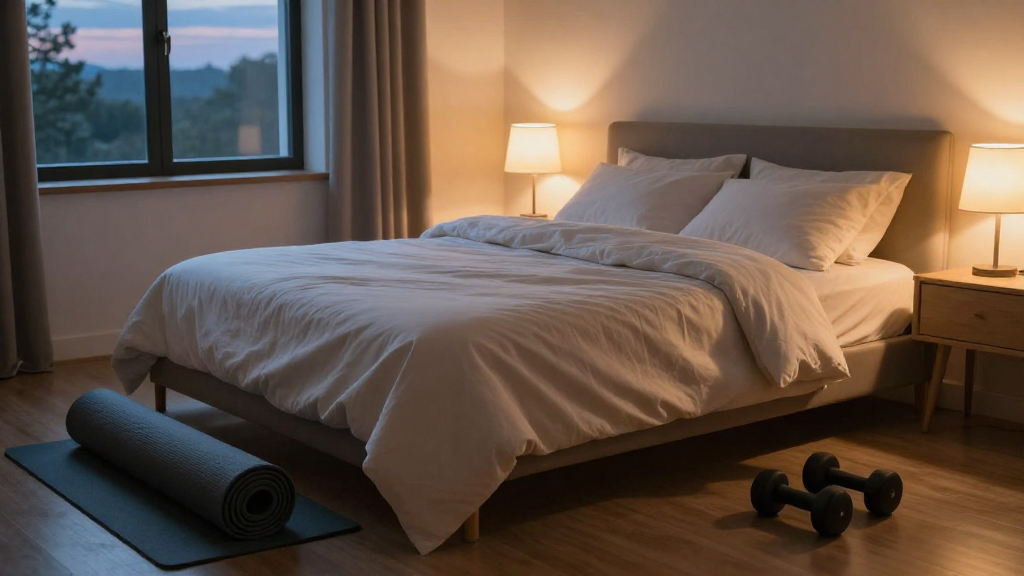
Many people ask, “Can workout help you sleep faster and better?”
The answer is a resounding yes! Engaging in regular physical activity can significantly enhance your sleep quality and help you drift off more quickly at night.
In this article, we will explore how workout for sleep improvement can transform your nighttime routine, what type of exercises are most effective, and tips for incorporating them into your daily life.
How Does Exercise Improve Sleep Quality?
Understanding how exercise contributes to better sleep involves digging into the physiological and psychological effects of workout for sleep improvement.
1. What Happens to Your Body When You Exercise?
When you engage in physical activity:
- Endorphins are released, which can improve your mood and alleviate feelings of stress and anxiety.
- Your body temperature rises, and upon cooling down after exercise, your body naturally prepares for sleep.
- Regular workouts help to regulate your circadian rhythms, the internal clock that governs your sleep-wake cycle.
2. Can Workouts Help Alleviate Sleep Disorders?
Research has shown that individuals suffering from:
- Insomnia
- Sleep Apnea
- Restless Leg Syndrome
Can find relief through structured exercise programs.
3. How Much Exercise is Necessary for Sleep Improvement?
Most healthcare professionals recommend:
- At least 150 minutes of moderate aerobic activity per week, which can be broken down into manageable sessions.
- This can be a combination of different activities, such as brisk walking, jogging, cycling, or swimming.
What Type of Workouts are Best for Sleep?
When considering a workout for sleep improvement, not all exercises are created equal.
Here’s a breakdown of effective workout types that can enhance your sleep quality:
1. Aerobic Workouts
Aerobic or cardiovascular exercises include:
- Running
- Swimming
- Cycling
These workouts increase your heart rate and help relieve tension in your body, promoting more restorative sleep.
2. Strength Training Exercises
Incorporating strength training can also be beneficial. Focus on:
- Weight lifting
- Bodyweight exercises
Muscle repair and growth during sleep is essential, and strength training can promote deeper sleep cycles.
3. Yoga and Stretching
Yoga is an excellent choice for improving sleep because:
- It combines physical movement with mindfulness.
- Specific poses can relax tense muscles and calm the mind.
Practicing yoga before bed can help create a strong association between these movements and sleep.
4. High-Intensity Intervals
Short bursts of high-intensity workouts can have a significant impact on sleep quality.
Consider activities like:
- HIIT workouts
- Sprint intervals
However, see to it that you finish these workouts a few hours before bedtime, as they can temporarily energize you.
What Time is Best to Work Out for Better Sleep?
Timing can significantly impact the effectiveness of your workout for sleep improvement.
1. Morning Workouts
Exercising in the morning can boost energy levels throughout the day.
It can also increase the body’s alertness and help develop a consistent routine, setting you up for better sleep.
2. Afternoon Workouts
Exercising in the afternoon can be ideal for those who struggle to wake up early.
This timing also aids in reversing the post-lunch slump some people experience.
3. Evening Workouts
This can be a double-edged sword.
While some people feel energized after evening workouts, others may struggle to unwind.
As a general rule, aim to finish high-energy workouts at least 2-3 hours before bedtime.
Can You Overdo It?
With any regimen, moderation is key.
1. Avoiding Excessive Workouts
While exercise has numerous benefits for sleep, excessive workouts can lead to:
- Fatigue
- Increased Anxiety
- Sleep disruptions
2. Listening to Your Body
It’s crucial to listen to your body’s cues. If you find you’re feeling unusually tired or restless:
- Consider reducing the intensity of your workouts.
- Incorporate more rest days into your routine.
Other Factors That Impact Sleep
While a workout for sleep improvement is essential, several other factors can contribute to sleep quality:
1. Sleep Environment
Ensure your bedroom is conducive to sleep by considering the following:
- Light levels: Use blackout curtains to limit light exposure.
- Temperature: Keep the room cool, ideally between 60-67°F (15-19°C).
- Noise: Use white noise machines or earplugs as needed.
2. Your Diet
What you consume can also affect your sleep quality.
To promote better sleep:
- Limit caffeine intake, particularly in the afternoon and evening.
- Avoid heavy meals before bedtime. Instead, opt for light snacks like bananas or oats.
3. Stress Management
Integrating relaxation techniques into your routine can be beneficial.
Practice:
- Meditation
- Deep breathing exercises
These strategies can help calm the mind after a day filled with stressors.
Conclusion: Should You Start a Workout for Sleep Improvement?
To answer the question, “Can workout help you sleep faster and better?” the benefits of engaging in consistent exercise are evident.
From aerobic workouts to yoga, different types of physical activity can contribute significantly to improved sleep quality.
Incorporating a workout for sleep improvement into your daily routine can lead to numerous benefits, including enhanced mood, reduced anxiety, and, most importantly, a better night’s sleep.
Don’t hesitate to explore the various workouts that suit you best, keeping in mind moderation and timing, to unlock the full potential of physical activity for restful sleep.
Make sure to stay consistent and listen to your body’s needs — your best sleep awaits!