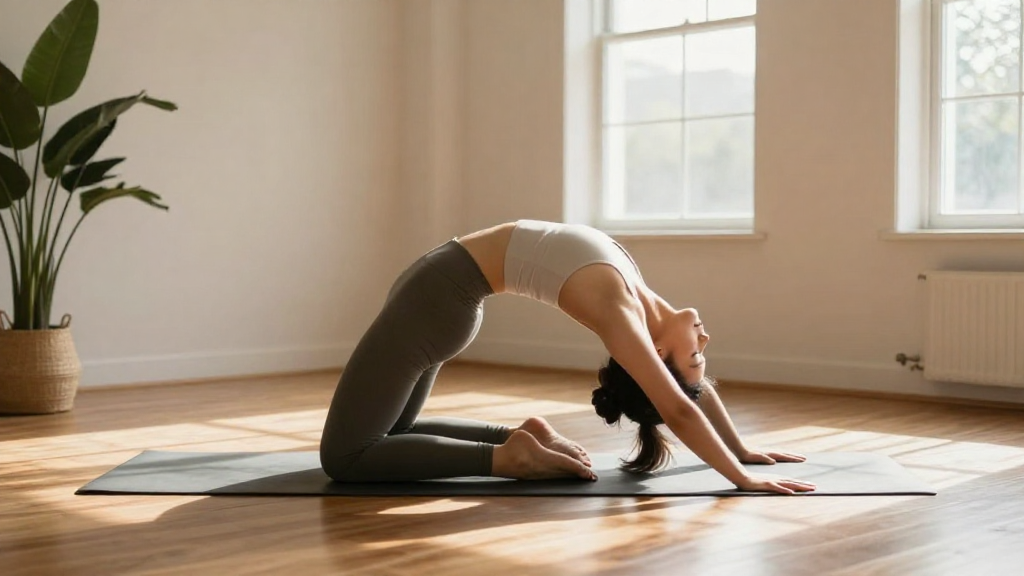
Maintaining good posture is crucial for overall health and well-being. Many people wonder if a workout for posture can really make a difference in correcting poor alignment.
What is Poor Posture?
Poor posture occurs when the body is positioned incorrectly while sitting, standing, or moving. This misalignment can lead to a range of issues, including:
- Muscle imbalances
- Chronic pain (especially in the back, neck, and shoulders)
- Increased risk of injury
- Fatigue
Understanding the causes of poor posture can help you recognize the symptoms and motivate you to seek improvement through an effective workout for posture.
How Can a Workout Improve Posture?
The right workout for posture can significantly contribute to correcting poor alignment. Here are a few ways in which exercise can help:
Strengthening Key Muscle Groups
A well-structured workout plan focuses on strengthening the muscles that directly support good posture. Key muscle groups include:
-
Core Muscles: The core is essential for maintaining stability and proper alignment. Exercises such as planks, bridges, and abdominal crunches help in building a strong core.
-
Back Muscles: Strengthening your back muscles can keep your spine aligned. Incorporate rows, supermans, and lat pull-downs into your routine.
-
Shoulder Muscles: Rounded shoulders are a common symptom of poor posture. Exercises like shoulder retractions and external rotations help strengthen the shoulder girdle.
Stretching Tight Muscles
Along with strengthening, it’s essential to stretch tight muscles that may be pulling the body out of alignment. This includes:
-
Pectoral Muscles: Tight chest muscles can lead to rounded shoulders. Stretch with doorway stretches or wall angels.
-
Hip Flexors: Prolonged sitting can tighten hip flexors, contributing to an anterior pelvic tilt. Perform lunges or hip flexor stretches to alleviate tension.
-
Hamstrings: Tight hamstrings can affect your pelvic alignment. Incorporate forward bends and hamstring stretches to maintain flexibility.
Practicing Body Awareness
A workout for posture also emphasizes body awareness and alignment. Activities like yoga and Pilates focus on:
-
Mindfulness: Being aware of your body during exercise helps reinforce proper alignment.
-
Breathing Techniques: Deep breathing helps to engage core muscles and maintain ribcage expansion, which is vital for good posture.
-
Controlled Movements: Practicing control during workouts can improve balance and stability, reducing the likelihood of slumping or twisting.
Which Workouts are Best for Improving Posture?
When considering a workout for posture, there are various types of exercises you can include. Here are a few effective options:
1. Yoga
Yoga promotes flexibility, strength, and mindfulness, making it an ideal choice for improving posture.
Key poses to consider:
- Mountain Pose: Reinforces the alignment of the spine.
- Downward Dog: Lengthens the spine and stretches the hamstrings.
- Child’s Pose: Provides a gentle stretch for the back and encourages relaxation.
2. Pilates
Pilates focuses on core strength and alignment, making it beneficial in your workout for posture.
Try these exercises:
- The Hundred: Engages the core while promoting spinal alignment.
- Bridge: Strengthens the glutes and lower back while enhancing pelvic alignment.
- Plank: Develops overall core strength, critical for maintaining good posture.
3. Strength Training
Incorporating full-body strength training into your weekly routine can enhance muscle balance.
Consider these:
- Deadlifts: They strengthen the entire back while encouraging proper lifting techniques.
- Rows: Improve upper back strength, reducing the rounding of shoulders.
- Overhead Presses: Develop shoulder stability and core engagement.
4. Stretching and Mobility Routines
Always finish your workout for posture with stretches that target tight areas.
Examples include:
- Cat-Cow Stretch: Provides mobilization for the spine and improves flexibility.
- Seated Forward Bend: Stretches the hamstrings and promotes lower back relaxation.
- Thoracic Extensions: Open up the chest and counteract forward rounding.
How Often Should You Engage in Posture Workouts?
You might wonder how often you should incorporate a workout for posture into your routine.
- Frequency: Aim for at least 2-3 times per week for effective results.
- Duration: Sessions can last anywhere from 30 minutes to an hour, balancing strength and stretching.
- Consistency: Regular engagement is key to improving muscle memory and maintaining good posture long-term.
Are There Additional Benefits of a Workout for Posture?
Yes! In addition to improving posture, engaging in exercises tailored for alignment can also yield other benefits, including:
- Enhanced Breathing: Good posture opens up the airways, improving respiratory efficiency.
- Better Mood: Regular physical activity can elevate mood, reduce stress, and even combat anxiety.
- Increased Energy Levels: Improved alignment and function lead to more efficient movement and less fatigue throughout the day.
Conclusion: Take Steps Towards Better Posture
Can a workout for posture improve poor alignment? Absolutely!
Incorporating strength training, stretching, and mindful practices into your fitness routine can transform your posture and overall well-being.
Remember:
- Address muscle imbalances through a balanced workout.
- Prioritize flexibility to counteract tightness.
- Stay consistent for lasting results.
So what are you waiting for? Start integrating a workout for posture into your routine today and experience the benefits firsthand!