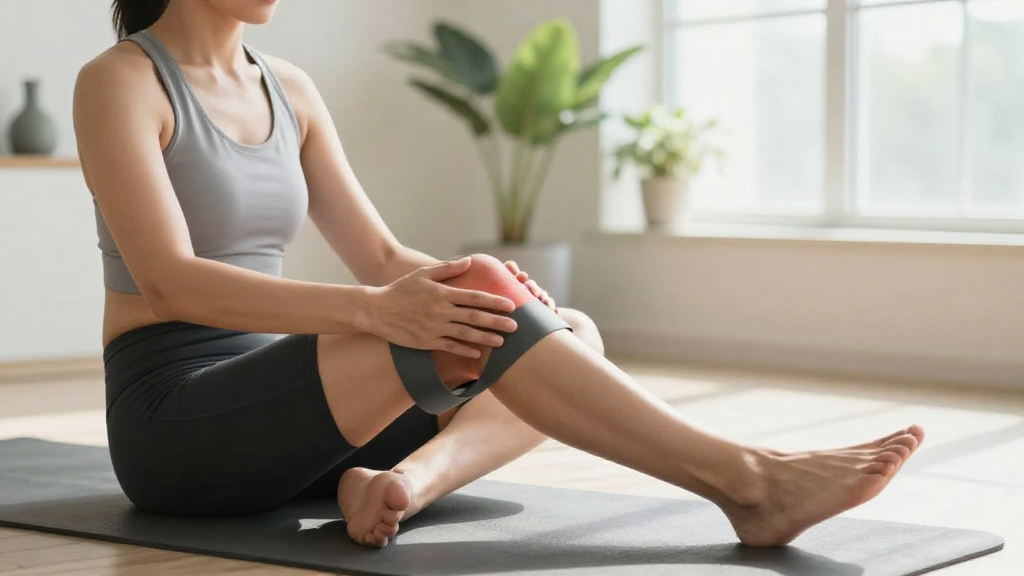
If you’re suffering from knee pain, finding a workout for knee pain can be both challenging and essential to your recovery and overall well-being.
To help you stay active while managing knee discomfort, let’s explore effective strategies to modify workouts for knee pain.
What Are Common Causes of Knee Pain?
Before tailoring a workout for knee pain, it’s crucial to understand what might be causing your discomfort.
Common causes include:
- Arthritis: Inflammation of the joint leading to pain and stiffness.
- Tendonitis: Inflammation of the tendons surrounding the knee.
- Bursitis: Inflammation of small fluid-filled sacs that cushion the knee.
- Injuries: Such as ligament tears or fractures.
Identifying the underlying cause can help you choose the right modifications.
Which Workouts Are Safe for Knee Pain?
When it comes to a workout for knee pain, certain exercises tend to be more knee-friendly.
Here are some safe options:
-
Swimming:
– Provides resistance without impact on the knees.
– Great for cardiovascular health. -
Cycling:
– Low-impact activity that strengthens leg muscles while minimizing stress on the knees.
– Consider stationary cycling for added stability. -
Elliptical Training:
– Offers a smooth motion that doesn’t drastically impact your knees.
– Good for cardiovascular fitness with reduced joint strain. -
Yoga:
– Enhances flexibility and strengthens surrounding muscles.
– Poses can be modified to avoid discomfort. -
Resistance Training:
– Focus on upper body and core exercises, or leg exercises that can be performed seated.
– Consider using resistance bands for added support.
How Can You Adjust Your Current Workout for Knee Pain?
To adapt your current workout for knee pain, consider the following modifications:
1. Focus on Low-Impact Exercises
- Swap high-impact kicks or runs for walking or step-ups.
- Choose exercises that keep one foot on the ground, reducing the jarring effects on the knees.
2. Modify Range of Motion
- Avoid deep squats or lunges.
- Focus on partial movements to maintain strength without inducing pain.
3. Reduce Exercise Intensity
- Lower weights and increase the number of repetitions in strength training.
- Opt for lighter resistance on machines to avoid strain.
4. Incorporate Flexibility and Stretching
- Engage in gentle stretches for the quadriceps, hamstrings, and calves.
- Look for stretching routines specifically designed for knee pain relief.
5. Use Supportive Gear
- Consider knee braces or supportive athletic footwear.
- Use yoga blocks or straps to assist with modifications in circumstances.
What Precautions Should You Take?
When engaging in a workout for knee pain, it’s essential to take some precautions:
- Warm-Up:
- Always start with a gentle warm-up to prepare your knees for activity.
-
Try simple leg swings or light walking to get the blood flowing.
-
Listen to Your Body:
- If an exercise causes pain, stop immediately.
-
Adaptations may need to be made based on how your body reacts.
-
Consult Professionals:
- Work with a physical therapist or personal trainer experienced with knee issues.
- They can help design a personalized plan suited for your needs.
What Should You Avoid During Workouts?
While modifying a workout for knee pain, it’s equally important to know what to avoid to prevent further injury.
Exercises to Avoid
- High-Impact Activities:
-
Such as running, jumping, or any sport that involves sudden impacts.
-
Deep Squats and Lunges:
-
These can place extra strain on your knees.
-
Activities with Twisting Movements:
-
Like certain dance routines or sports that involve pivoting.
-
Seated Positions:
- If you find sitting puts pressure on your knees, modify how you sit or use a cushion.
How Can Lifestyle Changes Support Your Fitness Journey?
In addition to modifying your workouts for knee pain, implementing lifestyle changes can also bolster your recovery and overall fitness routine.
1. Maintain a Healthy Weight
- Extra pounds can increase the burden on your knees.
- A balanced diet and regular low-impact exercise can help with weight management.
2. Stay Consistent but Flexible
- Create a regular workout schedule, but listen to your body and adjust as necessary.
- Consistency is essential, but flexibility ensures you protect your knees.
3. Hydration and Nutrition
- Staying hydrated helps promote overall joint health.
- Consuming anti-inflammatory foods like fish, nuts, and leafy greens can assist in reducing discomfort.
4. Rest and Recovery
- Allow time for your knees and muscles to recover.
- Consider incorporating rest days between intense workouts.
Conclusion: How to Find the Right Workout for Knee Pain?
Finding a suitable workout for knee pain involves understanding your body, modifying exercises, and listening to your symptoms.
By focusing on low-impact activities, making specific adjustments, and adhering to precautionary measures, you can stay active without exacerbating your knee issues.
Remember:
It’s crucial to consult with healthcare professionals when starting any new fitness regimen, especially when knee pain is involved. Focus on exercises that bring you comfort and joy while allowing you to manage knee discomfort effectively.
Stay healthy, stay strong, and thrive on your fitness journey!