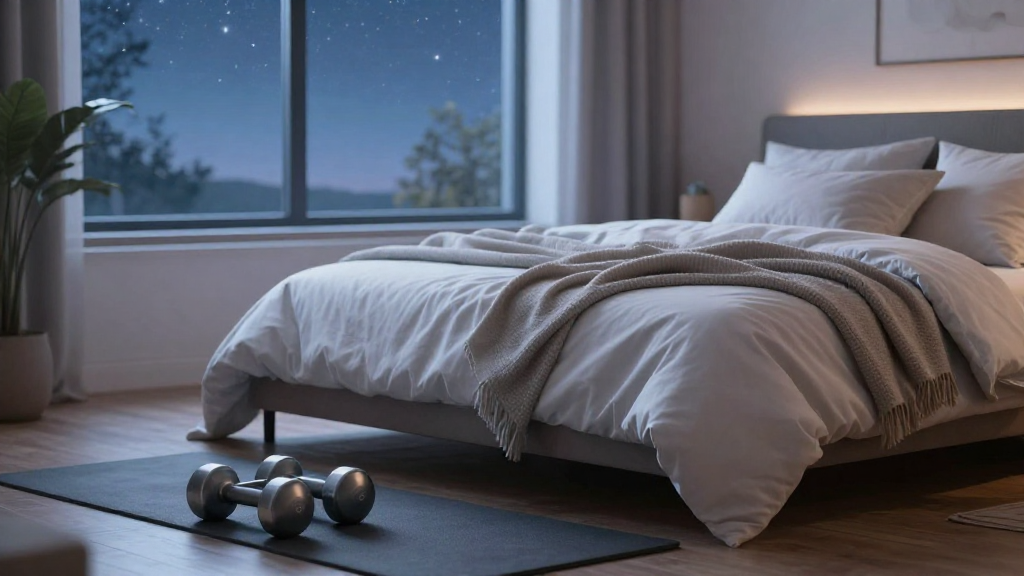
If you’re struggling to get a good night’s sleep, you might wonder, does working out help you sleep better? The simple answer is yes, and there is a wealth of research supporting the connection between physical exercise and improved sleep quality.
How Does Working Out Improve Sleep Quality?
Firstly, let’s explore how a workout for better sleep can positively influence your rest.
-
Promotes Relaxation
– Physical activity helps release endorphins, which can lead to a feeling of relaxation and well-being.
– Post-exercise, your body temperature drops, signaling to your body that it’s time to wind down and prepare for sleep. -
Regulates Sleep Patterns
– Engaging in regular physical activity can help regulate your internal body clock, also known as your circadian rhythm.
– This is critical for ensuring you fall asleep and wake up at regular times, which is vital for overall sleep health. -
Reduces Anxiety and Stress
– Workouts act as a natural stress reliever.
– By lowering levels of the stress hormone cortisol, exercise can help reduce anxiety, making it easier to transition into a restful sleep. -
Increases Sleep Duration
– Studies suggest that individuals who engage in moderate exercise experience longer sleep duration compared to those who remain sedentary.
– Achieving additional hours of quality sleep is key for improved mental and physical health. -
Enhances Sleep Efficiency
– Sleep efficiency refers to the percentage of time spent asleep while in bed.
– Regular workouts can improve your sleep efficiency, resulting in more restorative sleep.
What Types of Workouts are Best for Sleep?
When looking for a workout for better sleep, not all exercises are created equal. Here’s a quick guide to the types of exercises you may want to consider:
-
Aerobic Exercise (Cardio)
– Activities like running, cycling, and swimming can be extremely beneficial.
– Aim for at least 150 minutes of moderate aerobic exercise per week. -
Strength Training
– Lifting weights improves muscle strength and endurance, which in turn can help you sleep more soundly.
– Incorporate strength training at least twice a week. -
Yoga and Stretching
– Gentle yoga and stretching can help ease tension and prepare your body for sleep.
– These exercises focus on relaxation and mindfulness, making them ideal for winding down. -
Low-Impact Activities
– If high-intensity workouts aren’t your style, consider walking or light cycling.
– These activities are less strenuous but still effective in improving sleep quality.
When is the Best Time to Work Out for Better Sleep?
You might be wondering, “When should I engage in my workout for better sleep?” Here’s what you need to know:
- Morning or Early Afternoon Workouts
- Many experts recommend working out in the morning or early afternoon to maximize sleep benefits.
-
Exercising earlier in the day helps stimulate your circadian rhythm.
-
Evening Workouts
- While exercising too close to bedtime can interfere with sleep, lighter workouts may actually help.
- If you prefer evening workouts, consider light stretching or yoga to unwind without overstimulating your body.
Can Excessive Workouts Disrupt Sleep?
It’s also important to consider the other side of the coin: Can too much exercise negatively affect sleep?
-
Overtraining Syndrome
– Engaging in excessive or high-intensity workouts without adequate rest can lead to overtraining.
– Symptoms include fatigue, disruption of sleep patterns, and increased stress levels. -
Listen to Your Body
– Pay attention to how your body responds to different intensities.
– If you find that you’re sleeping poorly after intense workouts, try easing up or adjusting your routine.
What About Sleep Disorders?
For those suffering from sleep disorders like insomnia, adding a workout for better sleep into your routine may offer some relief. Here’s how:
-
Promotes Better Sleep Hygiene
– Regular exercise encourages healthier sleep habits, making it easier to fall asleep and stay asleep. -
Improves Insomnia Symptoms
– Research indicates that exercise can be a non-pharmacological treatment for insomnia, providing an alternative to sleep medications. -
Helps with Sleep Apnea
– Maintaining a healthy weight through regular workouts can help alleviate symptoms for those with sleep apnea.
Tips for a Successful Workout Routine
To maximize the benefits of exercise on sleep, consider the following tips:
- Set a Schedule
- Create a consistent weekly schedule for exercising to establish a routine.
- Mix It Up
- Include various exercises such as cardio, strength training, and yoga for overall fitness and relaxation.
- Stay Hydrated and Eat Well
- Proper nutrition and hydration enhance physical performance and recovery.
- Cool Down
- After working out, take time to cool down with gentle stretches or yoga to promote relaxation.
Conclusion: Ready to Work Out for Better Sleep?
Getting quality sleep is essential for overall health and well-being. If you’re questioning whether a workout for better sleep really works, the evidence suggests it does!
By incorporating regular exercise into your routine—whether through cardio, strength training, or low-impact activities—you can improve your sleep quality and duration.
So why not start today?
Embrace the transformational power of working out and finally enjoy the restful sleep you deserve!