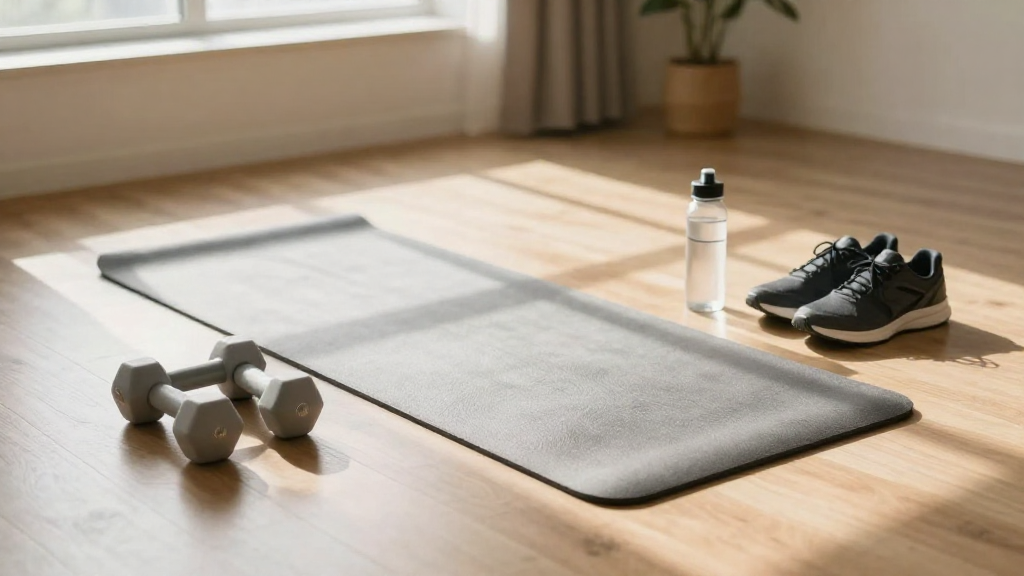
If you’re wondering whether you can workout during recovery, you’re not alone.
Many people face the dilemma of whether to resume their exercise routines after being ill.
The answer isn’t always straightforward, as it depends on several factors.
Why Consider a Workout During Recovery?
What Are the Potential Benefits?
Working out during recovery can offer several benefits, including:
- Improved Mood: Exercise releases endorphins, known as “feel-good” hormones.
- Enhanced Immune Function: Moderate workouts can help boost your immune system.
- Faster Recovery: Light activity can energize you and promote circulation, aiding in healing.
- Retaining Muscle Mass: Mild exercise helps maintain muscle tone and prevent deconditioning.
When Is It Safe to Workout During Recovery?
How Do You Assess Your Condition?
Before engaging in workouts during recovery, it’s essential to evaluate your situation:
- Duration of Illness: How long were you unwell? Short illnesses might require less downtime.
- Type of Illness: Most common colds may allow for light exercise, while more severe illnesses like the flu may necessitate a longer break.
- Symptoms: Pay attention to your body. If you’re experiencing symptoms like fever, extreme fatigue, or dizziness, it’s best to rest.
What Should Your Workouts Look Like During Recovery?
What Types of Exercises Are Recommended?
When considering workout during recovery, it’s crucial to keep your regimen light. Here are some recommended workouts:
- Gentle Stretching: Increases flexibility and helps relieve tension.
- Walking: A simple way to ease back into exercise without overdoing it.
- Yoga: Focuses on breathing and relaxation, promoting both mental and physical well-being.
- Light Bodyweight Exercises: Consider modified push-ups, seated leg lifts, or other low-impact moves.
Aim for sessions of 10-20 minutes to start, and maintain hydration.
How to Create an Effective Recovery Workout Plan?
What Should You Include in Your Routine?
Create a balanced workout plan to get back into your routine while recovering:
- Warm-Up: Start with 5-10 minutes of gentle movement or stretching to prepare your body.
- Core Exercises: Focus on low-impact exercises that engage your core without straining.
- Breathing Exercises: Incorporate deep breathing to enhance oxygen flow.
- Cooldown: End each session with stretches to aid recovery.
When Should You Avoid Working Out During Recovery?
What Red Flags Indicate You Should Rest?
It’s vital to listen to your body. Consider stepping back if you experience any of these red flags:
- High Fever: Indicates your body is fighting an infection.
- Persistent Coughing or Chest Pain: Can indicate respiratory issues that need full rest.
- Severe Fatigue: If you find that even simple movements tire you, it’s best to focus on rest.
How Can You Stay Motivated to Workout During Recovery?
What Strategies Can Help?
Recovering from illness can be mentally challenging. To fight the temptation to skip workouts altogether, consider these strategies:
- Set Realistic Goals: Focus on gradual improvements to avoid feeling overwhelmed.
- Track Progress: Keep a journal of your workouts and feelings; noticing progress can motivate you to continue.
- Find a Workout Buddy: Engaging a friend can hold you accountable and make workouts more enjoyable.
How Can Nutrition Support Your Workout During Recovery?
What Foods Help Improve Your Recovery?
While working out during recovery, it’s crucial to supplement your exercise with the right nutrition. Here are key dietary elements to consider:
- Hydration: Drink plenty of fluids to flush out toxins.
- Protein: Include lean meats, eggs, or legumes to repair tissues.
- Fruits and Vegetables: Packed with vitamins and antioxidants, they bolster your immune system.
Is it Okay to Push Yourself Harder?
When Can You Increase Intensity?
As you start feeling better, assess your energy levels. If you’re managing well with light workouts, consider gradually increasing intensity.
Guidelines to follow:
- Begin with 2-3 days of lighter workouts.
- Increase duration before adding intensity.
- Always listen to your body and stop if you feel discomfort.
Seeking Professional Advice
How Do You Know if You Should See a Doctor?
If you’re uncertain about whether you can safely workout during recovery, consulting a healthcare professional can provide clarity. It’s especially beneficial to meet with a doctor if:
- You have a pre-existing medical condition.
- You are unsure about your recovery status.
Conclusion: Balancing Exercise and Recovery
In conclusion, you can certainly workout during recovery; however, it’s crucial to proceed with caution.
Take into account your specific illness, symptoms, and overall wellness.
As you engage in light workouts and nourish your body, remember to prioritize rest.
A balanced approach can yield benefits without compromising your recovery.
Stay patient, listen to your body, and soon you’ll be back to your regular workout routine, stronger than ever.