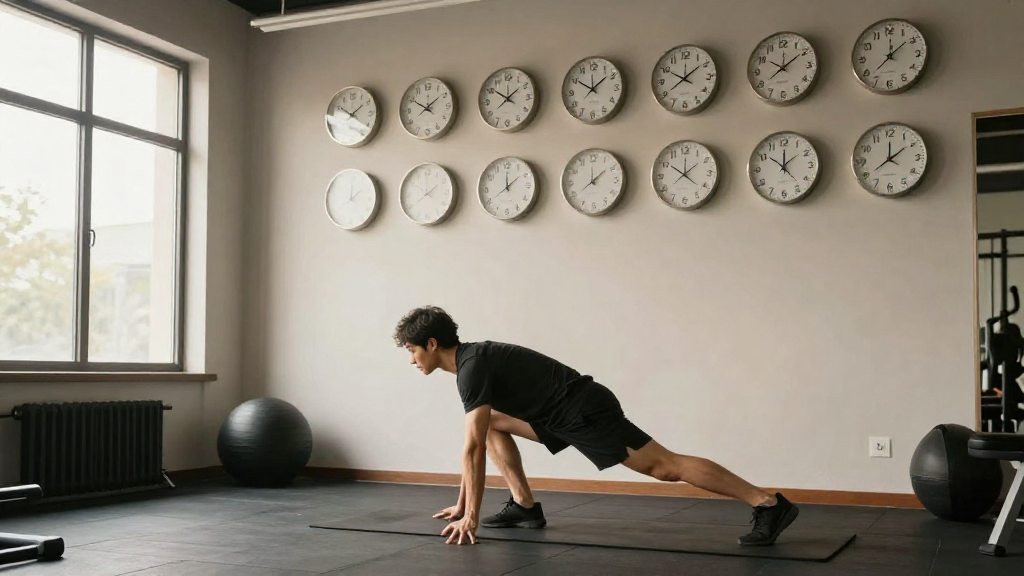
Determining the right workout duration for your fitness goals can be confusing.
With varying recommendations and differing opinions, it’s essential to understand what works best for your body and objectives.
In this article, we will explore factors that influence workout duration, provide guidelines for different fitness levels, and help you establish a routine that fits your lifestyle.
What Factors Influence Workout Duration?
Understanding various factors can guide you to determine the ideal workout duration for your needs.
Here are some of the key elements to consider:
-
Fitness Goals
- Are you aiming for weight loss?
- Building muscle?
- Improving endurance?
-
Current Fitness Level
- Are you a beginner?
- Intermediate or advanced?
-
Workout Type
- Are you doing cardio, strength training, or flexibility exercises?
-
Time Availability
- How much time do you realistically have each day?
-
Age and Health
- Are there any medical conditions or age-related factors to consider?
-
Recovery Needs
- How does your body respond to exercise?
- Do you need more recovery time after workouts?
Each of these factors plays a crucial role in determining the best workout duration for you.
How Long Should Beginners Work Out?
For beginners, the workout duration should focus on gradually building consistency and endurance.
-
Frequency: Aim for 3-4 days a week.
-
Duration: Start with 20-30 minutes per session.
-
Type of Exercise: Incorporate a mix of cardio and strength training.
Begin with low-intensity workouts, progressing to moderate intensity as your fitness levels improve.
Consider the following beginner-friendly activities:
– Brisk walking
– Bodyweight exercises
– Low-impact aerobic classes
Starting slow reduces the risk of injury and helps establish a sustainable routine.
How Long Should Intermediate Exercisers Train?
Once you have a solid foundation in fitness, you can adjust your workout duration accordingly.
For those at an intermediate level:
-
Frequency: Aim for 4-5 days a week.
-
Duration: Extend your workouts to 30-60 minutes.
-
Type of Exercise: Incorporate weight lifting, running, cycling, and high-intensity interval training (HIIT).
At this level, consider a balanced approach that includes:
– 2-3 days of strength training
– 2-3 days of cardio
Creating varied workouts will help you avoid plateaus and continue progressing toward your goals.
How Long Should Advanced Athletes Work Out?
Advanced athletes often require longer periods of training to meet their specific performance goals.
Your workout duration could look like this:
-
Frequency: Aim for 5-6 days a week.
-
Duration: Train for 60-90 minutes or more per session.
-
Type of Exercise: Incorporate specialized training, such as sports drills or periodized strength training.
Remember to balance training with recovery to prevent burnout or overtraining.
Consider incorporating:
– Cross-training: To enhance overall fitness and prevent injuries.
– Active recovery sessions: Such as yoga or light swimming.
A well-rounded program will not only optimize performance but also maintain long-term health.
Are Shorter Workouts Effective?
You might be wondering if short workouts can be effective.
Yes, they can! The key is intensity.
-
High-Intensity Interval Training (HIIT): 20-30 minutes can yield results.
-
Focused Workouts: Short, targeted sessions can be highly effective.
Shorter sessions can fit into busy schedules and can still deliver results if they are structured correctly.
Combine effective routines that include:
– Circuit training
– Weighted compound movements
With the right mix, you can achieve a thorough workout in under 30 minutes.
How Often Should You Change Your Workout Duration?
To see continuous progress, you should regularly reassess and possibly adjust your workout duration.
Consider the following guidelines:
-
Every 4-6 weeks: Evaluate your progress and adjust your regimen.
-
When goals change: If you’re aiming for a different result, modify your duration accordingly.
Listen to your body; if you feel fatigued or under-recovered, consider altering your workout duration to avoid burnout.
What Is the Ideal Workout Duration for Weight Loss?
When it comes to weight loss, the workout duration may vary depending on the intensity and type of exercise.
Consider the following:
-
Duration: Aim for 150-300 minutes of moderate-intensity exercise weekly.
-
Frequency: Spread this across 5-6 days a week.
Include a mix of:
– Cardiovascular: Such as running, cycling, or swimming.
– Strength Training: To build muscle mass, which boosts your metabolism.
A combination of both will be effective for weight loss and lead to long-term success.
How Important Is Recovery in Determining Workout Duration?
Recovery is a crucial component that impacts your workout duration and your overall progress.
-
Listen to Your Body: If you’re experiencing soreness or fatigue, take rest days or opt for lighter workouts.
-
Sleep and Nutrition: Ensure you get enough sleep and fuel your body with nutritious foods to aid recovery.
Incorporate:
– Active recovery: Light walking, stretching, or yoga.
- Rest days: Schedule at least 1-2 rest days weekly.
Adequate recovery contributes to better performance and prevents injuries.
Conclusion: Tailoring Your Workout Duration
Ultimately, workout duration should be tailored to your specific goals, fitness level, and lifestyle.
Consider your overall well-being, incorporating variety, and ensuring recovery.
As you embark on your fitness journey, keep in mind that quality often matters more than quantity.
By understanding the nuances of workout duration, you can create a routine that promotes long-term health and achieves your desired results.
Feel free to revisit and adjust your workouts based on your progress, keeping fitness both exciting and effective.