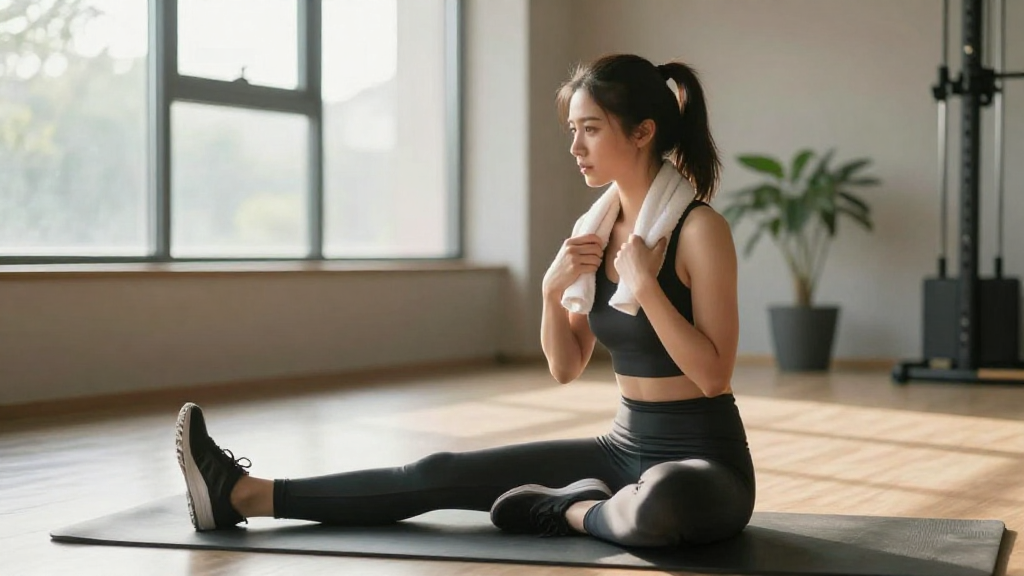
Cooling down after a workout is an essential part of any fitness routine.
In the following sections, we will explore why a workout cooldown is crucial for your post-exercise recovery, as well as provide practical tips on how to achieve an effective cooldown.
What Happens to Your Body During a Workout?
During exercise, especially high-intensity workouts, your heart rate increases significantly to supply oxygen and nutrients to your working muscles.
Your body also experiences a rise in core temperature, and your muscles contract repetitively, leading to micro-tears, which is essential for muscle growth and strength improvement.
However, once you stop exercising, your body requires a period to transition back to its resting state.
But why is that cooldown so vital?
Why Is a Workout Cooldown Necessary?
- Reduces Heart Rate Gradually
A sudden stop of high-intensity exercise can lead to feelings of dizziness or lightheadedness.
A proper workout cooldown helps your heart rate return to normal gradually, preventing these sensations.
- Prevents Muscle Soreness
After intense workouts, lactic acid builds up in your muscles.
Engaging in a cooldown routine helps clear lactic acid and reduces muscle tightness, alleviating soreness during the following days.
- Improves Flexibility
A cooldown typically consists of gentle stretching, which can improve your flexibility over time.
This contributes to enhanced performance and reduced risk of injury in future workouts.
- Promotes Relaxation
Cooling down can serve as a mental signal to your body that the workout is finished.
This may help reduce stress and anxiety, contributing positively to both mental and emotional health.
- Facilitates Recovery
A workout cooldown is integral to your recovery process.
It helps your body clear metabolic waste products and allows muscle and tissue repair to begin.
What Should Be Included in a Workout Cooldown?
An effective workout cooldown typically involves two main components: light aerobic activity and stretching.
Light Aerobic Activity:
- Walking: Gradually decrease your pace to help lower your heart rate.
- Slow Cycling: If you’re on a stationary bike, reduce the resistance and speed.
- Dynamic Movements: Gentle side bends, arm circles, and hip openers can suffice.
Stretching Routine:
-
Hamstring Stretch
– Sit with one leg extended and the other leg bent, reach toward your toes. -
Quadriceps Stretch
– Stand on one leg, pulling the other foot towards your glutes, holding for balance. -
Shoulder Stretch
– Cross one arm over your chest, using the other arm to pull it closer. -
Glutes Stretch
– Sit on the floor, cross one leg over the other, and rotate your torso. -
Lower Back Stretch
– Lie flat on your back and pull your knees to your chest.
How Long Should a Workout Cooldown Last?
A good workout cooldown should last anywhere from 5 to 15 minutes.
This timeframe is usually sufficient to return your body to its resting state while incorporating light aerobic activity and stretching.
Split Your Cooldown:
- 5 Minutes of Light Activity
- 5 to 10 Minutes of Stretching
Sticking to this routine consistently can help improve your performance in future workouts.
Can Skipping a Cooldown Be Harmful?
Yes, neglecting a workout cooldown can have adverse effects on your body.
-
Increased Risk of Injury: Failing to cool down can lead to muscle stiffness and increased susceptibility to injuries.
-
Delayed Onset Muscle Soreness (DOMS): Without a proper cooldown, you may experience more intense soreness in the days following your workout.
-
Poor Recovery: Skipping a cooldown can impede the recovery process, making it difficult to maintain a consistent workout schedule.
Is There a Suitable Cooldown for Different Types of Workouts?
Yes, tailoring your workout cooldown based on the type of exercise you performed is advisable.
-
Cardio Workouts: For activities like running or cycling, a cooldown with a slower pace is beneficial, followed by leg stretches.
-
Strength Training: Gentle full-body stretches focusing on the muscles worked can be more appropriate after lifting weights.
-
High-Intensity Interval Training (HIIT): Given the nature of HIIT, focus on longer periods of slower movements to gradually lower heart rate, followed by extensive stretching of all major muscle groups.
How to Stay Motivated for Cooling Down?
Sometimes, the post-workout fatigue might tempt you to skip your cooldown. Here are some strategies to keep you on track:
-
Schedule Your Cooldown: Set aside a specific time after your workout to cool down.
-
Use Music: Play calming music during your cooldown to help you relax.
-
Remember the Benefits: Think about how a workout cooldown enhances your performance and decreases the risk of injury.
-
Incorporate Mindfulness: Use this time to practice deep breathing or meditation, enhancing both mental and physical relaxation.
Conclusion: What Are the Key Takeaways?
In summary, a proper workout cooldown is essential for enhancing your overall fitness experience and maintaining your long-term health.
By gradually lowering your heart rate, improving flexibility, and aiding muscle recovery, cooling down transforms your exercise journey into a more effective and enjoyable one.
The next time you finish a workout, remember to take those extra few minutes for a cooldown.
Your body will thank you, and your future workouts will be all the more rewarding.
Stay active, stay safe, and don’t forget your workout cooldown!