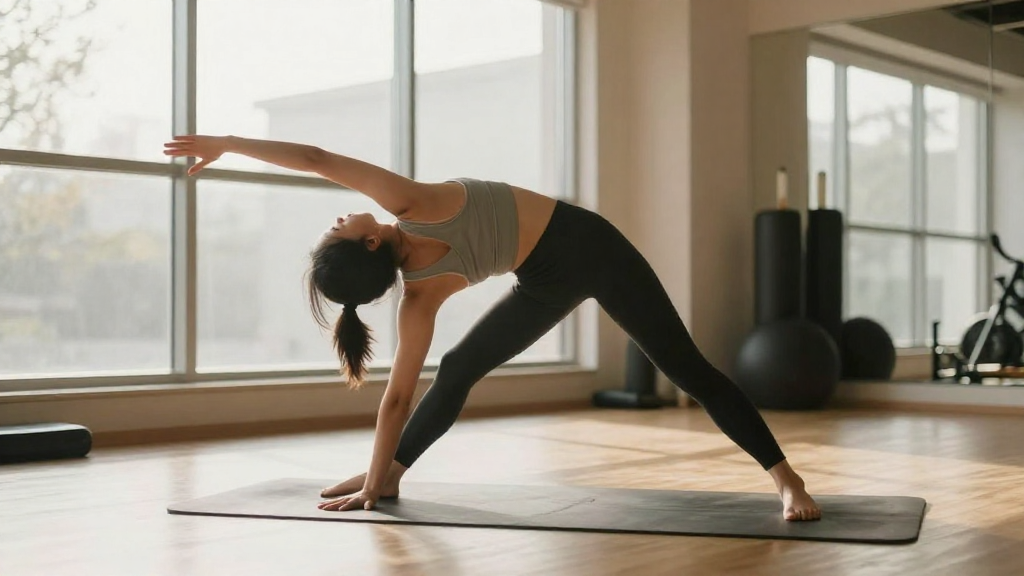
Incorporating workout and stretching into your fitness routine can amplify your results significantly.
Whether you’re a seasoned athlete or just beginning your fitness journey, integrating stretching into your workout can enhance your overall performance.
Let’s explore why you should prioritize stretching in your exercise regimen.
What Are the Benefits of Stretching During Workouts?
Stretching involves elongating your muscles and improving flexibility.
Here are some compelling benefits of workout and stretching:
-
Improved Flexibility:
– Regular stretching increases your range of motion.
– Enhanced flexibility can lead to better performance in physical activities. -
Increased Blood Flow:
– Stretching promotes circulation, delivering oxygen and nutrients to your muscles.
– This can aid recovery and reduce muscle soreness post-exercise. -
Enhanced Performance:
– As you incorporate stretching into your workout and stretching routine, you’ll likely notice an improvement in your athletic performance.
– Flexible muscles can contract more effectively, improving strength and endurance. -
Reduced Risk of Injury:
– Warm muscles are less likely to sustain injuries.
– Stretching prepares your muscles for the physical stress of workouts, helping to prevent strains and sprains. -
Better Posture:
– Many people suffer from poor posture due to prolonged sitting or physical imbalance.
– Stretching can help realign your body and improve posture over time. -
Stress Relief:
– Stretching induces relaxation and helps reduce mental stress.
– It can serve as a great cooldown technique, allowing your mind and body to unwind after exertion.
How Should You Incorporate Stretching Into Your Workout?
Now that you know the benefits, how can you effectively incorporate stretching into your workout and stretching routine?
1. Warm-Up First
Always start with a warm-up before you stretch.
Dynamic stretches are ideal as part of your warm-up routine:
- Leg Swings: Swing one leg forward and backward while holding onto a wall or sturdy object for support.
- Arm Circles: Extend your arms out to your sides and make circular motions, gradually increasing the circle size.
- Torso Twists: Gently twist your torso from side to side to warm up your core and spine.
2. Choose the Right Types of Stretches
There are two primary categories of stretching: static and dynamic.
- Static Stretching:
- Involves holding a stretch for 15-60 seconds.
-
Best done post-workout to cool down your muscles. Examples include hamstring stretches, seated bends, and butterfly stretches.
-
Dynamic Stretching:
- Involves controlled movements that gently take you to the limits of your range of motion.
- Great for warming up before exercise. Examples include walking lunges, high knees, and inchworms.
3. Follow a Consistent Routine
Incorporate stretching into your weekly workout plan.
Aim for:
- 5-10 minutes of dynamic stretches before workouts.
- 10-15 minutes of static stretches after workouts.
This consistency will enhance your flexibility over time, ultimately improving your workout and stretching experience.
When is the Best Time to Stretch?
The timing of your stretching routine matters significantly.
Before or After Workout?
- Pre-Workout:
- Focus on dynamic stretches.
-
This prepares your muscles for action and warms up your body, reducing the risk of injury.
-
Post-Workout:
- Incorporate static stretching as your cooldown routine.
- Helps relax your muscles, reduce tension, and aids in recovery.
On Off-Days
Stretching isn’t just limited to your workout days.
Utilize your rest days to engage in longer stretching sessions:
- Practice yoga or Pilates.
- Follow guided stretching routines available via fitness apps or online platforms.
What Should You Focus On When Stretching?
Focusing on specific muscle groups can yield better results.
Here are essential areas to target during your workout and stretching session:
-
Hamstrings:
– Vital for athletes, since tight hamstrings can lead to back pain and poor posture. -
Quadriceps:
– Important for those who engage in running or cycling. -
Hip Flexors:
– Particularly beneficial for individuals who sit for extended periods. -
Shoulders and Arms:
– Stretch these areas to combat tightness commonly resulting from desk jobs. -
Back Muscles:
– Focus on your upper and lower back to alleviate tension and enhance posture.
Can Stretching Help Athletes?
Absolutely!
Athletic performance relies heavily on flexibility and mobility.
Stretching can:
- Increase agility and balance.
- Improve speed and power output.
- Reduce muscle fatigue and soreness, allowing athletes to train harder and longer.
Athletes from various sports, including runners, weightlifters, and dancers, often include workout and stretching in their training to maximize their potential.
Conclusion: Why You Should Commence Stretching Now!
In conclusion, integrating workout and stretching into your fitness routine is imperative.
The benefits of stretching, including improved flexibility, enhanced performance, and injury prevention, are too significant to ignore.
By warming up with dynamic stretches and cooling down with static ones, you’ll not only enhance your workout and stretching experience but also enrich your overall health and fitness journey.
So, what are you waiting for? Start incorporating stretching into your workouts today for a more well-rounded fitness regimen!