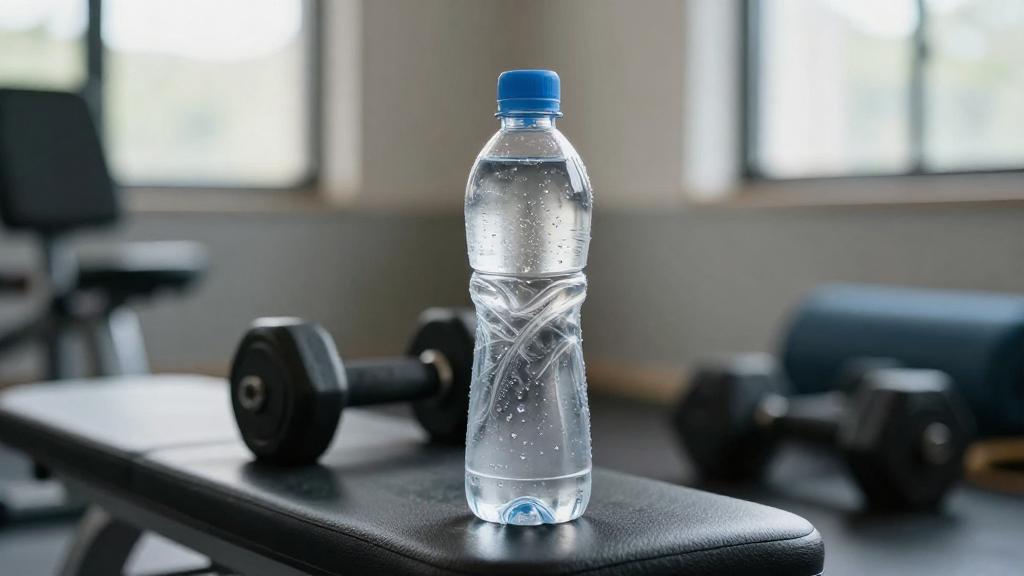
Staying properly hydrated during your workout is key for optimal performance and recovery.
Why is Workout and Hydration Important?
Hydration plays a critical role in physical performance.
When we engage in any form of exercise—be it weight lifting, running, or yoga—our bodies lose water through sweat.
This loss needs to be replaced to prevent dehydration, which can lead to fatigue, decreased coordination, and even heat-related illnesses.
How Much Water Should You Drink During a Workout?
The general guideline for hydration during workouts can vary based on several factors.
Here are some general recommendations:
-
Pre-Workout Hydration:
– Drink about 16-20 ounces (500-600 mL) of water 2-3 hours before exercising.
– Have another 8 ounces (240 mL) about 20-30 minutes before your workout. -
During Workout Hydration:
– Aim to drink about 7-10 ounces (200-300 mL) of water every 10-20 minutes during your workout.
– If your workout lasts longer than an hour, consider a beverage containing electrolytes. -
Post-Workout Hydration:
– Replenish with 16-24 ounces (500-700 mL) of water after your workout.
– Monitor your weight before and after exercising. For every pound lost, drink about 16-24 ounces of water.
What Factors Affect Hydration Needs During Workout?
Understanding that individual hydration needs can differ is vital for optimizing workout and hydration strategies.
Consider the following factors:
- Intensity and Duration of Exercise:
- More intense and longer workouts will increase fluid loss.
-
For high-intensity interval training (HIIT), you may sweat more, necessitating increased water intake.
-
Temperature and Humidity:
- Hot and humid conditions can increase sweat production, requiring you to drink more fluids.
-
In cold weather, even though you might sweat less, hydration is still critical.
-
Individual Factors:
- Body weight, fitness level, and acclimatization to heat all play roles in how much water you may need.
- Athletes or people who sweat more will require more fluids.
How Do You Know If You’re Hydrated Enough During a Workout?
Monitoring your hydration status doesn’t have to be complicated.
Here are some simple methods you can use:
1. Thirst Level:
– If you’re thirsty, it’s a good indicator that you need to drink more water.
2. Urine Color:
– Pale yellow is a sign of good hydration.
– If your urine is dark yellow or amber, it’s time to hydrate.
3. Performance Feedback:
– If you feel fatigued or are experiencing dizziness during your workout, it might indicate dehydration.
What Are the Signs of Dehydration During a Workout?
Being aware of the signs of dehydration can help you respond promptly.
Common symptoms include:
- Increased thirst
- Dry mouth
- Fatigue or tiredness
- Dizziness or light-headedness
- Reduced performance and endurance
- Dry skin
What Types of Drinks Are Best for Workout and Hydration?
Not all drinks are suitable for hydration during workouts.
Here’s a comparison of different types of fluids:
-
Water:
– Best choice for most workouts.
– No calories, sugar, or caffeine. -
Electrolyte Drinks:
– Beneficial for longer or intense workouts over an hour.
– Help replenish lost electrolytes. -
Coconut Water:
– Nature’s sports drink with potassium and minimal calories.
– Great alternative for hydration. -
Sports Drinks:
– Contain carbohydrates and electrolytes.
– Can be useful during intense workouts but check sugar levels.
How Can You Make Hydration a Habit During Your Workout?
Developing a consistent hydration habit is essential for maintaining workout and hydration balance.
Here are some tips to ensure you stay hydrated:
- Carry a Water Bottle:
-
Keep a reusable water bottle with you during your workout.
-
Set Reminders:
-
Use your smartphone or a workout app that reminds you to drink water.
-
Plan Drinking Breaks:
-
Incorporate regular breaks into your workout routine to sip on water.
-
Flavor Your Water:
- Adding fruits or herbs can make water more enjoyable.
Can You Overhydrate During a Workout?
While hydration is vital, it’s also possible to drink too much water, a condition known as hyponatremia.
Symptoms may include:
- Nausea and vomiting
- Headaches
- Confusion or seizures
To prevent overhydration:
- Listen to your body: If you’re not thirsty, don’t force yourself to drink excessively.
- Pay attention to urine color: Keep it in the pale yellow zone.
Conclusion: How Much Water Should You Drink During Workout and Hydration?
Hydration during workouts is key to performance, recovery, and overall well-being.
Stick to the recommended guidelines, monitor your hydration signs, and adapt based on your individual needs.
Whether you’re hitting the gym, going for a run, or practicing yoga, making workout and hydration a priority will enhance your exercise experience, improve your performance, and help you stay healthy.
Stay aware of the factors affecting your hydration and remember that simply sipping water consistently is one of the best approaches you can take during your exercise routine.
Make hydration an integral part of your workout strategy, and watch how it positively affects your health and fitness!