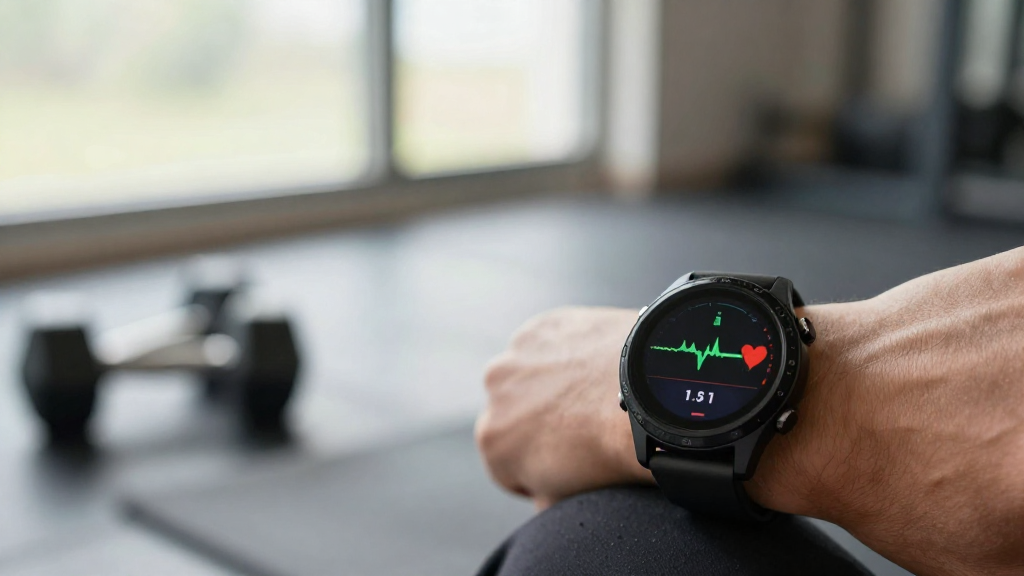
Understanding your workout and heart rate is essential for improving your fitness and health.
Monitoring your heart rate during exercise can help optimize your performance and ensure you’re training in the right intensity zones.
Why Is Heart Rate Important During a Workout?
Your heart rate is the number of times your heart beats per minute (BPM).
It serves as a direct indicator of how hard your body is working during physical activity.
Here are a few important reasons why understanding heart rate matters during a workout:
- Fitness Level: A lower resting heart rate typically indicates better cardiovascular fitness.
- Workout Intensity: Knowing your target heart rate (THR) zones can help you adjust your workout intensity effectively.
- Fat Burn vs. Cardio Benefits: Different heart rate zones will yield different results.
What Are the Different Heart Rate Zones?
There are several heart rate zones to consider when analyzing your workout and heart rate understanding.
Each zone targets different fitness goals:
-
Resting Zone (50-60% of MHR)
– Ideal for recovery and relaxation. -
Fat Burn Zone (60-70% of MHR)
– Optimize fat burning during low to moderate exercise. -
Cardio Zone (70-80% of MHR)
– Improve cardiovascular health; great for endurance training. -
Anaerobic Zone (80-90% of MHR)
– Enhance performance and power through high-intensity bursts. -
Maximum Effort Zone (90-100% of MHR)
– Conducive for short, explosive workouts; pushes your body to its limits.
To effectively calculate your heart rate zones, you first need to determine your maximum heart rate (MHR).
A simple way to do this is to subtract your age from 220.
For example, if you’re 30 years old:
220 – 30 = 190 BPM (your MHR).
How Do You Monitor Your Heart Rate During a Workout?
Tracking heart rate has never been easier, thanks to various methods and devices available:
-
Heart Rate Monitors: Wearable devices that provide real-time heart rate data during workouts.
-
Fitness Trackers: Smartwatches or bands that often come with built-in heart rate sensors.
-
Smartphone Apps: Many fitness-related apps offer heart rate tracking features when paired with compatible devices.
-
Manual Method: You can manually check your pulse by finding your carotid artery or radial artery and counting beats for 15 seconds, then multiplying by four.
How Can You Use Heart Rate Data to Improve Your Workout?
Now that you understand the heart rate zones and ways to monitor your heart rate, let’s explore how you can leverage this information for your workouts:
-
Set Realistic Goals
– Determine your fitness objectives (weight loss, strength training, endurance) and choose heart rate zones accordingly. -
Warm Up and Cool Down
– Gradually increase and decrease your heart rates to avoid injury and promote recovery. -
Interval Training
– Incorporate varied intensities in your workouts to challenge your heart and improve overall fitness. -
Regular Assessments
– Reassess your MHR and THR every few months to keep up with your evolving fitness level. -
Listen to Your Body
– Pay attention to symptoms like dizziness or breathlessness; if you experience these, reduce intensity or take a break.
What Should You Avoid When Monitoring Heart Rate?
While understanding your workout and heart rate is beneficial, there are also common mistakes to avoid:
-
Ignoring Your Body’s Signals: Always prioritize how you feel over numbers.
-
Relying Solely on Technology: While devices are useful, they can sometimes provide inaccurate readings.
-
Fixating on Numbers: Remember, heart rate is just one tool in your fitness toolbox—don’t let it overshadow other aspects of your health.
How Does Age Affect Heart Rate During Workouts?
Age is a crucial factor that can affect your heart rate during physical activity:
-
Higher MHR: Generally, younger individuals have a higher MHR compared to older adults.
-
Recovery Time: Older adults may take longer to return to resting heart rates after intense workouts.
-
Changes in Heart Rate Zones: As you also age, awareness of your workout and heart rate understanding becomes even more significant, as your target zones may change.
How Does Fitness Level Influence Heart Rate?
Your fitness level plays a significant role in your workout and heart rate understanding.
The more conditioned you are, the lower your resting heart rate typically is.
Additionally, fitness levels can impact your heart rate response during exercise:
-
Trained Individuals: Will generally experience less shift in heart rate for the same intensity compared to untrained individuals.
-
Stressing System: Higher fitness levels allow for a more efficient cardiovascular system, resulting in a relatively lower heart rate during physical activity over time.
When Is It Time to Consult a Professional?
If you’re unsure about interpreting your heart rate or if you experience unusual changes or symptoms, it is wise to consult with a healthcare professional or a fitness coach.
Factors that prompt this look are:
-
Irregular Heart Rate Patterns: Significant changes in resting or active heart rates without clear reason may need investigation.
-
Chronic Conditions: If you have conditions like hypertension or heart disease, professional guidance is critical for safe exercise practices.
Conclusion
An informed approach to your workout and heart rate understanding can enhance your fitness journey and lead to better health outcomes.
Track your heart rate, understand the zones, set your goals accordingly, and above all, listen to your body.
As you incorporate this knowledge into your fitness routine, the benefits will become apparent not just in your workouts but in your general well-being.
Stay in tune with your heart, and let it guide you toward achieving your fitness aspirations.