A plate loaded belt squat machine is one of the smartest ways to train hard legs without piling stress onto your spine or lower back. It can be a great fit for lifters who want heavy quad and glute work with a more comfortable setup than traditional squats.
In this roundup, we focused on capacity, stability, compatibility, and overall value so you can choose the right option for your gym and training style.
Best 10 Plate Loaded Belt Squat Machine Picks for 2026
Heavy-Duty Standalone
Titan Fitness 1,000 LB Belt Squat

- 1,000 lb rated standalone unit
- Three depth-stop positions
- Built-in plate storage and non-slip footplate
Best For: Lifters wanting a dedicated heavy-duty belt squat setup
Universal Rack Attachment
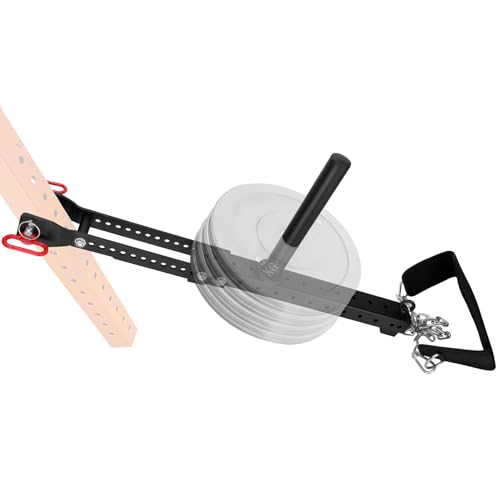
- 1100 lb capacity attachment
- Fits common 2x2, 2x3, and 3x3 racks
- No assembly and adjustable lever arms
Best For: Rack owners adding a versatile belt squat system
Portable Compact Station

- Compact design for easier storage
- Built-in pulley for smooth resistance
- Removable horns and stabilizing handlebar
Best For: Lifters needing a portable, space-saving belt squat station
Classic Heavy-Duty Model
Bells of Steel Belt Squat Machine 2.0

- 11-gauge steel construction
- 700 lb capacity with included belt and chain
- Useful for squats, deadlifts, and glute work
Best For: Home gym users wanting a versatile heavy-duty belt squat machine
Belt Squat Belt
IronMind SUPER SQUATS Hip Belt

- Lets you squat with no load on the spine or lower back
- Rated to hold 3,500 lb. with ease
- Portable and useful for chins, dips, dragging, and more
Best For: Lifters who want a durable, portable belt for belt squats and accessory work
Belt Squat Machine
Mikolo 1000 lb Belt Squat Machine

- Full machine for belt squats, leg press work, and more
- 11-gauge steel frame with 1000 lb capacity
- Includes plate storage and 3 height settings
Best For: Home gym lifters who want a dedicated machine with heavy-duty construction
Rack Attachment Belt
THEFITGUY Original Belt Squat Belt

- Low-profile straps stay flat and move clean
- Reinforced EVA back adds structured support
- Designed for belt squat machines, racks, and lever arms
Best For: Lifters who want a comfortable, purpose-built belt for compatible squat setups
Freestanding Commercial Pick
GFF Freestanding Commercial Belt Squat Machine

- Vertical storage saves space when not in use.
- Casters make it easier to move and reposition.
- Supports up to 400kg with 50mm plates.
Best For: Users who want a freestanding, moveable belt squat station.
Support-Focused Belt Pick
Low-Profile Padded Belt for Belt Squats

- Low-profile straps help prevent bunching.
- Reinforced EVA back adds lumbar support.
- Metal buckle and inner strap help lock the fit.
Best For: Lifters who need a stable belt for squats and lever arms.
Barbell Attachment Pick
Olympic Bar Belt Squat Attachment

- Fits 2-inch Olympic barbells.
- Steel build is rated up to 500 lbs.
- Multiple holes help fit different users.
Best For: Home gym users who want a compact belt squat attachment.
Heavy-Duty Standalone – Titan Fitness 1,000 LB Belt Squat
If you want a plate loaded belt squat machine that feels built for serious lower-body work, the Titan Fitness model is designed to move the load off your back and onto your hips. Its standalone frame, adjustable squat depth, and built-in plate storage make it a practical option for home gyms that want a dedicated machine rather than an attachment.
Best For: Lifters who want a dedicated belt squat setup with heavy capacity and integrated storage.
Pros:
- Rated for up to 1,000 lb for heavy training sessions
- Three stopper positions help control squat depth
- Diamond-plated footplate adds non-slip traction
- Built-in rear weight posts provide plate storage and added stability
Cons:
- Large steel unit is not meant for compact spaces
- Heavier build may be overkill for casual users
Overall, this is a straightforward choice if your priority is a sturdy, purpose-built belt squat machine with room to load plates and train hard. The added storage and stable foot platform make it especially appealing for a permanent gym setup.
Universal Rack Attachment – Betollo 1100 LB Belt Squat
This plate loaded belt squat machine is built for lifters who want a rack-mounted solution with a lot of adjustment range. The Betollo attachment uses a steel frame, no-assembly design, and broad rack compatibility, so it can slot into a home gym without committing to a full standalone machine.
Best For: Rack owners who want a high-capacity, adjustable belt squat attachment.
Pros:
- 1100 lb weight capacity for demanding training
- Adjustable lever arms from 31.2″ to 45″
- Fits common 2″x2″, 2″x3″, and 3″x3″ uprights
- No assembly required for faster setup
Cons:
- Requires a compatible rack to use
- Attachment format may not suit lifters wanting a standalone unit
For buyers who already have a rack, this is a flexible way to add belt squats without taking up floor space. Its adjustability and claimed compatibility make it a practical option for mixed-use home gyms.
Portable Compact Station – Squat Box PRO Belt Squat
If portability matters more than brute size, this plate loaded belt squat machine is designed to be compact and easy to move. The Squat Box PRO uses a built-in pulley system, removable weight horns, and a stabilizing handlebar to support a range of lower-body work while staying small enough for easier storage.
Best For: Users who want a portable belt squat station with a smaller footprint.
Pros:
- Compact and lightweight for storage and transport
- Built-in pulley system provides smooth resistance
- Removable horns can hold up to six 45 lb plates
- Stabilizing handlebar adds balance during heavy lifts
Cons:
- 270 lb platform load limit is lower than larger machines
- Weight rating depends partly on user bodyweight
This model makes sense if you need belt squat functionality without dedicating a large area to one machine. It trades away some max-load headroom, but the portability and compact design are clear strengths.
Classic Heavy-Duty Model – Bells of Steel Belt Squat Machine 2.0
For a plate loaded belt squat machine that doubles as a versatile lower-body trainer, the Bells of Steel Belt Squat Machine 2.0 is built around 11-gauge steel and a 700 lb capacity. It includes a belt, chain, carabiners, adjustable J-cups, and band pegs, so it offers a more complete setup for home gym users who want more than just squats.
Best For: Home gym lifters who want a sturdy belt squat machine with extra training options.
Pros:
- 11-gauge steel construction for a sturdy feel
- 700 lb maximum weight recommendation
- Includes weightlifting belt, chain, and carabiners
- Can also be used for deadlifts and glute work
Cons:
- Not as high-capacity as some larger belt squat setups
- Fixed-handle design may feel less adjustable than some alternatives
This is a solid middle-ground choice if you want strength, included accessories, and multiple lower-body use cases. It looks especially appealing for buyers who want a proven, heavy-duty machine without stepping into the largest commercial-style category.
Belt Squat Belt – IronMind SUPER SQUATS Hip Belt
If you want a simple way to train legs with a plate loaded belt squat machine setup, the IronMind SUPER SQUATS Hip Belt keeps the load off your spine and lower back. It is built for squat work, but it also gives you a versatile belt option for chins, dips, dragging, pulling, hip lifts, and calf work.
Best For: Lifters who want a portable, heavy-duty belt for belt squats and other loaded bodyweight movements.
Pros:
- Designed to let you squat with zero stress on the back
- Rated to hold up to 3,500 lb. with ease
- Portable enough for a gym bag or luggage
- Works for multiple exercises beyond squats
Cons:
- It is a belt accessory, not a full belt squat machine
- Medium size lists a 35-inch waist size, so fit is limited
This is a practical pick if your goal is to add belt squat training without a bulky machine. Its strength rating and multi-use design make it a durable, flexible option for home or travel training.
Belt Squat Machine – Mikolo 1000 lb Belt Squat Machine
The Mikolo belt squat machine is a full plate loaded belt squat machine for home gyms, combining squat training with leg press-style use in one steel frame. Its design focuses on lower-body work with a hip belt setup that can reduce stress on the back while helping target quads, glutes, and hamstrings.
Best For: Home gym users who want a dedicated, heavy-duty belt squat machine with added storage and multiple lower-body training options.
Pros:
- Made from commercial-level 11-gauge steel with a 1000 lb capacity
- Includes gritted pedals for better grip and safer squatting
- Offers 3 weight stop positions for height adjustment and safety
- Built-in plate storage helps keep a home gym organized
Cons:
- Large footprint at 81.8” x 52.3” x 39”
- Weighs 75 pounds, so setup and placement matter
This is the most complete option in the group if you want a machine rather than just a belt. It is aimed at serious lower-body training, with the added benefit of storage and multi-exercise functionality.
Rack Attachment Belt – THEFITGUY Original Belt Squat Belt
The THEFITGUY Original Belt Squat Belt is a low-profile option for a plate loaded belt squat machine, rack attachment, or lever-arm setup. It is designed to stay low, move clean, and provide structured support without riding up or bunching during sets.
Best For: Lifters who want a stable, comfortable belt for rack-based belt squat setups and similar machine work.
Pros:
- Low-profile side straps stay flat for smoother movement
- Reinforced EVA back adds structured lumbar support
- Adjustable inner strap and metal buckle help lock in the fit
- Built for belt squat machines, lever arms, and rack attachments
Cons:
- Supports up to 350 lbs., which is lower than some heavy-duty belts
- It is a belt only, so it still needs a compatible squat setup
If comfort and fit are your top concerns, this belt is built for cleaner movement under load. It is a thoughtful match for lifters who want a purpose-made accessory rather than a makeshift strap solution.
Freestanding Commercial Pick – GFF Freestanding Commercial Belt Squat Machine
If you want a plate loaded belt squat machine that feels built for a dedicated lower-body station, this freestanding GFF unit is designed for that role. It stores vertically, rolls on casters, and supports heavy loading with either a 50mm plate setup or a 25mm sleeve option, making it a practical choice when floor space and flexibility both matter.
Best For: Lifters who want a freestanding, moveable belt squat setup with high load capacity.
Pros:
- Vertical storage helps it fit in tighter spaces.
- Base casters make it easier to move around the gym.
- Supports up to 400kg with 50mm plates or 250kg with 25mm sleeves.
- Includes the frame, belt squat attachment, and belt with chain.
Cons:
- At about 70 lbs, it is still a substantial piece of equipment.
- Designed around plate loading, so it is less simple than a basic belt accessory.
Overall, this is the most complete option in the group if you want a standalone plate loaded belt squat machine with serious capacity and easy repositioning. It is best suited to users who value a commercial-style setup over a minimalist attachment.
Support-Focused Belt Pick – Low-Profile Padded Belt for Belt Squats
If you already have a plate loaded belt squat machine or rack attachment, this belt is designed to stay low and stay secure through the set. The padded side straps, reinforced back panel, and metal buckle are aimed at keeping the load stable without the belt riding up or bunching mid-rep.
Best For: Lifters who want a dedicated, heavy-duty belt for belt squats and lever-arm work.
Pros:
- Low-profile 2.36″ side straps are meant to stay flat and out of the way.
- Reinforced 5-panel EVA back adds structured lumbar support.
- Adjustable inner strap and metal buckle help keep the fit secure.
- 57″ length is built to keep plates clear of the thighs.
Cons:
- Primarily a belt accessory, not a full machine.
- The long 57″ design may require a platform for flat ground squats.
For belt squat training, the main advantage here is fit: it is built to stay controlled under load and avoid the common annoyances of shorter belts. If your setup already has the machine or rack attachment, this is a focused upgrade for support and comfort.
Barbell Attachment Pick – Olympic Bar Belt Squat Attachment
For a more compact plate loaded belt squat machine setup, this attachment turns a 2-inch Olympic barbell into a belt squat station. It is a straightforward steel accessory that can also support other movements, so it works well for home gym users who want more than one use from a single attachment.
Best For: Home gym lifters who want a simple barbell-based belt squat attachment.
Pros:
- Fits 2-inch Olympic barbells for belt squat use.
- High-strength steel construction is rated to withstand up to 500 lbs.
- Multiple holes help accommodate different user heights and sizes.
- Can also be used for moves like single-arm rows with compatible accessories.
Cons:
- Requires an Olympic barbell, so it is not a standalone machine.
- Accessory-based design means setup depends on your existing equipment.
This is the most flexible and space-saving option of the three, but it also depends on the rest of your home gym to make it work. If you want a simpler way to add belt squats without buying a full machine, it is a practical attachment-first solution.
How We Picked the Best Plate Loaded Belt Squat Machine
We looked for equipment that could handle real training loads, felt stable under movement, and matched different gym layouts. That means strong weight capacities, durable steel construction, useful adjustability, and clear compatibility with racks or standalone setups.
We also considered whether the design makes loading plates simple, whether the machine or attachment is compact enough for a home gym, and whether the belt system looks supportive for consistent training.
Quick Comparison: What Matters Most
Not every Plate Loaded Belt Squat Machine serves the same purpose. Full freestanding machines usually offer the most stability and easiest daily use, while rack attachments save space and cost less. Belt-only options are more portable and can work with multiple setups, but they depend on your existing equipment.
If your priority is maximum training comfort and repeatable performance, a dedicated machine is usually the best choice. If you need flexibility or have limited space, an attachment or portable station may be the better fit.
Key Buying Factors for a Plate Loaded Belt Squat Machine
Capacity and Build Quality
Check the rated load capacity and the steel gauge or frame construction. A higher capacity is useful, but stable geometry and solid welds matter just as much for confidence under load.
Fit and Compatibility
Make sure the system matches your rack size, barbell setup, or available floor space. Some models are universal, while others are designed for specific rack styles or dedicated home gym footprints.
Belt Comfort and Support
The belt should spread pressure evenly across the hips and waist without slipping. Low-profile padding and secure fastening help during heavier sets and higher-rep work.
Footprint and Mobility
Freestanding machines usually need more room, while attachments and portable stations are better for smaller gyms. Think about storage, placement, and whether you want the unit to stay put.
Training Feel
The best setups feel smooth, balanced, and natural through the range of motion. A good Plate Loaded Belt Squat Machine should let you push legs hard without awkward positioning or excessive setup time.
Who Should Buy Which Plate Loaded Belt Squat Machine?
Choose a freestanding machine if you want the most polished training experience and have the space for it. Pick a rack attachment if you want strong performance at a lower price and need to preserve floor space. Go with a belt or portable system if you want maximum flexibility, easier storage, or the ability to use multiple gym stations.
For most buyers, the right choice comes down to three things: available space, training frequency, and how much convenience you want between sets. Match those to your budget, and you’ll end up with the best long-term option for your gym.