If you’re building a safer, quieter lifting space, the right platform can make a big difference. An olympic lifting platform helps protect your floor, reduce noise, and create a stable base for heavy pulls and drops.
This roundup covers full platforms, modular tile systems, and drop-pad alternatives so you can choose the right setup for your space, training style, and budget.
Best 10 Olympic Lifting Platform Picks for 2026
Heavy-Duty Full Setup
Titan Full Deadlift Platform, 8FT x 4FT Steel Frame

- 8' x 4' steel frame for a dedicated lifting zone
- 8 rubber tiles help protect floors, plates, and bar
- 11-gauge steel build with band pegs and floor clips
Best For: Lifters wanting a permanent full-size deadlift platform
Portable Noise Control
Yes4All Silencer Drop Pads, Pair

- High-density foam helps absorb dropped barbell impact
- PVC leather cover and handles support portability
- Sold in pairs for quick setup and move-around use
Best For: Lifters needing portable crash pads for quieter drops
Custom Build Platform
Titan Half Deadlift Platform, 8FT x 4FT Frame

- 8' x 4' steel frame with a half-platform layout
- 4 rubber tiles included for the outer sections
- Designed for adding plywood in the center
Best For: Lifters who want a custom plywood-center platform
Compact Crash-Pad Option
SEWD Weightlifting Crash Pad Pair

- High-density foam and PVC leather build for heavy drops
- Reduces noise, vibration, and rebound
- Handles and versatile use make them easy to move
Best For: Lifters wanting portable pads for drops and multi-use workouts
Heavy-Duty Floor Protection
1.38" Thick Rubber Mats for Deadlift Zones
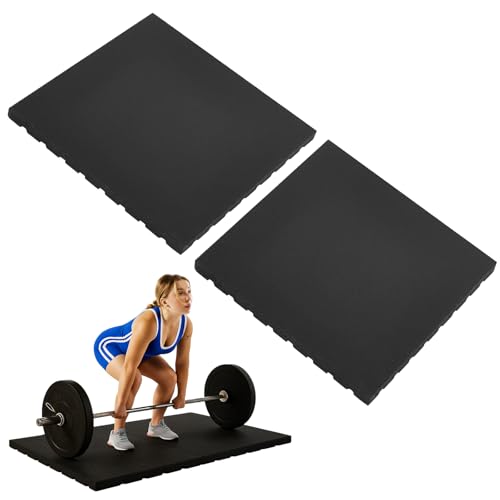
- 1.38-inch thick rubber absorbs impact from dropped plates.
- Dual-sided surface supports stable footing and anti-slip placement.
- Good for deadlift platforms, squat racks, and under treadmills.
Best For: Lifters wanting compact, heavy-duty floor protection
Dedicated Platform Kit
8ft x 4ft Bolt-Together Deadlift Platform
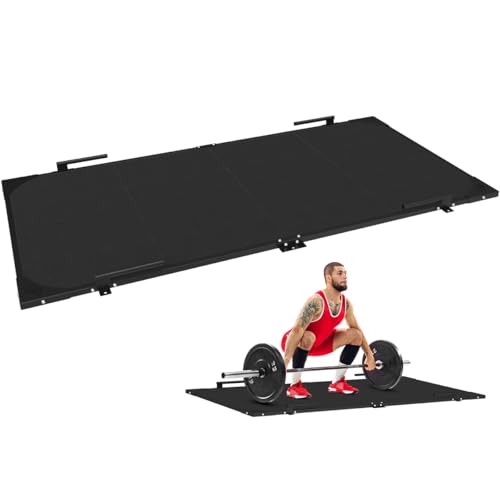
- 8' x 4' framed layout creates a dedicated lifting zone.
- 11-gauge steel frame and floor clips add stability.
- Includes eight rubber tiles for impact and floor protection.
Best For: Serious home gym lifters wanting a framed deadlift station
Compact Impact Protection
1.38" Anti-Vibration Rubber Tile Set

- 1.38-inch rubber helps absorb dropped-plate impact.
- Textured anti-slip backing helps prevent shifting.
- Waterproof surface is easy to wipe clean after training.
Best For: Small home gyms needing simple, compact floor protection
Heavy-Duty Rack Platform
Titan Series Power Rack Lifting Platform

- Hardwood center for a firm lifting surface
- Rubber side tiles help absorb drop impact
- Bolts to select TITAN Series rack depths
Best For: Titan rack owners needing a fixed lifting platform
Tile Add-On Set
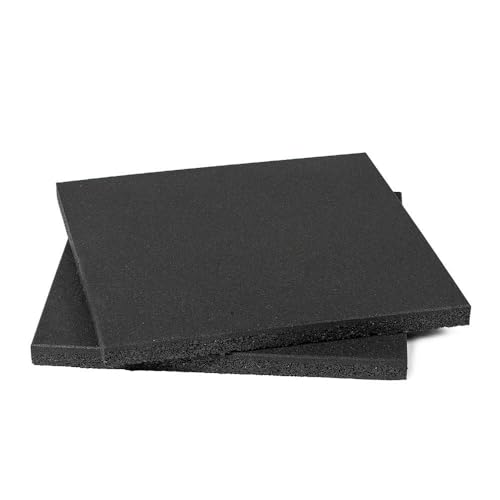
- 24 x 24-inch tiles for modular platform layouts
- 1.6-inch rubber helps cushion dropped weight
- Works well as an add-on to existing platforms
Best For: Adding modular rubber coverage to a platform
Full Platform Tile Pack

- Four tiles can form a 4 x 4 platform
- 1.6-inch rubber helps absorb shock on drops
- Good for DIY deadlift or Olympic lifting setups
Best For: Building a compact lifting platform from tiles
Heavy-Duty Full Setup – Titan Full Deadlift Platform, 8FT x 4FT Steel Frame
If you want an Olympic lifting platform that creates a clearly defined deadlift area, this Titan full platform is built for the job. The 8′ x 4′ steel frame includes rubber tiles to help reduce noise and protect your floor, barbell, and plates during repeated heavy pulls.
Best For: Lifters who want a dedicated, full-size deadlift platform with a steel frame and included rubber tiles.
Pros:
- 8′ x 4′ bolt-together steel frame creates a dedicated lifting space
- 8 included 24″ x 24″ rubber tiles help protect floors and equipment
- 11-gauge steel construction with powder-coated finish for durability
- Includes band pegs and floor clips for setup stability
Cons:
- Heavy overall build may be more than some home gyms need
- Best suited to users who want a fixed platform setup rather than a compact option
This is a solid pick if your priority is a sturdy, designated deadlift area with real floor protection. It offers a more permanent training solution than crash pads and is aimed at lifters who want a true platform setup.
Portable Noise Control – Yes4All Silencer Drop Pads, Pair
For athletes who need a simple Olympic lifting platform alternative for drops, these Yes4All silencer pads focus on noise reduction and floor protection. The foam-filled pads with PVC leather covers are designed to absorb impact from dropped barbells while staying easy to move around.
Best For: Lifters who want portable crash pads for quieter drops and basic floor protection.
Pros:
- High-density foam filling helps absorb impact from dropped weights
- PVC leather cover is built for durability and repeated use
- Integrated handles make the pads easier to carry and reposition
- Sold in pairs for a straightforward setup
Cons:
- Smaller pad format than a full lifting platform
- Designed for drop protection rather than a fixed training surface
These are a practical choice if you need something portable and quick to set up for Olympic-style drops. They are especially useful when noise and vibration control matter as much as floor protection.
Custom Build Platform – Titan Half Deadlift Platform, 8FT x 4FT Frame
This Titan half deadlift platform is a strong fit if you want an Olympic lifting platform that leaves room for a custom center section. The bolt-together steel frame comes with four rubber tiles and is structured for lifters who plan to add plywood in the middle.
Best For: Lifters building a custom deadlift platform with a plywood center section.
Pros:
- 8′ x 4′ steel frame provides a dedicated lifting footprint
- 4 included 24″ x 24″ rubber tiles support a half-platform layout
- Designed for adding plywood in the center for a custom look
- 11-gauge steel frame with powder-coated finish
Cons:
- Requires additional plywood for the intended full custom setup
- Less ready-to-use than a full platform package
If you want a build-it-your-way option, this half platform gives you the frame and outer protection while leaving the middle open for customization. It is best suited to home gyms or training spaces where a tailored setup matters.
Compact Crash-Pad Option – SEWD Weightlifting Crash Pad Pair
If your goal is to make an Olympic lifting platform-style setup more portable, these SEWD crash pads offer simple floor protection and noise reduction. The high-density foam and PVC leather shell are made to handle heavy drops while keeping rebound and vibration under control.
Best For: Lifters who need compact, portable crash pads for floor protection and multi-use training.
Pros:
- High-density foam and PVC leather cover are built for repeated heavy drops
- Helps reduce noise, vibration, and rebound from barbells and free weights
- Carry handles make the pads easier to transport
- Versatile enough for plyometrics, hip thrusts, core work, and step-up use
Cons:
- Not a full platform replacement
- Best for drop protection and accessory training rather than a fixed lifting surface
These pads are a good all-around choice if you want something smaller and easier to move than a traditional platform. They add flexibility for both lifting and non-lifting drills, which makes them useful in tighter spaces.
Heavy-Duty Floor Protection – 1.38" Thick Rubber Mats for Deadlift Zones
If you’re building an olympic lifting platform or a dedicated deadlift corner, these thick rubber tiles are a practical way to add impact protection without overcomplicating the setup. Their 1.38-inch high-density rubber construction is designed to absorb dropped barbell and plate impact, while the dual-sided design gives you either a smoother training surface or a textured anti-slip base depending on where you place them.
Best For: Home gym lifters who need compact, heavy-duty floor protection for deadlifts, squat racks, treadmills, or garage gym spaces.
Pros:
- 1.38-inch thick rubber helps absorb impact and protect floors from cracking, denting, and scratching.
- Dual-sided design offers a smooth training side and a textured anti-slip side for equipment stability.
- 100% rubber construction reduces noise and shock, with the notes stating up to 60% impact-noise reduction.
- Useful in multiple setups, including deadlift platforms, squat rack areas, and under treadmills.
Cons:
- Sold as a 2-pack of 20″ x 20″ tiles, so coverage is limited without buying additional sets.
- At 30.2 pounds, the mats are substantial and may be less convenient to move frequently.
Overall, this is a straightforward protection-first option for lifters who want thick rubber flooring with simple versatility. It makes the most sense when floor safeguarding and noise control matter more than building a full framed platform.
Dedicated Platform Kit – 8ft x 4ft Bolt-Together Deadlift Platform
For buyers putting together a true olympic lifting platform at home, this bolt-together kit delivers a dedicated lifting zone instead of just loose floor tiles. The steel frame, flush-fitting rubber tiles, and included floor clips are aimed at keeping the surface stable when you’re pulling heavy and dropping loaded bars.
Best For: Home or garage gym lifters who want a framed deadlift platform with a defined lifting area and added stability.
Pros:
- 8′ x 4′ platform creates a clearly designated deadlift space.
- 2″ x 2″ 11-gauge steel frame is built for heavy-duty, long-term use.
- Includes eight 1.2-inch rubber tiles plus floor clips to help keep the setup from shifting.
- Bolt-together assembly and included hardware make setup more straightforward.
Cons:
- At 110 lbs, the platform is heavy and less portable than tile-only options.
- The lifting surface is 4′ x 4′ inside a larger frame, so the usable area is more defined than expansive.
This is the more complete platform-style choice if you want structure, stability, and a dedicated lifting footprint. It makes the most sense for serious home gym setups where a fixed deadlift station is the goal.
Compact Impact Protection – 1.38" Anti-Vibration Rubber Tile Set
If you want a simple way to support an olympic lifting platform or protect a training area, these rubber tiles focus on the essentials: thickness, grip, and noise control. The 1.38-inch rubber build is meant to absorb drops, while the textured anti-slip backing helps keep the mats anchored under equipment during workouts.
Best For: Home gym users who need a compact, easy-to-clean rubber tile solution for deadlifts, racks, or apartment-friendly training spaces.
Pros:
- 1.38-inch thick rubber helps absorb impact from dropped weight plates.
- Textured anti-slip backing is designed to keep the mats from shifting during use.
- Noise reduction and shock absorption are rated in the notes at up to 60%.
- Waterproof, wipe-clean surface makes maintenance simple in a home gym.
Cons:
- Only a 2-pack, so larger coverage areas will require additional sets.
- The mats are compact at about 20″ x 20″, which may limit layout flexibility.
These tiles are a practical pick when you want protective rubber flooring without building a full frame platform. They’re especially appealing for small home gyms where easy cleanup and basic anti-vibration performance matter.
Heavy-Duty Rack Platform – Titan Series Power Rack Lifting Platform
If you want an olympic lifting platform built around a power rack, this Titan option is aimed at lifters who need a rigid, protected training surface for heavy pulls and drops. The hardwood center helps create a solid lifting zone, while the rubber side tiles are designed to absorb impact and help shield your floor and equipment.
Best For: Titan rack owners who want a bolted-on platform for heavy lifting and floor protection.
Pros:
- Thick hardwood center flooring supports a stable lifting area.
- Heavy-weight rubber side tiles help absorb dropped bar impact.
- Full tubular frame is built for durability and stability.
- Designed to bolt to select TITAN Series rack depths.
Cons:
- Only fits specific Titan rack models and depths.
- Very heavy package may be difficult to handle and move.
- Not compatible with X-3 Flat Foot or T-2 Series racks.
This is a strong pick if you want a dedicated rack-mounted platform with a hardwood-and-rubber construction. Just make sure your rack depth matches before ordering, since fit is limited to specific TITAN Series setups.
Tile Add-On Set – 2 Pack Rubber Lifting Tiles
For a modular olympic lifting platform setup, these 24 x 24-inch rubber tiles are a simple way to expand an existing station or build a compact 4 x 4 surface. The 1.6-inch thickness is intended to cushion drops and help protect floors and plates during deadlifts and Olympic lifting.
Best For: Lifters who want a small tile add-on for an existing platform or a compact custom setup.
Pros:
- 24 x 24-inch size makes it easy to build a 4 x 4 platform.
- 1.6-inch thick rubber helps protect floors from dropped weight.
- Sold as a 2-pack for flexible expansion.
- Non-slip bottom and interlocking installation support setup.
Cons:
- Two tiles alone do not make a full platform.
- Best suited as an add-on rather than a standalone solution.
- Heavier tile weight may be less convenient to move often.
This set makes the most sense if you already have a platform or want to piece together a small lifting area. It is a practical, modular option when you need durable rubber coverage without buying a full system.
Full Platform Tile Pack – 4 Pack Rubber Lifting Tiles
If you are building an olympic lifting platform from scratch or replacing worn tiles, this 4-pack gives you enough 24 x 24-inch rubber pieces to create a square 4 x 4 layout. The 1.6-inch thickness is designed to help absorb shock and reduce damage to floors and plates when the bar comes down.
Best For: Buyers who want enough tiles to assemble a compact four-piece lifting platform.
Pros:
- Four tiles can be arranged into a 4 x 4 platform.
- 1.6-inch thick rubber helps with shock absorption.
- Useful for deadlift or Olympic lifting platform builds.
- Square 24 x 24-inch tiles simplify layout planning.
Cons:
- No center hardwood section is included.
- Best for DIY or add-on use rather than a ready-made system.
- Package weight suggests it is not the easiest option to move around.
This 4-pack is the most straightforward choice here if your goal is to put together a basic lifting platform with rubber coverage. It is best for lifters who want tile count and simplicity over a more finished, rack-specific design.
How We Picked the Best Olympic Lifting Platform
We focused on platform types that solve real home-gym problems: floor protection, impact control, stability, and ease of installation. The best choices balance thickness, material quality, footprint, and how well they handle repeated barbell drops.
Quick Comparison
Full steel-frame platforms are best for dedicated lifting zones and maximum structure, while rubber tile sets work well for custom builds and upgrades. Crash pads are a strong option when noise reduction matters most, especially in apartments or shared spaces. If you already have a rack or lifting area, modular tiles can be the most flexible way to build an Olympic Lifting Platform without buying a complete system.
Key Buying Factors for an Olympic Lifting Platform
Footprint and Space
Check the full assembled size before you buy. Common platform dimensions like 8 x 4 feet offer enough room for most lifters, but smaller tile-based layouts can fit tighter garages or multipurpose rooms.
Impact Protection
Thicker rubber tiles and quality crash pads do more to absorb repeated drops and protect subfloors. If you lift heavy often, look for dense materials that limit bounce and spread force evenly.
Surface Stability
A good platform should stay planted during pulls and overhead work. Steel frames, interlocking edges, and textured rubber surfaces all help reduce shifting, slipping, and vibration.
Noise Control
Some setups are built primarily to cut sound. If that’s a priority, drop pads and thicker rubber components are usually better than a basic hard surface with minimal padding.
Modularity and Compatibility
Think about whether you want a permanent build or something you can expand later. Tile-based systems are easier to customize around racks, band pegs, or existing flooring, making them a smart choice for flexible gym layouts.
Who Should Buy Which Olympic Lifting Platform?
If you want a permanent, heavy-duty lifting area, choose a full platform with a frame and integrated tiles. If you need something quieter and easier to move, crash pads are the better call. For lifters who already have a rack or want a custom footprint, rubber tiles are often the most practical way to build an Olympic Lifting Platform that matches your space and training goals.