A glute ham developer can train hamstring curls, glute-ham raises, back extensions, and hip extensions in one compact station. Models with split pads add useful positioning flexibility and can make transitions between exercises more comfortable.
We compared 10 options across adjustability, construction, footprint, stability, and exercise versatility to help you choose a glute ham developer with split pad that fits your training space and budget.
Best 10 Glute Ham Developer with Split Pad Picks for 2026
Best Overall

- 10 adjustment settings for varied users
- Supports posterior-chain and ab exercises
- 350-lb capacity with wheels
Best For: A versatile freestanding GHD for home or commercial gyms
Best Compact Option

- No assembly required
- Smooth 3-inch urethane wheels
- Supports curls, bridges, and ab work
Best For: Compact home workouts and portable lower-body training
Best Rack Attachment

- Fits 3-by-3-inch power cages
- 14 adjustment settings
- 800-lb stated capacity
Best For: Rack owners needing a space-conscious, high-capacity GHD
Best Simple Freestanding Pick

- Solid-steel construction
- Foam padding and rubber handles
- 63 x 40 x 45-inch listed size
Best For: Basic freestanding glute and hamstring workouts
Best Compact Glider
Bells of Steel Glute Ham Glider
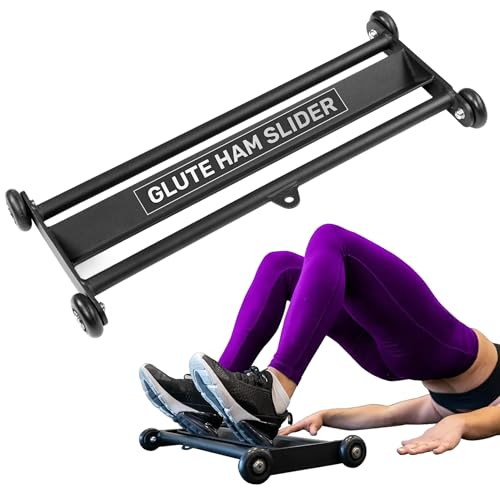
- Steel construction with a 440-pound recommendation
- Smooth wheels and heel/toe placement
- Supports glute, hamstring, ab, and upper-body work
Best For: Portable home gym training and quick setup
Best Full-Size GHD

- Four ankle and ten leg adjustment positions
- Supports GHD, back, hip, and core exercises
- Wheels and upright storage improve usability
Best For: Adjustable posterior-chain and core training
Best Heavy-Duty Glider

- Welded steel frame supports up to 600 pounds
- Four rubber wheels provide smooth rolling
- V-bars secure heel and toe placement
Best For: Compact high-capacity home or commercial gym use
Adjustable Stability Pick
TDS Adjustable Glute and Ham Developer
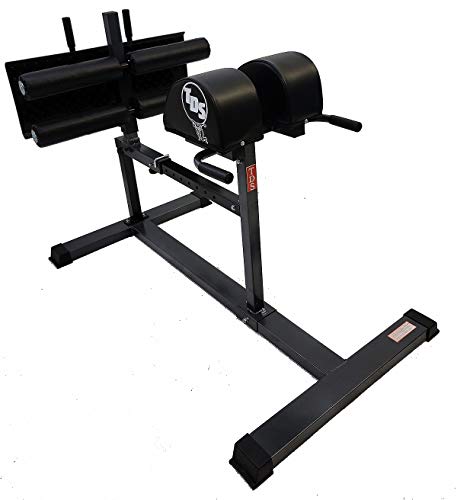
- Horizontal and vertical positioning adjustments
- Extra-wide toe plate with four deluxe rollers
- Heavy steel construction for stable training
Best For: Home or serious training spaces needing an adjustable, full-size GHD
Compact Roller Option
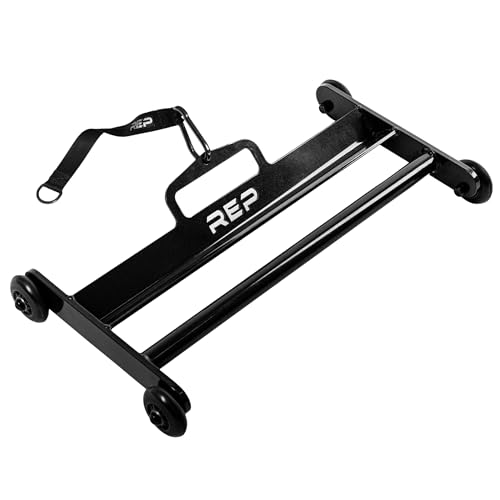
- Supports glute ham raises, leg curls, and ab rollouts
- Compact design for space-conscious home gyms
- Works with bodyweight, bands, or added equipment
Best For: Home users prioritizing versatility and minimal storage space
Feature-Rich Training Pick
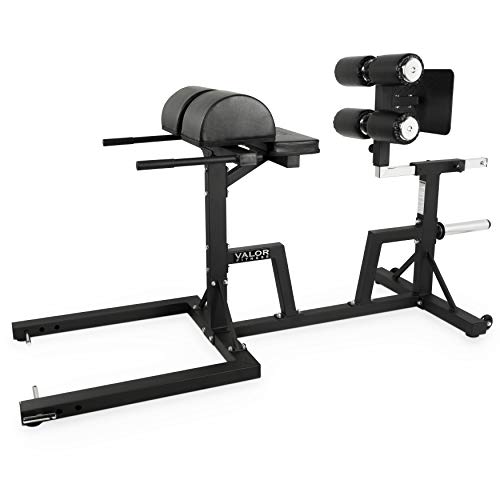
- Ten adjustment settings accommodate different athletes
- Includes padding, band pegs, plate storage, and wheels
- Supports a broad range of GHD and core exercises
Best For: Athletes wanting a versatile, adjustable full-size training station
Best Overall – Titan Fitness Adjustable GHD
If you want a full-size glute ham developer with split pad-style adjustability for varied body sizes, the Titan Fitness GHD offers a sturdy, versatile setup for posterior-chain and core training. Its 10 adjustment settings, large padding, and wide steel base make it suitable for demanding home or commercial-gym workouts.
Best For: Lifters seeking an adjustable, freestanding GHD for glute-ham work, back-focused movements, and high-range sit-ups.
Pros:
- Ten pop-pin adjustment settings accommodate different athletes.
- Supports glute, hamstring, lower-back, and abdominal exercises.
- Wide powder-coated steel base has a stated 350-pound capacity.
- Large padding, ankle rollers, and transport wheels improve usability.
Cons:
- At about 190 pounds, it is a substantial piece of equipment.
- The supplied dimensions are listed as 1 x 1 x 1 inches, so space planning is unclear.
This is the strongest all-around option in the group when adjustability, padding, and freestanding stability matter more than a compact footprint.
Best Compact Option – Glute Ham Glider Roller
For shoppers searching for a compact glute ham developer with split pad-style lower-body positioning, this glider takes a simpler approach than a traditional GHD. Its wheels and V-shaped bar support hamstring curls, glute bridges, split squats, crunches, and ab rollouts without assembly.
Best For: Home users who want a portable roller for lower-body and core exercises rather than a full-size GHD station.
Pros:
- Compact 27.5-by-15-by-15-inch design weighs about 5.85 kilograms.
- Three-inch urethane wheels are designed for smooth rolling.
- V-shaped bar helps secure heels or toes during several exercises.
- Steel-tube construction has a stated 500-pound maximum recommendation.
Cons:
- It does not provide the full bench, ankle-roller, or adjustment structure of a conventional GHD.
- The product is better suited to rolling movements than traditional GHD extensions and sit-ups.
This is the practical pick for limited spaces and movement variety, but shoppers wanting a conventional split-pad GHD should consider a larger machine.
Best Rack Attachment – FAGUS H Adjustable GHD
This FAGUS H model is a glute ham developer with split pad-style support designed to attach to a 3-by-3-inch power cage. Fourteen adjustment settings, large layered pads, and band pegs give rack owners a highly configurable way to add posterior-chain and core training without buying a separate freestanding frame.
Best For: Power-cage owners who want a high-capacity GHD attachment for back extensions, hip extensions, sit-ups, and related movements.
Pros:
- Designed for 3-by-3-inch power cages.
- Fourteen pop-pin settings allow extensive height adjustment.
- Stated 800-pound capacity supports heavy users or loading.
- Large dual-layer padding includes an 8-inch thigh cushion and 2-inch knee platform.
Cons:
- It requires a compatible power cage rather than operating as a standalone unit.
- The supplied listing identifies the color as red, which may not suit every gym setup.
If you already own the right rack, this attachment offers the most adjustment and highest stated capacity in the roundup while conserving floor space.
Best Simple Freestanding Pick – Fitness First GHD
Fitness First Glute Ham Developer - Unisex Adult - Black - 63 x 40 x 45 inches
Check Price On AmazonThe Fitness First model is a straightforward glute ham developer with split pad-style positioning for buyers who want a basic freestanding station. Its solid-steel construction, foam padding, and rubber handles focus on essential glute and hamstring training without the extensive adjustment details found on some competing machines.
Best For: Users seeking a simple steel GHD for fundamental glute and hamstring workouts.
Pros:
- Solid-steel construction is intended for regular workout use.
- Foam padding adds comfort during training.
- Rubber handles provide additional holding support.
- Large listed footprint measures 63 by 40 by 45 inches.
Cons:
- The supplied notes do not specify adjustment settings or a weight capacity.
- Its listed dimensions indicate a significant floor-space requirement.
- Exercise details are limited compared with more feature-rich alternatives.
This option suits buyers who prioritize a basic steel frame and padding, but confirm fit and capacity details before choosing it for heavier or highly customized training.
Best Compact Glider – Bells of Steel Glute Ham Glider
The Bells of Steel Glute Ham Glider is a compact option for anyone seeking a glute ham developer with split pad-style heel and toe placement. Its steel frame, smooth-gliding wheels, built-in handles, and resistance-band hook support hamstring, glute, abdominal, and upper-body training.
Best For: Home gym users who want a portable, multifunctional glider that arrives fully assembled.
Pros:
- Solid alloy-steel construction with a 440-pound maximum weight recommendation.
- Smooth-gliding wheels accommodate heel or toe placement.
- Supports hamstring curls, ab work, single-leg glider movements, and upper-body exercises.
- Built-in hook allows resistance bands or cables to add intensity.
Cons:
- Its compact glider format does not provide the larger padded platform of a traditional floor GHD.
- Exercise versatility depends on using floor-based movements rather than a fixed developer station.
This is a practical pick when portability and quick setup matter more than a full-size GHD frame. It arrives fully assembled and measures just 25.75 by 11 by 2.5 inches.
Best Full-Size GHD – Titan Fitness Floor GHD
The Titan Fitness Floor GHD is the strongest traditional choice here for shoppers comparing a glute ham developer with split pad-style adjustability. It provides four ankle positions, ten leg positions, and a wide steel base for glute-ham raises, back extensions, hip extensions, and GHD sit-ups.
Best For: Lifters who want an adjustable floor GHD for structured posterior-chain and core training.
Pros:
- Four ankle positions and ten leg positions accommodate different body types.
- Heavy-duty steel construction and a wide base support controlled repetitions.
- Built-in hand grips and wheels make repositioning easier.
- Stores upright on its plate to reduce its floor footprint.
Cons:
- At 100 pounds and 75 inches deep, it requires considerably more space than a compact glider.
- The listed maximum weight recommendation is 260 pounds, lower than some alternatives.
Choose this model if adjustability and a stable, full-size station are priorities. Its multiple leg and ankle settings make it more adaptable than a basic floor glider, while upright storage helps when the workout area is shared.
Best Heavy-Duty Glider – SELEWARE Glute Ham Glider
The SELEWARE Glute Ham Glider is a heavy-duty option for shoppers seeking a glute ham developer with split pad-style foot positioning in a compact format. Its welded steel frame, four rubber wheels, V-shaped heel and toe bars, and resistance-band compatibility support hamstring, glute, abdominal, and upper-body workouts.
Best For: Home or commercial gym users who want a compact glider with a high listed weight capacity and multiple exercise options.
Pros:
- Thickened, fully welded steel construction supports up to 600 pounds.
- Four 3-inch rubber wheels are designed for smooth rolling.
- V-shaped bars and a center crossbar help secure heels and toes.
- Compact, portable, and ready to use without assembly.
Cons:
- It is a floor-based glider rather than a full-size padded GHD station.
- The compact design may offer less positioning support than a traditional developer.
The SELEWARE stands out for its combination of portability, a 600-pound listed capacity, and secure V-bar design. It is a sensible choice for users who need a ready-to-use glider that can move between spaces and accept added band resistance.
Adjustable Stability Pick – TDS Adjustable Glute and Ham Developer
If you want a traditional glute ham developer with split pad-style adjustability, the TDS Adjustable Glute and Ham Developer emphasizes positioning, support, and a stable base. Its horizontal and vertical adjustments can accommodate different body types and exercise variations.
Best For: Lifters who want a heavy, adjustable GHD for glute, hamstring, lower-back, and abdominal training.
Pros:
- Horizontal and vertical slide adjustments support varied body types and movements.
- Extra-wide diamond toe plate and four deluxe rollers provide substantial foot support.
- Heavy steel-tube construction and front and rear hand grips promote stability and control.
Cons:
- Its 60-by-36-by-47-inch footprint may require considerable gym space.
- At approximately 130 to 160 pounds, it is not a lightweight machine to reposition frequently.
The TDS is a practical choice when adjustability and a substantial steel frame matter more than portability. Measure your available space before buying.
Compact Roller Option – REP Fitness Glute Ham Roller
For shoppers seeking a compact alternative to a glute ham developer with split pad, the REP Fitness Glute Ham Roller combines rolling movements with posterior-chain and core exercises. Its small footprint makes it especially suitable for space-conscious home gyms.
Best For: Home-gym users who want portable glute, hamstring, ab, and hip-extension training equipment.
Pros:
- Supports leg curls, glute ham raises, ab rollouts, and hip extensions.
- Compact 25-by-4-by-13-inch design is easier to store than a full-size GHD.
- Steel construction, high-performance wheels, and a listed 600-pound maximum recommendation provide a sturdy platform for a roller.
- Can be used with bodyweight, resistance bands, a weight vest, or a GHD bench.
Cons:
- It is a roller rather than a conventional padded GHD machine.
- It weighs 20.5 pounds, so setup and exercise feel may differ from a fixed-frame developer.
The REP roller is best viewed as a flexible, space-saving training tool rather than a direct replacement for a traditional GHD. It is a strong fit when versatility and storage convenience are priorities.
Feature-Rich Training Pick – Valor Fitness Adjustable GHD
The Valor Fitness Adjustable GHD is a full-size option for shoppers comparing a glute ham developer with split pad features and broader training accessories. It combines multiple adjustment points with padded ankle support, band pegs, plate storage, and transport wheels.
Best For: Athletes and home-gym owners wanting a versatile, adjustable machine for posterior-chain and core training.
Pros:
- Supports glute ham raises, back and hip extensions, GHD sit-ups, reverse hypers, and core exercises.
- Six horizontal and four vertical settings help tailor positioning and range of motion.
- Dual-layer padding, padded ankle rollers, a steel footplate, and handles support comfort and control.
- 400-pound capacity, Olympic plate storage, band pegs, and transport wheels add practical versatility.
Cons:
- Its 82-inch depth requires substantial floor space.
- At 122 pounds, it is substantial even with transport wheels.
- The supplied dimensions and features indicate a dedicated machine rather than a compact training aid.
The Valor stands out for buyers who want one adjustable station to cover several exercises and support progressive resistance. Confirm that its long footprint fits your training area.
How We Picked the Best Glute Ham Developer with Split Pad
We focused on the features that matter most during repeated lower-body and posterior-chain training: pad comfort, adjustment range, frame strength, footplate design, stability, and ease of setup. We also considered whether each machine supports more than one movement, such as glute-ham raises, hamstring curls, back extensions, hip extensions, and abdominal work.
For home gyms, footprint and storage features received extra attention. Wheels, band pegs, plate storage, and compatibility with an existing rack can make a substantial difference when floor space is limited. Product descriptions and listed specifications were compared, but buyers should confirm dimensions, weight capacity, and included hardware before ordering.
Quick Comparison
| What to Compare | Best For | Why It Matters |
|---|---|---|
| Full-size adjustable GHD | Dedicated strength spaces | Usually offers the most stability and positioning range. |
| Floor GHD | Lower-profile home setups | Can be easier to store while still supporting key movements. |
| Glute ham glider | Compact, versatile training | Often adds rolling ab and hamstring exercises with a smaller footprint. |
| Rack-compatible model | Power-cage owners | Uses existing equipment and may reduce total space requirements. |
Key Buying Factors for a Glute Ham Developer with Split Pad
Pad Design and Adjustability
A split pad should provide secure support without forcing your hips or knees into an awkward position. Look for independent or clearly adjustable pad sections, multiple height settings, and enough padding for controlled repetitions. Check the adjustment mechanism for locking pins, knobs, or other hardware that can be changed quickly between users.
Stability and Frame Construction
Heavy steel construction generally improves confidence during explosive or slow eccentric work. A wide base, non-slip feet, and a solid footplate help prevent rocking. If you plan to use added resistance, verify the machine’s rated capacity and consider whether your floor needs protective matting.
Footplate, Rollers, and Range of Motion
The footplate should hold your feet firmly and allow a natural starting position for glute-ham raises. On glider-style machines, inspect wheel size, axle construction, and the surface requirements. Smooth rollers are helpful, but they should not compromise control or stability.
Footprint and Storage
Measure both the assembled footprint and the clearance needed to mount, dismount, and fully extend your body. Wheels, folding features, vertical storage, and plate pegs are useful in smaller rooms, while a dedicated full-size unit may be preferable for a permanent training area.
Who Should Buy Which Glute Ham Developer with Split Pad?
Choose a full-size adjustable GHD if you want maximum stability and perform glute-ham raises or back extensions regularly. A floor GHD is a practical choice when you want a lower-profile station that is easier to move or store. Rack-compatible equipment suits lifters who already own a 3-by-3 power cage and want to avoid another large standalone frame.
Choose a glute ham glider if versatility and portability matter more than the feel of a traditional GHD. These models can suit apartment gyms, beginners, and users who want abdominal and rolling exercises alongside hamstring work. Whichever style you select, prioritize secure positioning and correct dimensions over extra attachments you may rarely use.