A freestanding belt squat machine can help you train legs hard while reducing spinal loading and keeping setup simple. That makes it a smart option for lifters who want strong lower-body work without relying on a barbell on the back.
Below, we’ve narrowed the field to 10 standout picks for different spaces, budgets, and training styles, from portable stations to heavy-duty commercial designs.
Best 10 Freestanding Belt Squat Machine Picks for 2026
Compact Commercial Pick
GFF Freestanding Commercial Belt Squat Machine

- Vertical storage saves floor space.
- Casters make repositioning easier.
- Rated up to 400kg with 50mm plates.
Best For: Space-conscious lifters needing a movable commercial-style setup
Versatile Cable Option
THEFITGUY Multi-Attachment Belt
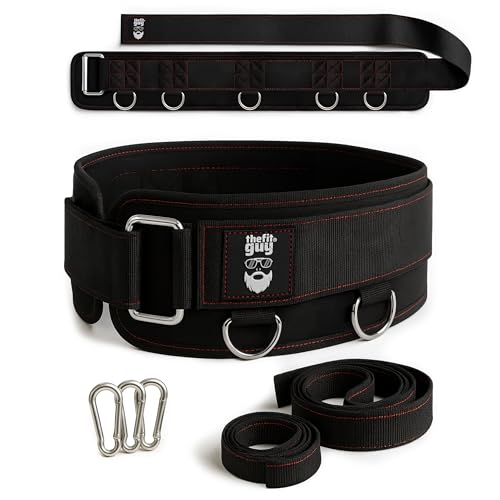
- Five D-ring points for different cable angles.
- Fits 32-52 inch waists.
- Works with many pulley-based gyms.
Best For: Cable machine users wanting a squat and hip thrust belt
Heavy-Duty Home Gym Choice

- 11-gauge steel frame with 1000 lb capacity.
- Adds leg press and other lower-body movements.
- Built-in plate storage helps organize the gym.
Best For: Home gym buyers wanting a high-capacity multi-function machine
Portable Training Station
Squat Box PRO Portable Belt Squat Station

- Compact build stores and transports easily.
- Pulley system delivers smooth resistance.
- Stabilizing handlebar aids heavier lifts.
Best For: Lifters who need a compact, portable squat station
Universal Heavy-Duty Attachment
Adjustable Rack-Compatible System
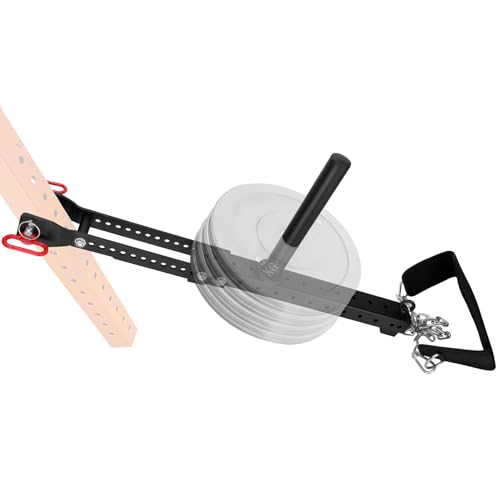
- 1100 lb capacity for heavy lifting
- Fits 2"x2", 2"x3", and 3"x3" racks
- No assembly required
Best For: Lifters with a compatible rack who want a durable belt squat setup
Portable Cable-Ready Platform

- Works with cable machines or resistance bands
- Anti-slip footing and rubber base
- Commercial-grade pulley
Best For: Home gyms needing a portable belt squat solution
Low-Profile Support Belt
TheFITGUY Original Belt Squat Belt

- Low-profile straps stay out of the way
- Reinforced back support for stability
- Secure metal buckle with adjustable fit
Best For: Lifters upgrading comfort and support on existing belt squat setups
Rack-Ready Adjustable Belt Squat Attachment
Adjustable rack-mounted belt squat attachment

- Fits 3"x3" and 2"x2" power racks
- 28" to 46.5" adjustable lever arms
- Works for belt squats, rows, curls, and guided deadlifts
Best For: Home gym users with a compatible rack who want a versatile attachment
Barbell-Mounted Belt Squat Adapter
Olympic barbell belt squat attachment

- Fits 2-inch Olympic barbells
- High-strength steel rated to 500 lbs
- Multiple holes and accessory options
Best For: Lifters who already use an Olympic barbell and want a compact belt squat add-on
Low-Profile Heavy-Duty Belt
Supportive belt for belt squat setups

- Low-profile straps stay flat during squats
- 5-panel EVA back adds lumbar support
- Designed for belt squat machines and lever arms
Best For: Lifters who want a purpose-built belt for belt squat training
Compact Commercial Pick – GFF Freestanding Commercial Belt Squat Machine
If you want a freestanding belt squat machine that’s built for a tighter training area, this GEAR FOR FIT unit stands out for its vertical storage and caster base. It’s designed to move easily, which makes it practical for home or shared gym spaces where you may need to roll it aside or swap attachments.
Best For: Lifters who want a portable, space-conscious belt squat setup with commercial-style loading capacity.
Pros:
- Vertical storage helps it fit in space-constrained environments.
- Base casters make it easier to move around the gym.
- Supports up to 400kg with 50mm plates or 250kg with 25mm sleeves.
- Includes the base, belt squat attachment, and belt with chain.
Cons:
- At about 70 lbs, it is still a substantial piece of equipment.
- Loading capacity depends on the sleeve size you use.
Overall, this is a straightforward pick if you want a freestanding belt squat machine that balances portability with serious lower-body loading potential.
Versatile Cable Option – THEFITGUY Multi-Attachment Belt
This is not a standalone freestanding belt squat machine, but it can be a useful add-on for cable-based squat and hip thrust work. If your setup includes a pulley machine, this belt gives you multiple attachment points and strap options for experimenting with different cable angles.
Best For: Gym owners or home users who already have a cable machine and want a belt for squats and hip thrusts.
Pros:
- Designed for cable squats and cable hip thrusts.
- Five D-ring attachment points plus 2 straps and 3 metal hooks.
- Fits waists from 32 to 52 inches.
- Works with single and dual pulley machines, classic machines, and smart gyms.
Cons:
- Requires a compatible cable machine, so it is not a complete squat station.
- Built for cable resistance work, not as a dedicated dip belt.
If you already own pulley equipment, this belt is a flexible way to expand lower-body training without buying a full machine.
Heavy-Duty Home Gym Choice – Mikolo Belt Squat Machine
For buyers looking for a freestanding belt squat machine with more of a heavy-duty home gym feel, the Mikolo model is built around a 1000 lb capacity and 11-gauge steel frame. It also adds leg-press functionality and multiple movement options, so it can do more than basic belt squats.
Best For: Home gym users who want a high-capacity, multi-use lower-body machine.
Pros:
- 11-gauge steel construction with a 1000 lb maximum weight recommendation.
- Includes a weightlifting belt and hardware with the machine.
- Gritted pedals and 3 weight stop positions add safety and adjustability.
- Built-in plate storage helps keep the space organized.
Cons:
- Its footprint is sizable at 81.8 x 52.3 x 39 inches.
- Heavier, more permanent equipment than a compact portable option.
Bottom line: this is a strong choice if you want one machine that can handle serious loading and support several lower-body movements.
Portable Training Station – Squat Box PRO Portable Belt Squat Station
If portability matters most, this portable belt squat station is aimed at compact storage and easy transport. It uses a built-in pulley system for consistent resistance and includes removable weight horns, making it a practical fit for lifters who want a smaller footprint than a full-size machine.
Best For: Users who want a compact belt squat station with added balance support and simple storage.
Pros:
- Compact, lightweight design is easy to store and move.
- Built-in pulley system provides smooth, consistent resistance.
- Removable weight horns can hold up to six 45-pound plates.
- Stabilizing handlebar attachment adds extra balance during heavy lifts.
Cons:
- Total safe lifting capacity is lower than larger commercial belt squat machines.
- Uses cable/pulley straps rather than a more traditional fixed-frame layout.
This is a sensible pick if you want a portable belt squat solution that still offers useful support features and multiple training options.
Universal Heavy-Duty Attachment – Adjustable Rack-Compatible System
If you want a freestanding belt squat machine alternative that can turn an existing rack into a lower-body station, this universal belt squat attachment is built for that job. It uses a heavy steel frame, a 1100 lb weight capacity, and multiple adjustment points to fit common 2″x2″, 2″x3″, and 3″x3″ uprights, making it a practical pick for lifters who want strength and flexibility without a complicated setup.
Best For: Lifters who already have a compatible rack and want a heavy-duty belt squat setup with broad adjustability.
Pros:
- 1100 lb weight capacity for heavy training
- Adjustable lever arms from 31.2″ to 45″
- Fits common 2″x2″, 2″x3″, and 3″x3″ racks
- No assembly required for faster setup
Cons:
- Attachment-style design, not a standalone machine
- Requires a compatible rack with the right hole sizes
This is a strong option if your priority is durability and compatibility. The included padded belt and versatile lower-body training options add value, but the biggest advantage is that it delivers belt squat functionality without demanding a full freestanding unit.
Portable Cable-Ready Platform – MX1182 Belt Squat Platform
This belt squat platform is a compact way to get belt squat work from a cable machine or resistance band setup. For buyers comparing a freestanding belt squat machine to a portable option, the MX1182 stands out for its anti-slip footing, commercial-grade pulley, and durable heavy sheet metal construction, all in a unit that is easy to move and use.
Best For: Home gym users who want a portable belt squat platform for cable machines or resistance bands.
Pros:
- Connects to a cable machine or resistance band
- Anti-slip platform with rubber footing
- Commercial-grade pulley for smoother operation
- Heavy sheet metal construction for durability
Cons:
- Depends on a cable machine or resistance band setup
- Not a full freestanding machine
The MX1182 makes sense if portability matters more than having a dedicated machine footprint. It brings several stability-focused features into a relatively light 31-pound package, which is appealing for smaller spaces or shared training areas.
Low-Profile Support Belt – TheFITGUY Original Belt Squat Belt
If you already own a belt squat machine or rack attachment, the right belt can make a big difference in comfort and control. TheFITGUY Original Belt Squat Belt is designed to stay low, move clean, and provide structured back support with padded contact zones and a secure buckle, making it a useful upgrade for heavier or longer sessions.
Best For: Lifters who need a supportive, low-profile belt for belt squat machines, racks, or lever arms.
Pros:
- Low-profile straps stay flat and out of the way
- Reinforced 5-panel EVA back adds structured lumbar support
- Adjustable inner strap with solid metal buckle for a secure fit
- Built for sessions up to 350 lbs
Cons:
- It is a belt, not a belt squat machine
- Weight support tops out at 350 lbs
This is the most focused option in the group for improving the feel of your belt squat setup. It is especially appealing if your current belt rides up or feels unstable, since the design prioritizes staying low and moving smoothly through the rep.
Rack-Ready Adjustable Belt Squat Attachment – Adjustable rack-mounted belt squat attachment
If you want a freestanding belt squat machine alternative that works with an existing rack, this adjustable belt squat attachment is built for flexibility. It fits 3″x3″ or 2″x2″ power racks and supports multiple hole sizes, while the 28″ to 46.5″ lever length helps you dial in positioning for different users and training styles.
Best For: Home gym owners who want a rack-mounted belt squat setup with adjustable fit and multiple exercise options.
Pros:
- Fits 3″x3″ and 2″x2″ power racks with 1/2″ or 5/8″ holes
- Adjustable lever arms from 28″ to 46.5″ for more setup flexibility
- Can be used for belt squats, curls, rows, and guided deadlifts
- Includes a 2-year warranty
Cons:
- Requires a compatible rack rather than working as a standalone unit
- At 7.51 kg, it is an attachment, not a full machine
Overall, this is a practical choice if you already have a compatible rack and want a versatile belt squat system without buying a dedicated machine. The flip-to-fit design and multiple adjustment points make it easier to tailor the setup to your space and body size.
Barbell-Mounted Belt Squat Adapter – Olympic barbell belt squat attachment
For lifters looking for a freestanding belt squat machine-style movement without adding a large standalone unit, this belt squat bar attachment is designed for 2-inch Olympic barbells. It uses high-strength steel, supports up to 500 lbs, and offers multiple holes so users of different heights can find a better fit.
Best For: Home gym users who want a barbell-based belt squat attachment with a heavy-duty load rating.
Pros:
- Designed for 2-inch Olympic barbells
- Made of high-strength steel with a 500 lb load capacity
- Multiple holes help accommodate different heights and sizes
- Compatible with several handle accessories for varied exercises
Cons:
- Depends on a compatible Olympic barbell setup
- Not a standalone belt squat machine
This is a straightforward option if you already train with an Olympic barbell and want to add belt squats to your home gym. It keeps the setup compact while still giving you room for accessory-based exercises.
Low-Profile Heavy-Duty Belt – Supportive belt for belt squat setups
If you need a freestanding belt squat machine accessory that keeps the belt low and stable, this heavy-duty belt is built for belt squats, rack work, and lever arms. The 57-inch length, padded 5-panel EVA back, and secure metal buckle are all aimed at keeping the belt in place and supporting hard training sessions.
Best For: Lifters who want a supportive, low-profile belt designed specifically for belt squat machines and lever arms.
Pros:
- Low-profile 2.36″ padded side straps stay flat during sets
- Reinforced 5-panel EVA back adds structured lumbar support
- Adjustable 2″ inner strap and metal buckle help lock in fit
- Built for belt squat machines, racks, and lever arms
Cons:
- Supports up to 350 lbs, which may not suit every lifter
- 57″ length may require a platform or blocks for flat ground use
Compared with basic lifting belts, this one is purpose-built for belt squat training and aims to stay out of the way when the load gets heavy. The longer design and secure fit make it a strong pick if comfort and depth matter in your setup.
How We Picked the Best Freestanding Belt Squat Machine
We focused on build quality, weight capacity, footprint, setup convenience, and how well each option supports consistent lower-body training. For a Freestanding Belt Squat Machine, the best choices also need stable platforms, secure belt interfaces, and enough adjustability to suit different body types and training goals.
We also considered whether a model is better for home gyms or commercial use, since portability and heavy-duty construction rarely matter equally.
Quick Comparison
In this roundup, you’ll see a mix of true standalone stations, compact portable platforms, and attachment-based systems that offer belt squat benefits with less floor space. If you want a dedicated solution, prioritize stability and load handling; if you need flexibility, a portable or rack-compatible setup may make more sense.
Key Buying Factors for Freestanding Belt Squat Machine
Stability and Base Design
The platform should stay planted during heavy reps, especially at the bottom of the squat. Wider bases, grippy feet, and solid frame geometry matter more than flashy extras.
Weight Capacity
Choose a capacity that leaves room above your current loading needs. A higher-rated machine usually gives more confidence for progressive overload and shared gym use.
Belt Comfort and Connection
A good belt system should distribute pressure evenly across the hips and lower torso without digging in or slipping. Adjustable straps and secure attachment points improve both comfort and repeatability.
Footprint and Storage
If space is limited, measure carefully. Some Freestanding Belt Squat Machine designs are compact enough for garage gyms, while others need more permanent floor space.
Compatibility and Versatility
Some units work only as dedicated machines, while others connect to racks, cable stations, or bars. Extra versatility can be a major advantage if your gym setup changes over time.
Who Should Buy Which Freestanding Belt Squat Machine?
Choose a commercial-style Freestanding Belt Squat Machine if you want maximum stability, heavy loading, and a fixed training station. Pick a portable platform if you need a smaller footprint or plan to move the unit between spaces.
If you already own a rack or cable machine, an attachment-based option may deliver the best value. And if comfort is your top concern, look closely at the belt design, since that can make a bigger difference than many buyers expect.