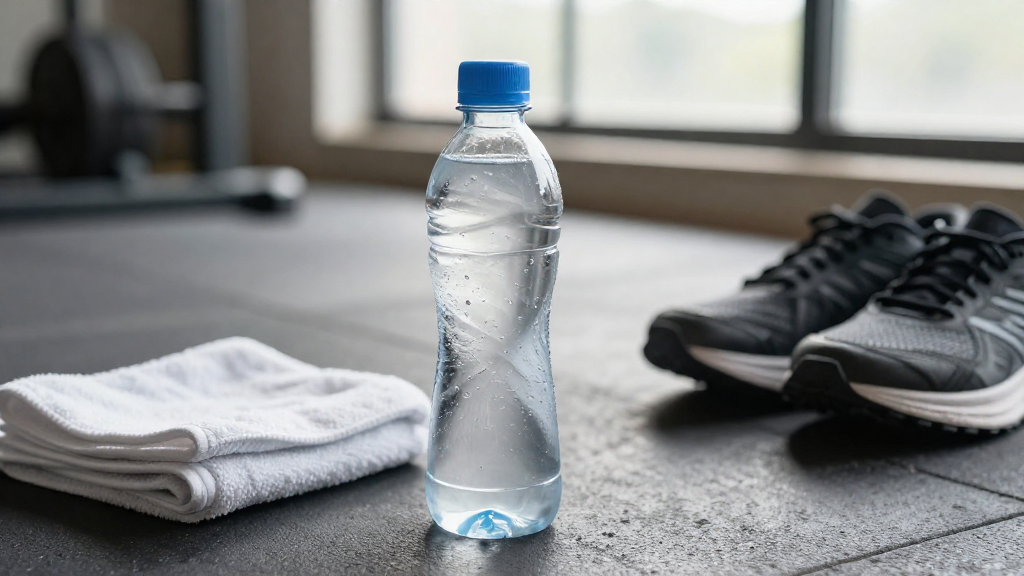
Staying hydrated during a workout is crucial for optimal performance, recovery, and overall health.
Achieving the right workout and hydration balance can significantly enhance your exercise experience and outcomes.
Why is Hydration Important During a Workout?
When you exercise, your body loses water through sweat and breathing.
Proper hydration helps you:
- Maintain body temperature
- Keep joints lubricated
- Transport nutrients for energy
- Remove waste products
Each of these factors affects your workout performance and recovery time.
Therefore, understanding how to maintain a good workout and hydration balance is essential.
How Much Water Do You Need Before, During, and After a Workout?
The amount of water you should drink varies based on several factors:
-
Duration of Exercise:
– For workouts lasting less than an hour, drink about 8 ounces of water before exercising.
– For extended workouts, aim for 16 ounces before you start and 8 ounces every 15-20 minutes during exercise. -
Intensity:
– More intense workouts lead to increased sweat loss.
– You may require additional fluids. -
Individual Needs:
– Everyone’s hydration needs are different.
– Factors include age, fitness level, and climate.
Quick Tip for Hydration Calculation
A simple way to estimate fluid loss during exercise is to “weigh in” before and after your workout.
If you lose weight, that’s generally a sign of fluid loss.
For every pound lost, aim to drink 16-20 ounces of water after exercising to restore the balance.
What Are the Signs of Dehydration During a Workout?
Dehydration can negatively impact your performance, leading to fatigue, impaired coordination, and essential bodily functions.
Look for these common signs during your workout:
- Thirst: An early indicator of dehydration.
- Dark Yellow Urine: Indicates concentrated urine and insufficient hydration.
- Dizziness or Light-headedness: A warning sign that your body needs fluids.
- Dry Mouth or Fatigue: Common symptoms indicating you may need to rehydrate.
By being proactive, you can prevent dehydration and maintain a healthy workout and hydration balance.
What Should You Drink During a Workout?
While water is often sufficient, especially for shorter workouts, here are diverse options to consider:
-
Water:
– Best for light to moderate activity lasting under an hour. -
Electrolyte Drinks:
– Beneficial for workouts longer than an hour, particularly in hot or humid conditions.
– Look for drinks containing sodium, potassium, and magnesium to replace lost electrolytes. -
Coconut Water:
– A natural alternative rich in potassium and electrolytes.
– Ideal for those who prefer a non-sweetened, less sugary drink. -
Sports Gels and Chews:
– Provide a quick source of energy and hydration without needing to drink large volumes. -
DIY Electrolyte Solution:
– Mix water, a pinch of salt, and a splash of juice or honey to create an effective hydration drink.
Note: Always check beverage labels for added sugars and artificial ingredients that may hinder your hydration efforts.
Is It Possible to Overhydrate?
Yes, it can happen!
Overhydration, or water intoxication, may lead to an imbalance of electrolytes in your body, resulting in conditions like hyponatremia.
To avoid this risk:
- Drink when you’re thirsty.
- Pay attention to your body’s signals.
- Maintain a balance of electrolytes alongside water.
How to Incorporate Hydration Practices into Your Routine?
Incorporating hydration practices into your workout routine can maximize your performance.
Here are some strategies:
- Pre-Hydrate:
-
Ensure adequate fluid intake 2-3 hours before exercise.
-
Set Hydration Reminders:
-
Use a timer or a hydration app during workouts to encourage regular sipping.
-
Use a Hydration Pack:
-
For endurance events, consider a hydration pack that allows easy access to water during your workout.
-
Track Your Intake:
- Keep a water bottle handy and measure how much you drink throughout your workout.
Incorporating these habits will ensure your workout and hydration balance is always optimized.
How Does Environment Affect Your Hydration Needs?
Environmental factors play a significant role in how much you need to drink before, during, and after workouts.
-
Heat and Humidity:
– Elevated temperatures increase sweat rates, necessitating more fluid intake. -
Altitude:
– At higher altitudes, you may lose more water through respiration, requiring additional hydration. -
Cold Weather:
– Although you’re less likely to sweat, hydration is still essential, as cold air can be dehydrating.
Quick Summary of Environmental Adjustments
- Hot Weather: Increase fluid intake by 30-50%.
- Cold Weather: Maintain regular intake, focusing on warm fluids if desired.
In Conclusion: What is the Key to Workout and Hydration Balance?
Maintaining a workout and hydration balance is pivotal to achieving your fitness goals.
Key takeaways include:
- Hydrate adequately before, during, and after your workout.
- Listen to your body’s signals for signs of thirst or dehydration.
- Choose the right beverages based on your exercise duration and intensity.
- Stay mindful of environmental factors that may influence your hydration needs.
By integrating these practices into your routine, you’ll experience improved performance, enhanced recovery, and overall well-being.
So, next time you hit the gym, remember the importance of hydration as you strive for that perfect workout and hydration balance!