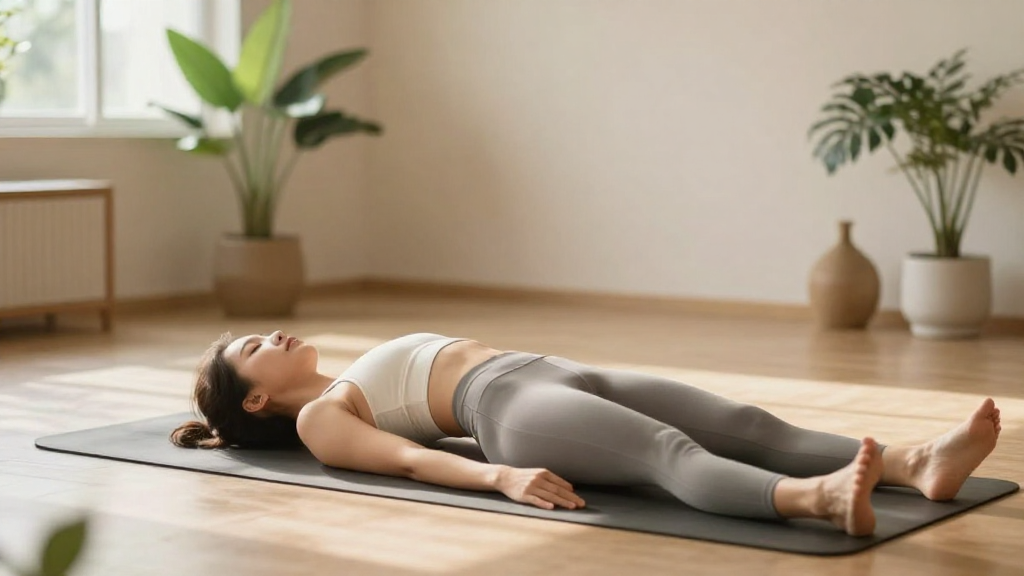
In a world where self-care practices are increasingly celebrated, workout as self-care stands out as a powerful method to nurture both the body and mind.
What Makes a Workout a form of Self-Care?
When we think of self-care, we often envision bubble baths, meditation, or enjoying a good book.
However, workout as self-care encompasses a broad range of activities that not only promote physical health but also contribute to mental and emotional well-being.
Here are some compelling reasons why integrating exercise into your self-care routine can be transformative:
-
Releases Endorphins: Exercise triggers the release of endorphins, often referred to as “feel-good” hormones that can lift your mood and reduce feelings of stress and anxiety.
-
Boosts Self-Confidence: Regular workouts can enhance your physical appearance and fitness levels, leading to improved self-esteem.
-
Promotes Better Sleep: Engaging in physical activity can help regulate your sleep cycle, enabling deeper and more restorative sleep — crucial for overall well-being.
-
Encourages Mindfulness: Many workouts require focus and concentration, allowing you to be present in the moment and reduce the clutter of daily thoughts.
-
Social Connection: Group workouts or fitness classes can provide a sense of community, helping you connect with others and combat feelings of loneliness.
How Does Regular Exercise Improve Mental Health?
Mental health benefits are often overlooked when discussing the importance of workout as self-care.
Regular exercise has been shown to have profound effects on mental well-being. Here’s how:
-
Reduces Symptoms of Depression and Anxiety: Studies show that physical activity can alleviate symptoms associated with both depression and anxiety disorders.
-
Enhances Cognitive Function: Regular workouts can improve memory, focus, and overall cognitive flexibility, making it easier to handle daily tasks.
-
Fights Stress: Exercise stimulates the production of norepinephrine, a neurotransmitter that helps manage stress responses.
Can a Workout Routine Help with Emotional Balance?
Absolutely! The role of workout as self-care extends to emotional stability and balance.
-
Channeling Emotions: Physical activity can serve as a healthy outlet for expressing and processing emotions, helping to prevent emotional climaxes.
-
Ritual and Routine: Establishing a consistent workout routine provides structure, which can help create a feeling of stability in your life.
-
Mind-Body Connection: Many workouts, such as yoga and pilates, focus on breathing and mindfulness, enhancing your emotional intelligence and awareness.
What Types of Workouts are Best for Self-Care?
The beauty of workout as self-care is its flexibility; there is no one-size-fits-all approach.
Here are various workout types that can serve as beneficial self-care practices:
-
Cardiovascular Exercise: Activities such as running, cycling, or swimming can help boost your heart health and release stress.
-
Strength Training: Building muscle not only enhances your physique but also fosters a sense of accomplishment and self-worth.
-
Yoga and Pilates: These practices increase flexibility and strength while promoting relaxation and mindfulness.
-
Dance Classes: Dancing can be a fun way to express emotions while getting a great workout.
-
Outdoor Activities: Hiking, walking, or biking in nature can enhance your mood and provide a fresh perspective.
How Do Workouts Foster a Sense of Community?
One of the underrated aspects of workout as self-care is its ability to build community.
When you engage in exercises with others, you benefit from shared experiences:
-
Group Classes: Participating in classes fosters camaraderie and can lead to long-lasting friendships.
-
Running Clubs: Joining a local running group can keep you motivated and provide accountability.
-
Online Communities: With the rise of social media, you can find virtual workout buddies to share experiences, tips, and motivation.
How Can You Make Workouts More Enjoyable for Self-Care?
Sometimes we associate workouts with effort and exhaustion.
However, workout as self-care should be enjoyable and sustainable. Here are ways to embrace your fitness journey with positivity:
-
Choose Activities You Love: Personal enjoyment is key; if you love what you do, it won’t feel like a chore.
-
Mix It Up: Variety can keep your routine exciting. Alternate between different types of workouts to combat monotony.
-
Set Achievable Goals: Celebrate small victories as you progress to encourage a sense of accomplishment.
-
Listen to Your Body: Pay attention to how your body feels and give it the rest it needs. Self-care is also about recovery.
What Are Some Self-Care Mindsets to Adopt with Workouts?
The mindset you bring to your workouts can drastically influence their effectiveness in your self-care journey.
Here are some mindsets that can enhance your experience:
-
Focus on the Journey: Appreciate the process of becoming fitter rather than fixating solely on goals.
-
Practice Gratitude: Be thankful for your body and its strength. This perspective can make workouts more fulfilling.
-
Self-Compassion: Understand that everyone has off days. Be kind to yourself if you miss a workout or don’t feel your best.
Conclusion: Why the Workout is the Ultimate Self-Care Practice
Workout as self-care is not just about building muscle or improving physical appearance; it is a holistic approach that nurtures mental and emotional well-being.
By incorporating workouts as a part of your self-care routine, you will experience positive changes in:
- Emotional stability
- Physical health
- Mental clarity
- Social connections
So, lace up those sneakers, clear your schedule, and prioritize your well-being through movement.
Your body — and mind — will thank you!