Can a workout influence your levels of gratitude?
Many people associate exercise with physical changes, but what if it could also boost your emotional state? This article explores the intriguing relationship between workout and gratitude, delving into how physical activity can foster a more grateful mindset.
How Does a Workout Influence Your Mood?
Exercise doesn’t just affect your body; it significantly impacts your mental well-being as well.
Studies show that regular physical activity leads to an improvement in mood and a reduction in symptoms of anxiety and depression.
When you engage in a workout, your body releases endorphins—chemicals that can help you feel happier and more positive.
Here’s how:
-
Endorphin Release: Exercise increases the production of endorphins, which are known as “feel-good” hormones. This natural boost can lead to stronger feelings of gratitude.
-
Stress Reduction: Regular workouts can decrease stress levels, making you more receptive to positive emotions like gratitude.
-
Increased Energy: Many people experience heightened energy levels after a workout, which can lead to a more positive mindset.
Can Physical Activity Enhance Gratitude?
Absolutely! The influence of workout on gratitude is supported by various psychological theories and research.
Engaging in physical activities often leads to a feeling of accomplishment.
This sense of achievement can help you appreciate your abilities and circumstances more fully.
Furthermore, here are some specifics on how regular exercise can enhance your sense of gratitude:
-
Mindfulness During Workouts: When you focus on your breathing or the rhythm of your movements during workouts, this mindfulness practice can shift your focus away from negativity toward finding joy in the present moment.
-
Social Connections: Many workouts are done in group settings, which fosters community and connection. Building relationships with others can enhance feelings of gratitude towards both yourself and those around you.
-
Improved Self-Esteem: Regular exercise can lead to better body image and self-perception. Feeling good about oneself can increase gratitude for one’s body and capabilities.
What Types of Workouts Promote Gratitude?
Not all workouts are created equal when it comes to boosting gratitude.
Certain types of exercises are particularly effective:
-
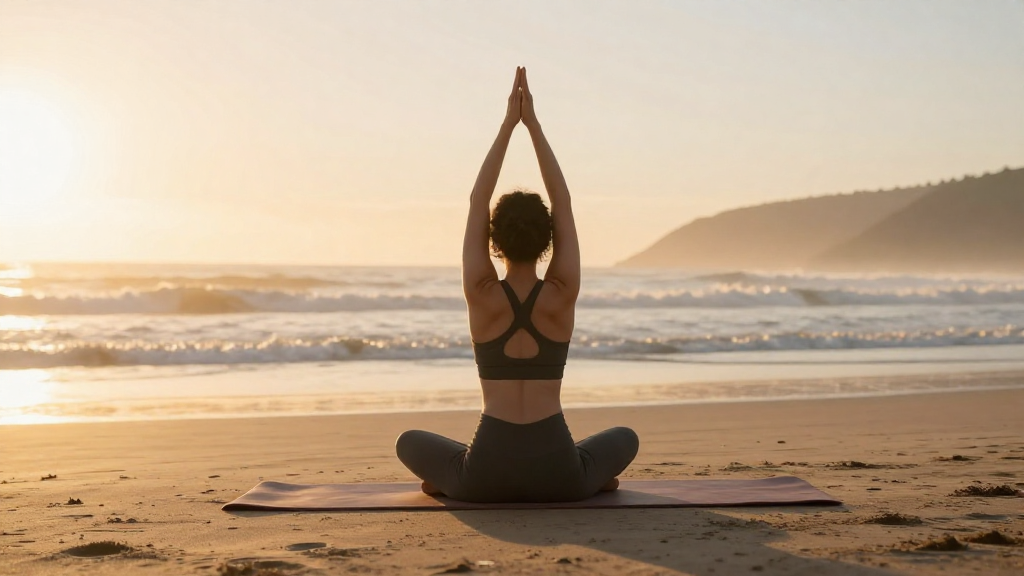
Yoga: This practice combines physical poses with mindfulness and breathing exercises, often leading to profound gratitude and emotional release.
-
Team Sports: Engaging in team activities connects you with others, fostering camaraderie and social support.
-
Walking in Nature: Simply put, spending time outdoors can enhance feelings of awe and gratitude for the beauty in your surroundings.
-
Strength Training: Lifting weights not only builds physical strength but also boosts mental resilience, helping you appreciate your progress.
How Can You Cultivate Gratitude After a Workout?
Finding a way to connect your workout with feelings of gratitude can amplify the benefits you receive from both.
Here are some strategies to help you nurture gratitude post-exercise:
-
Journaling: Immediately after your workout, jot down three things you’re grateful for. This simple practice reinforces positive emotions.
-
Meditation: Take a few minutes post-workout to meditate on your accomplishments and what you appreciate about your body’s ability to move.
-
Compliment Yourself: Acknowledge the effort you put into your workout. Recognizing your hard work can lead to greater appreciation for yourself.
-
Gratitude Apps: In our digital age, using an app dedicated to gratitude can help remind you to reflect on your workout and what you appreciate in your life.
Does Consistency Matter in Linking Workout and Gratitude?
The more consistently you engage in workouts, the more likely you are to experience heightened gratitude.
Here’s why:
-
Habit Formation: Regular exercise creates a habit that can lead to long-lasting positive changes in your mindset.
-
Cumulative Effect: Small, consistent workouts build physical endurance and mental strength over time, contributing to increased gratitude for the journey and the process.
-
Building a Resilient Mindset: Regularly engaging in physical activity not only trains your body but also your mind, helping you develop resilience and a more appreciative view of your life’s challenges.
What Science Says About Workout and Gratitude
Research increasingly supports the link between physical activity and emotional well-being.
Several studies have found that individuals who engage in regular exercise report higher levels of subjective well-being, including increased gratitude.
Ten fun facts about the science behind this connection:
-
Turkish Study: A study from Turkey revealed that college students who engaged in regular physical activity reported greater levels of gratitude.
-
Endorphins is Key: Studies confirm that endorphins create a natural high, which can contribute to a gratitude mindset after a workout.
-
Psychological Benefits: Research has shown that gratitude can lead to lower levels of cortisol (the stress hormone), enhancing the relaxing effects of exercise.
-
Community and Gratitude: Engaging in fitness activities in groups can lead to improved social bonds that increase feelings of thanks toward oneself and others.
-
Positive Affirmations: Combining workouts with reciting affirmations about what you’re grateful for can reinforce the connection between workout and gratitude.
-
Less Anxiety: Regular exercise is linked to reduced anxiety, opening up the mind to positive emotions like gratitude.
-
Neuroplasticity: Exercise promotes neuroplasticity, making your brain more adaptable to positive thinking and gratitude.
-
Self-Compassion: Workouts can teach resilience, fostering a sense of self-compassion that enhances gratitude for your life journey.
-
Increased Alertness: As brain function improves post-workout, many find themselves more aware of the positive aspects of their lives.
-
Long-Term Changes: Studies suggest the mental health benefits from regular exercise can lead to enduring changes in emotional well-being, including enhanced gratitude.
Conclusion: Can You Build More Gratitude Through Workouts?
The answer is a resounding yes!
Incorporating regular physical activity into your life can significantly enhance your sense of gratitude.
From the endorphin rush to improved relationships and self-esteem, the journey of a workout promotes not just a healthier body but also a thankful heart.
So next time you lace up your gym shoes or roll out your yoga mat, remember that your workout can serve as a powerful tool for cultivating gratitude.
Engage fully in the experience, practice mindfulness, and appreciate the moment.
Through this fusion of workout and gratitude, you can transform both your physical and emotional health in remarkable ways.