Have you ever wondered if it’s possible to workout without sweat?
Many people associate workouts with profuse sweating, but the truth is, there are ways to get your body moving and improve your fitness without breaking into a sweat.
In this article, we’ll explore various low-impact exercises, the science behind sweating, and tips for effectively working out without experiencing excessive perspiration.
What is Sweating and Why Does it Happen?
Sweating is a natural response of the body to regulate temperature.
When you exercise, your body generates heat, and sweating helps cool you down.
However, the amount you sweat varies widely among individuals and can depend on several factors, including:
- Fitness Level: Fitter individuals may sweat more efficiently.
- Environment: Hot and humid conditions can increase sweating.
- Clothing Choices: Certain fabrics can trap heat, leading to more perspiration.
- Genetics: Some people are naturally predisposed to sweat more than others.
How Can You Workout Without Sweat?
So how can you workout without sweat?
Here are some effective exercises and strategies to consider:
1. Choose Low-Impact Activities
Low-impact workouts are great for avoiding sweat while still maintaining a good fitness routine.
Consider these low-impact options:
- Walking: A leisurely stroll in a cool environment can be refreshing and low-sweat.
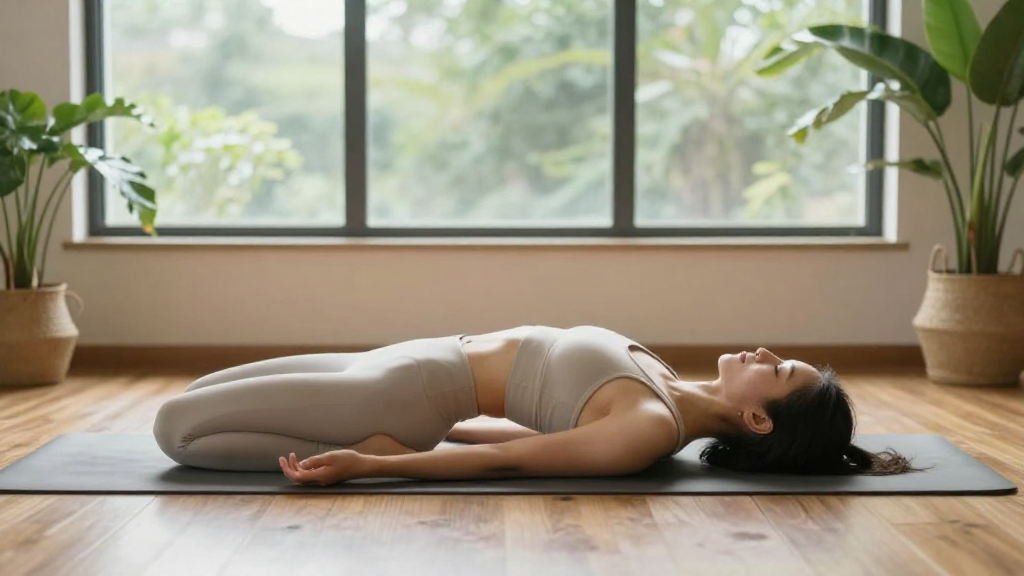
- Yoga: Gentle yoga classes can improve flexibility and strength without excessive sweating.
- Pilates: This strength workout focuses on core muscles and can often be done without generating too much heat.
- Tai Chi: This flowing form of exercise emphasizes slow movements and balance.
2. Focus on Stretching
Stretching is not only beneficial for promoting flexibility but is also a very low-sweat workout.
Here are some stretching techniques that can help you improve your flexibility without breaking a sweat:
- Static Stretching: Hold stretches for 15-30 seconds without any bouncing.
- Dynamic Stretching: These active movements help warm up the muscles while keeping the intensity low.
3. Interval Training at a Chill Speed
You can incorporate interval training by alternating between periods of activity and rest.
Keep the intensity low to avoid breaking a sweat.
For example, try:
- Gentle cycling on a stationary bike
- Walking quickly for one minute, followed by three minutes of slow walking
4. Embrace Water Workouts
Water-based exercises often result in less sweating thanks to the buoyancy of water which cools your body.
Exercises like:
- Swimming: A great full-body workout that typically doesn’t lead to visible sweat.
- Aqua aerobics: Engaging in movements against the resistance of water without the perspiration.
5. Practice Mindfulness Exercises
Mindfulness exercises, such as meditation and breathing techniques, can have immense benefits for your mind and body.
Plus, these are done without physical exertion resulting in sweat.
Consider:
- Guided meditation: Focus on relaxation and awareness.
- Breathing exercises: Simple practices that can help reduce stress while avoiding sweat.
6. Set the Environment Right
The environment plays a crucial role in how much you sweat during workouts.
Consider these tips for controlling your workout environment:
- Temperature Control: Exercise in a cool room or outdoors in the morning or evening.
- Proper Ventilation: Ensure good airflow to help you maintain a comfortable body temperature.
- Hydration: Keep yourself hydrated, as proper hydration can help regulate body temperature.
7. Consider Your Clothing
The clothes you wear can significantly affect how much you sweat during your workout without sweat.
Opt for:
- Moisture-wicking fabrics: They draw sweat away from your body and help keep you cool.
- Loose-fitting attire: It promotes airflow, making it less likely for sweat to accumulate.
Is a No-Sweat Workout Effective?
You may be wondering if a workout without sweat can still be effective.
The answer is yes!
Low-intensity workouts, if done consistently, can lead to numerous health benefits, such as:
- Improved cardiovascular health
- Increased muscle strength and endurance
- Enhanced flexibility and balance
- Stress relief and mental clarity
How to Track Progress without Sweating
Tracking your fitness progress can often feel tied to how sweaty you get during workouts.
Instead, you can monitor improvement through:
- Increased flexibility: Measure progress in your stretching routine.
- Improved endurance: Note how long you can maintain an activity like walking or yoga without fatigue.
- General well-being: Focus on how you feel mentally and physically instead of the amount of sweat produced.
What to Keep in Mind
Working out without sweat doesn’t mean you’re slacking off.
It can mean that you’re adopting a smart approach to fitness.
Here are some considerations:
- Listen to Your Body: Always prioritize your body’s signals; don’t push it past its limits.
- Modify Exercises: There’s no shame in modifying workouts to suit your comfort level.
- Find What You Love: Discover activities that you enjoy and that keep you engaged without feeling overwhelmed.
Conclusion
In conclusion, workout without sweat can be a very real and effective method of maintaining your fitness level.
By incorporating low-impact activities, focusing on the environment, making appropriate clothing choices, and embracing mindfulness practices, you can stay active without the inconveniences of sweat.
Remember, the goal is to find a healthy balance that works for your lifestyle.
So get moving, try out a few of these sweat-free exercises, and enjoy the benefits of a healthier you!