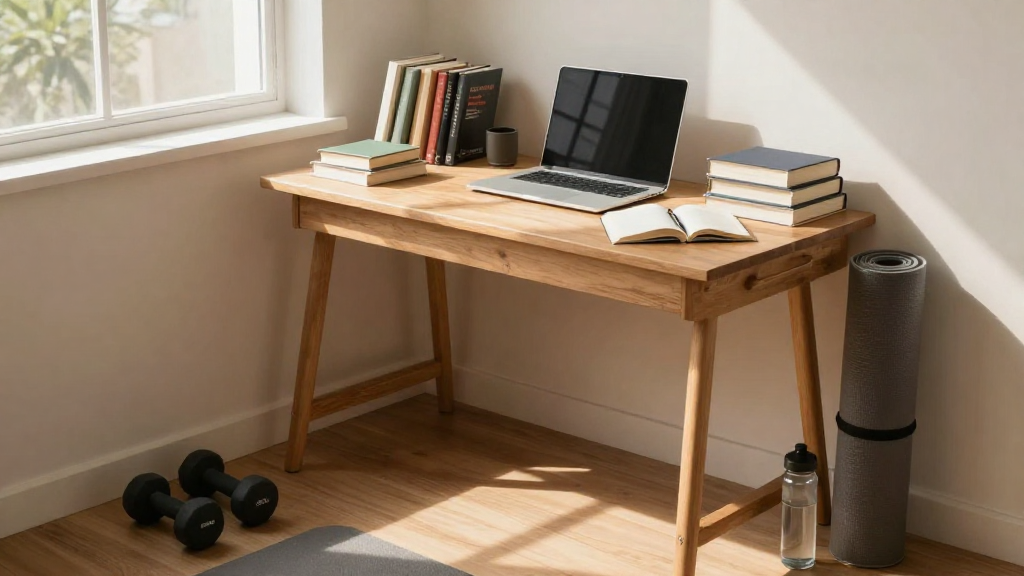
In today’s fast-paced academic environment, it’s crucial to maximize your time efficiently. One effective way to do this is by incorporating a workout during study breaks. This not only revitalizes your mind but also enhances your focus and productivity. But what quick workouts can you actually do while you’re buried in textbooks or lecture notes?
Why Should You Work Out During Study Breaks?
Engaging in quick workouts during study breaks serves multiple purposes:
-
Boosts Energy Levels: Physical activity increases blood flow, which can help you feel more awake and alert.
-
Enhances Focus: Quick workouts release endorphins, leading to improved concentration when you return to your studies.
-
Reduces Stress: Exercise is a proven stress reliever. It helps you manage anxiety commonly associated with exams and deadlines.
-
Increases Retention: Studies suggest that short bursts of exercise can enhance cognitive function and memory, which is beneficial during intense study sessions.
What Types of Quick Workouts Can You Do?
When it comes to workouts during study breaks, variety is key. Here are some effective and quick exercises that require little to no equipment:
1. Can You Do a Full-Body Workout in 5 Minutes?
Absolutely! A 5-minute full-body workout can include:
-
Jumping Jacks (1 minute): A great whole-body exercise to get your heart rate up.
-
Push-Ups (1 minute): Works your upper body and core. Modify by doing them on your knees if necessary.
-
Squats (1 minute): Strengthens your legs and glutes.
-
Plank (1 minute): Tones your core and improves stability.
-
Mountain Climbers (1 minute): A cardio workout that also engages your entire body.
2. What About Strength Training?
Strength training can also fit into your study breaks. Try these quick exercises:
-
Chair Dips (1 minute): Use your study chair to work on your triceps.
-
Wall Sit (1 minute): Lean against a wall in a sitting position to strengthen your legs and core.
-
Resistance Bands (2 minutes): If you have resistance bands, incorporate bicep curls and shoulder presses.
Doing these exercises for just a few minutes can significantly help maintain your strength without needing a long commitment.
3. Can Stretching Really Help?
Stretching exercises are excellent during breaks. They reduce muscle tension and increase flexibility. Consider these:
-
Neck and Shoulder Rolls (30 seconds each): Relieve tension built up from prolonged studying.
-
Hamstring Stretch (1 minute): Helps alleviate lower back tension.
-
Quadriceps Stretch (1 minute): Standing on one leg, pull your other foot to your buttocks, feeling the stretch in your thigh.
-
Torso Twist (1 minute): While seated, twist your torso from side to side to ease back tension.
Incorporating stretching into your routine enhances not just physical well-being but also mental clarity.
4. Can Core Workouts Be Quick?
Your core is essential for overall stability and strength. Try these core-centric workouts during your breaks:
-
Russian Twists (1 minute): This can be done either seated or lying on your back to engage your obliques.
-
Bicycle Crunches (1 minute): A fast way to work on eight abs and helps in improving overall core strength.
-
Leg Raises (1 minute): These can be performed lying on your back, lifting your legs to target your lower abs.
5. How About Quick Cardio?
Cardiovascular exercises can also help clear your mind. Implement these:
-
High Knees (1 minute): A quick way to elevate your heart rate and energize you for your next study session.
-
Burpees (1 minute): Full-body cardio that improves strength and endurance.
-
Jump Rope (1-2 minutes): If space allows, jump rope to get in a fantastic heart-pumping exercise.
Note: Always ensure you have enough space when doing high-impact workouts, and be cautious of your surroundings.
6. Is There a Fun Way to Work Out?
Absolutely! Incorporating fun workouts can make your study breaks enjoyable. Consider:
-
Dance (3-5 minutes): Put on your favorite song and dance around your room.
-
Fitness Apps: Many apps provide quick workouts that are fun and engaging, tailored for quick sessions.
-
Yoga (5 minutes): Simple poses like Downward Dog or Warrior can refresh your mind and body.
The key is to find what you enjoy, ensuring that your workout during study breaks feels less like a chore and more like a time for self-care and rejuvenation.
7. How Can You Integrate Workouts Easily?
To effectively implement workouts during study breaks, follow these tips:
-
Set a Timer: Use a timer to remind you when it’s time to take a break and workout.
-
Alternate Study and Breaks: For every 25 minutes of studying, take a 5-minute break to do a quick workout.
-
Create a Routine: Establish a specific set of exercises you enjoy and alternate them throughout the week for variety.
-
Find a Workout Buddy: If possible, study with a friend who can also benefit and encourage each other to take active breaks.
Conclusion
Incorporating a workout during study breaks is a fantastic way to boost your energy, enhance focus, and reduce stress.
Whether you prefer strength training, stretching, cardio, or fun activities, there’s a variety of quick workouts you can easily perform without disrupting your study flow.
By making these quick workouts a regular part of your study routine, you’ll not only improve your physical health but also empower your mind for academic success.
So next time you sit down for a study session, don’t forget to set aside those critical minutes for a quick workout during study breaks!