When trying to improve fitness levels, many people often find themselves pondering the question: workout vs pilates.
The distinction between traditional workouts and Pilates can significantly affect your fitness journey. This article will delve into the differences, benefits, and unique aspects that set workout regimes apart from Pilates.
What Is a Workout?
A “workout” is a broad term encompassing various physical activities aimed at improving strength, stamina, flexibility, and overall health.
Common Types of Workouts Include:
- Cardiovascular training: These exercises, like running, cycling, or swimming, are designed to elevate your heart rate and improve endurance.
- Strength training: This includes weightlifting and resistance exercises, focused on building muscle and increasing strength.
- Flexibility training: Activities like yoga and stretching routines that enhance flexibility and range of motion.
Benefits of a Typical Workout:
- Versatility: Can cater to a variety of goals, from weight loss to muscle gain.
- Cardiovascular health: Improves heart health and increases stamina.
- Muscle development: Builds and tones muscles through diverse activities.
How Is Pilates Different?
Pilates is a specific form of exercise that emphasizes body alignment, flexibility, strength, and overall body awareness.
What Makes Pilates Unique?
- Core Focus: Pilates primarily targets the core muscles, which include the abdominals, lower back, hips, and pelvic floor.
- Controlled Movements: It emphasizes slow, controlled movements and breathing, which can enhance muscle coordination and flexibility.
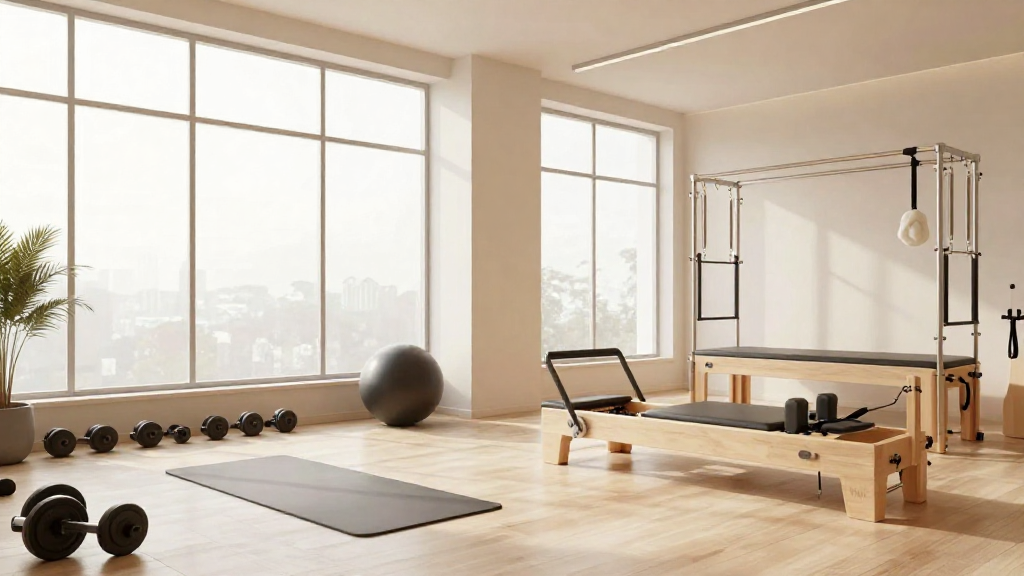
- Equipment Use: Pilates often incorporates specialized equipment, such as the Reformer, to provide resistance and support.
Benefits of Pilates:
- Improved Core Strength: Essential for overall physical stability and strength.
- Increased Flexibility: Helps enhance muscle flexibility as you perform various stretches and movements.
- Mind-Body Connection: Encourages concentration and awareness of body movements, resulting in improved focus and relaxation.
Is Workout More Effective than Pilates?
Determining whether a workout vs Pilates approach is more effective largely depends on individual fitness goals and preferences.
Consider Your Goals:
- Weight Loss: Traditional workouts, especially high-intensity interval training (HIIT) and cardio sessions, may yield quicker weight loss results.
- Core Strength: Pilates excels at improving core strength and stability.
- Balanced Approach: Combining both workouts and Pilates can lead to an all-around fitness regime.
Performance Metrics:
- Calorie Burn: Traditional workouts tend to burn more calories per hour compared to Pilates.
- Muscle Toning: Pilates may aid in toning muscles due to its focused movements.
- Sustainability: Many find Pilates less taxing, making it a sustainable choice over time.
Can You Integrate Pilates into Your Workout Routine?
Absolutely! Many fitness enthusiasts find that integrating Pilates into their conventional workout routine can offer numerous advantages.
Suggested Fusion Approach:
- Warm-Up: Start with dynamic stretches or light cardio.
- Pilates Session: Incorporate a 20-30 minute Pilates routine to target your core.
- Strength/HIIT Workout: Conclude with a traditional workout to enhance muscle strength and endurance.
Benefits of Integration:
- Comprehensive Fitness: You work on both functional strength and flexibility.
- Reduced Injury Risk: A strong core helps prevent injuries during traditional workouts.
- Enhanced Recovery: Using Pilates alternately can aid in recovery days.
Which Is Better for Beginners: Workout or Pilates?
The choice between workout vs Pilates may vary for beginners based on their individual fitness levels, preferences, and availability of resources.
Pilates for Beginners:
- Low Impact: Pilates is generally low impact, making it suitable for individuals new to exercise or those with past injuries.
- Emphasis on Technique: Focuses on performing exercises correctly, promoting safe practices for future workouts.
Traditional Workouts for Beginners:
- Variety of Options: Beginners can choose from various workout types that suit their interests, such as dance, swimming, or cycling.
- Quick Results: Traditional workouts may yield faster visible results, providing motivation for newcomers.
Can Pilates Replace My Workout?
While Pilates can be a powerful fitness regimen in its own right, many experts do not recommend replacing all traditional workouts with Pilates.
Possible Reasons for Not Replacing Workouts:
- Variety Increases Motivation: Switching between workouts and Pilates keeps your regimen fresh and exciting.
- Target Different Muscle Groups: Some traditional workouts target muscles and cardiovascular systems that Pilates alone may not address.
- Customize to Goals: If muscle gain or weight loss is a primary goal, a varied approach works best.
Conclusion: Workout Vs Pilates—What’s Your Choice?
In conclusion, the debate between workout vs Pilates boils down to individual goals and preferences.
- If your primary aim is weight loss or muscle building, traditional workouts may be more suitable.
- If you seek strength, flexibility, and a mind-body connection, then Pilates could be your choice.
Integrating both approaches into your fitness plan can help you achieve a balanced, effective workout routine.
Final Thoughts:
Regardless of whether you lean towards workouts or Pilates, the key is to find a regime that you enjoy and can stick to consistently.
Whichever path you choose, remember that the most important aspect of exercise is to remain active, maintain a healthy lifestyle, and discover joy in your fitness journey.