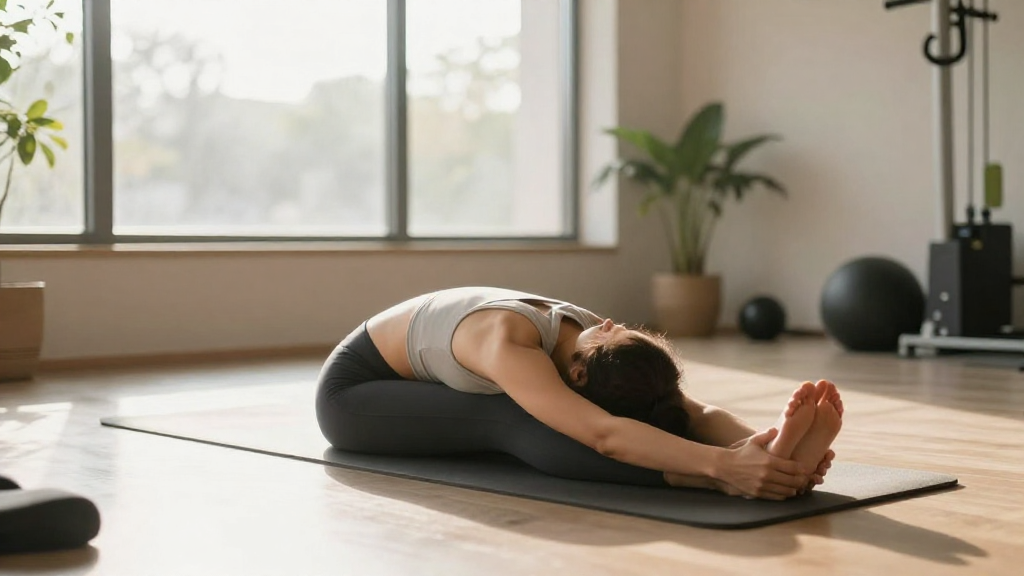
Recovering from illness can be challenging, especially when it comes to resuming your workout routine.
Getting back to your regular exercise can feel daunting, but it’s essential to approach this process gradually and carefully.
In this article, we’ll address some important tips on how to safely transition to a workout after illness.
Why Is It Important to Ease Back into Workout After Illness?
When you’re sick, your body undergoes stress and changes that can impact your physical fitness.
Why should you ease back into your workout routine?
- Healing takes time: Your body needs to recover from the illness, and jumping back into a rigorous workout can lead to setbacks.
- Avoiding injury: Re-entry should be controlled to avoid strains or other injuries after a period of inactivity.
- Listening to your body: Returning to exercise should focus on how you feel rather than adhering strictly to a workout schedule.
How Long Should You Wait to Exercise Again After Being Sick?
A fair amount of time may pass before you can safely resume your workout after illness.
So, how long should you wait before exercising again?
- Consult with your doctor: If your illness was severe, discuss your fitness plan with a healthcare professional.
- Consider the type of illness: For minor illnesses like a cold, a few days might suffice. However, for more serious conditions like the flu, you may need a few weeks.
- Listen to your body: Pay attention to how you’re feeling and start gentle movements before diving back into a full-fledged workout.
What Are the Initial Steps to Take When Starting Your Workout After Illness?
Once you feel ready to get back to your workout after illness, it’s crucial to start slowly.
What initial steps should you take?
- Start with light activities: Begin with gentle stretches, short walks, or yoga.
- Monitor your symptoms: Keep track of how your body is responding. If you feel fatigued or have any discomfort, give yourself additional time to rest.
- Stay hydrated: Hydration is vital for recovery and will support your return to exercise.
- Consider energy levels: Workouts should be brief, focusing on 10 to 15 minutes of light activity initially.
How Can You Gradually Increase Intensity After Illness?
After you feel comfortable with light activities, it’s time to consider gradually increasing your workout intensity.
How can you do that safely?
- Increments over weeks: Gradually add more time to your sessions, targeting to increase by about 10 minutes every week until you reach your pre-illness workout level.
- Mix it up: Integrate a variety of activities to keep things interesting. This can include alternating between cardiovascular exercises, strength training, and flexibility work.
- Respect your limits: If you find yourself feeling overwhelmed, revert to lower-intensity workouts for a few days before advancing again.
What Types of Exercise Are Best After Illness?
Choosing the right types of exercise plays a significant role in your recovery.
What types of activities should you focus on when getting back to a workout after illness?
- Aerobic exercises: Activities like walking, cycling, or swimming can help improve your stamina without placing excessive stress on your body.
- Strength training: Engage in bodyweight exercises such as push-ups or squats, starting with lighter sessions to rebuild strength.
- Flexibility and balance: Incorporate yoga or Pilates to enhance flexibility and improve your body awareness, which can assist in injury prevention.
Should You Set Goals for Your Return to Working Out?
While setting goals can often help motivate you, they should be realistic and tailored to your current circumstances.
Should you create goals after being sick?
- Short-term goals: Focus on immediate, easily achievable targets, like a specific number of minutes spent exercising each day.
- Long-term goals: Plan for gradual milestones, but keep these flexible to accommodate your recovery progress.
- Celebrate small wins: Acknowledge how far you’ve come, no matter how small, to maintain motivation.
What Are Some Common Signs You Might Be Overdoing It?
It’s crucial to recognize your body’s warning signs to avoid setbacks.
What symptoms might indicate you are overexerting yourself?
- Excessive fatigue: If you feel unusually tired after a workout, it may be a sign to take a step back.
- Persistent dizziness or lightheadedness: These symptoms can indicate you’re pushing too hard.
- Increased heart rate or breathing difficulties: Monitoring these reactions can help you gauge your workout intensity.
How to Stay Motivated and Consistent After Illness
Staying motivated can be a challenge after taking a break from your workouts.
How can you keep your spirit high during this recovery phase?
- Stay connected: Join a class or workout group. Sharing your experience with others can provide both accountability and inspiration.
- Track your progress: Consider keeping a workout journal to document your sessions and note improvements, no matter how minor.
- Consider a buddy system: Finding a workout buddy can enhance motivation, making it easier to stick to your plans.
Conclusion: Easing Back into Your Workout After Illness is Key
Resuming your workout after illness doesn’t have to be a stressful process.
By taking it slow, listening to your body, and choosing the right types of exercises, you can successfully navigate your return to fitness.
Remember to consult with healthcare professionals as needed and prioritize your recovery over jumping back into intense workouts.
Ultimately, patience and awareness are your allies in easing back into your workout after illness, leading you to healthier and happier training as you regain strength and endurance.
Now, take a breath, and prepare to embrace this new stage of your fitness journey!