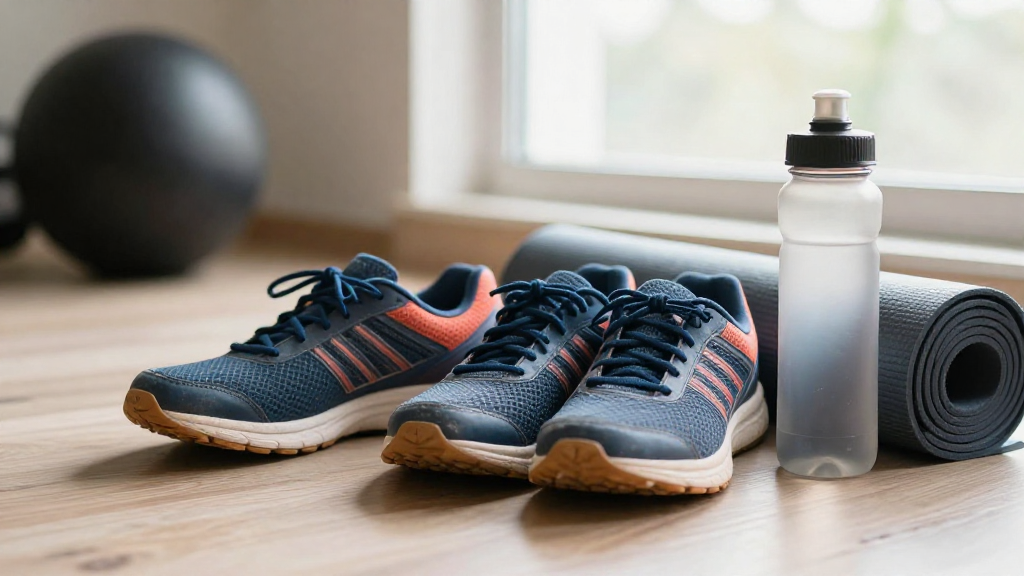
When it comes to fitness, knowing proper workout safety tips is essential for preventing injuries and maximizing your results.
Why Are Workout Safety Tips Important?
In the pursuit of fitness, it can be tempting to push your limits.
However, neglecting workout safety tips can lead to preventable injuries, setbacks, and even long-term damage.
Understanding how to protect yourself during exercise helps ensure that your fitness journey remains a positive experience.
What Are the Basic Workout Safety Tips?
- Warm-Up and Cool Down
Always begin your workout with a proper warm-up.
This can include dynamic stretches and light cardiovascular exercises.
Cooling down after your workout is equally essential.
Gradually lowering your heart rate can help prevent dizziness and aid muscle recovery.
- Stay Hydrated
Drinking water before, during, and after your workout is crucial.
Dehydration can significantly impact your performance and recovery.
Always keep a water bottle handy and sip regularly, especially in hot or humid conditions.
- Wear Proper Gear
Ensure you are dressed appropriately for the type of workout you’re doing.
This includes:
- Supportive shoes that fit well
- Breathable clothing to wick away sweat
- Protective gear such as helmets for cycling or knee pads for certain activities.
How Can You Use Proper Technique and Form?
Using proper technique is one of the most vital workout safety tips.
Incorrect form not only reduces your efficiency but also increases your chance of injury.
Here are some tips to maintain good form:
- Focus on alignment: Ensure your joints are aligned correctly to prevent strain.
- Engage your core: A strong core stabilizes your body and aids in maintaining proper posture.
- Start slow: Mastering the fundamentals should always come before increasing intensity or weights.
Should You Listen to Your Body?
Absolutely! One of the most important workout safety tips is to listen to your body.
Here are a few things to keep an eye on:
- Pain: Distinguish between the discomfort of a good workout and painful sensations. If you encounter pain, stop immediately and assess.
- Fatigue: If you’re feeling unusually fatigued, it might be time for a rest day or to reduce the intensity of your current workout.
- Dizziness or Nausea: These symptoms are signs that you may need to hydrate or take a break.
Are There Specific Tips for Different Types of Workouts?
Different types of workouts come with their own sets of safety considerations.
Here are some tailored workout safety tips for various activities:
1. Strength Training
- Always use a spotter when lifting heavy weights.
- Start with lighter weights to master your form before progressing.
- Do not lock your joints during lifts for better control.
2. Cardio Workouts
- Keep your heart rate within your target zone to avoid overexertion.
- If outdoors, choose safe, well-lit areas for your run or bike ride.
- Be aware of your surroundings to avoid accidents.
3. Group Classes
- Inform your instructor of any injuries or limitations beforehand.
- Give yourself space to avoid collisions with others.
- Respect the intensity levels set by the instructor, but don’t hesitate to modify movements.
How Many Days a Week Should You Work Out?
A balanced workout schedule is vital for your health.
Most experts recommend a combination of:
- Strength training: 2-3 times a week
- Cardio: 150 minutes of moderate-intensity or 75 minutes of vigorous-intensity per week
- Flexibility exercises: Regularly incorporated into your routine
Remember to intersperse rest days to allow your muscles to recover.
What Role Does Nutrition Play in Workout Safety?
Nutrition is a significant, yet often overlooked, component of workout safety tips.
To fuel your workouts effectively:
- Eat a balanced diet: Incorporate proteins, carbs, and healthy fats.
- Pre-Workout Snack: Opt for complex carbohydrates and proteins to provide sustained energy.
- Post-Workout Recovery: Consume protein-rich foods or shakes to aid muscle repair.
How Important is Recovery?
Recovery is a critical aspect of any workout regimen.
Inadequate recovery can lead to overtraining, fatigue, and injuries.
Here are some recovery-focused workout safety tips:
- Incorporate rest days into your routine to allow your body to rejuvenate.
- Use techniques like foam rolling or stretching to alleviate muscle tightness.
- Ensure you get enough sleep, as this is when your body repairs itself.
Can You Use Technology for Safety?
Absolutely! Today’s technology can aid in maintaining workout safety tips.
Here are a few high-tech solutions:
- Fitness trackers: Monitor your heart rate and track calories burned.
- Apps: Many fitness apps provide guided workouts that emphasize proper form.
- Wearables: Devices like smartwatches can alert you to resting intervals or hydration reminders.
Conclusion: How to Maintain Safety While Pursuing Fitness Goals?
Following these essential workout safety tips can significantly enhance your experience while minimizing injury risks.
Remember to:
- Warm up and cool down
- Stay hydrated
- Use proper form
- Listen to your body
- Pay attention to nutrition and recovery
By staying mindful of these considerations, you’ll not only protect yourself but also pave the way for a more effective and enjoyable workout journey.
Keep these workout safety tips in mind as you pursue your fitness goals, and enjoy a healthier, injury-free experience!