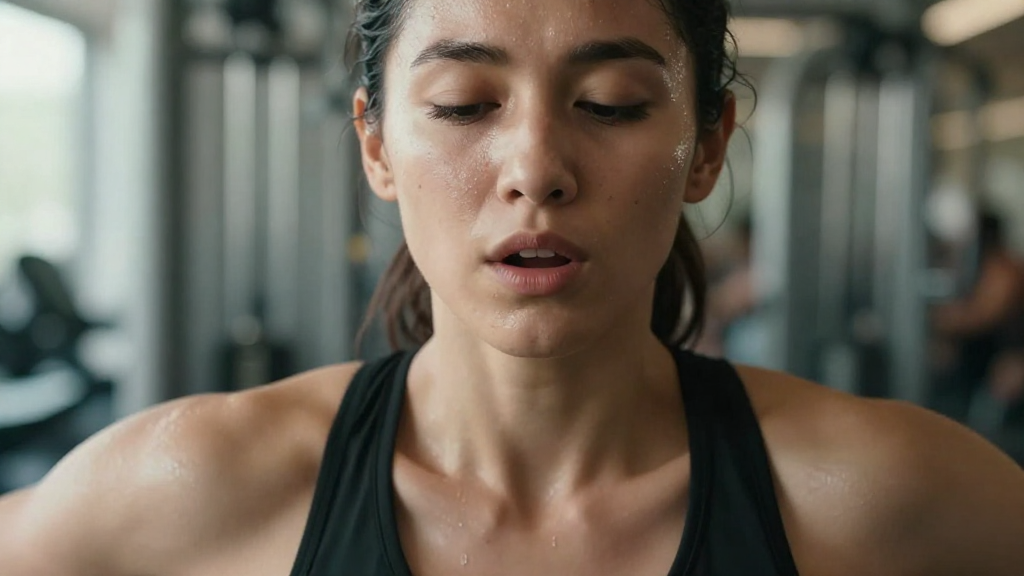
Understanding the right workout breathing techniques can revolutionize your exercise routine.
Proper breathing not only enhances your performance but also aids in recovery, reduces fatigue, and improves overall endurance. In this article, we will explore the most effective workout breathing techniques that can help you maximize your fitness routine.
What Are Workout Breathing Techniques?
Workout breathing techniques involve intentional and conscious control of your breath to improve physical performance.
Here are a few key aspects to understand:
- Inhalation and Exhalation: Knowing when to inhale and exhale can impact your workout significantly.
- Diaphragmatic Breathing: This technique is also known as “deep breathing,” where you engage the diaphragm effectively.
- Rhythmic Breathing: Syncing your breath with your movements can lead to a more fluid workout experience.
Why Is Breathing Important During Exercise?
Breathing provides the necessary oxygen your muscles need to perform optimally.
Key reasons why effective breathing matters include:
- Increased Efficiency: Proper oxygen flow helps you perform exercises with better endurance.
- Enhanced Focus: Conscious breathing can improve your mental clarity.
- Reduced Stress: Good breathing techniques help to reduce anxiety, promoting a relaxed state.
- Faster Recovery: Efficient breathing aids in clearing out toxins from the body.
How Should You Breathe During Strength Training?
Inhale or Exhale: When Should You Do It?
In strength training, understanding when to inhale and exhale is crucial.
General Rule of Thumb:
- Inhale before the exertion: Take a deep breath in just before lifting the weight or performing the movement.
- Exhale during the exertion: Exhale during the most challenging part of the lift.
Example of Strength Training Breathing Techniques:
- For Squats:
- Inhale deeply while lowering yourself down.
-
Exhale forcefully as you push back up to standing.
-
For Bench Press:
- Inhale as you lower the barbell towards your chest.
- Exhale as you press it back to the starting position.
Understanding these workout breathing techniques will not only improve your strength but also help you avoid potential injuries.
How Should You Breathe During Cardio Workouts?
Should Your Breathing Change During Cardio?
Absolutely! The intensity and type of cardio can dictate your breathing pattern.
Here are some focused tips for effective breathing during cardio:
- Keep it Rhythmic: Sync your breath with your steps, especially during running or cycling.
- Nose vs. Mouth: For low-intensity activities, breathe through your nose. During high-intensity intervals, you may need to rely on mouth breathing.
Breathing Techniques for Different Cardio Activities:
- Running:
- Inhale for three steps, then exhale for two.
-
Adjust this ratio based on your comfort and fitness level.
-
Cycling:
- Aim for a steady breath in, followed by a longer, forceful exhale.
- Understand that the faster you cycle, the more compressed your breathing rhythm should be.
Incorporating these workout breathing techniques into your cardio will enhance your stamina and overall performance.
Can You Use Breathing Techniques for Yoga and Stretching?
How Is Breathing Different in These Contexts?
Absolutely! Breathing techniques in yoga and stretching play a significant role in relaxation and flexibility.
Here’s how you can practice breathing in these scenarios:
- Deep Belly Breathing: Focus on breathing deeply and filling your belly to increase relaxation.
- Pranayama Techniques: This refers to specific breathing practices found in yoga, such as Nadi Shodhana (alternate nostril breathing).
Effective Breathing Techniques for Yoga:
-
Cat-Cow Stretch: Inhale during the ‘cow’ position and exhale during the ‘cat’ position.
-
Downward-Facing Dog: Breathe deeply and fully to enhance stretching and relaxation.
Using these workout breathing techniques can deepen your yoga experience and enhance your practice.
What About Breathing During High-Intensity Interval Training (HIIT)?
Are Special Techniques Required for HIIT?
During HIIT workouts, where the intensity spikes rapidly, controlling your breath becomes even more vital.
Key Points to Keep in Mind:
- Short, Quick Breaths: Focus on faster, shorter inhalations and exhalations during high-intensity segments.
- Calm During Rest Intervals: Use longer, slower breaths during rest periods to help recover.
HIIT Breathing Techniques:
-
During the sprint: Practice quick, forceful breaths through the mouth to ensure adequate oxygen intake.
-
During the active rest: Shift to slower, deeper breaths through the nose to recover.
Mastering these workout breathing techniques during HIIT will help you to push your limits more effectively.
Is There Anything to Remember During All Types of Workouts?
What are General Breathing Guidelines for All Workouts?
To wrap up our overview of workout breathing techniques, here are some general guidelines:
-
Stay Relaxed: Tension can disrupt your breathing pattern; aim for a relaxed state.
-
Cool Down: Focus on deep, slow breaths during your cool-down phase.
-
Stay Mindful: Maintain awareness of your breathing throughout your workout—this will help ensure efficiency.
-
Practice Regularly: Just like any other skill, practice will make perfect. Incorporate different breathing techniques to find what works best for you.
-
Listen to Your Body: It’s critical to adapt your breathing to how you feel during your workout.
Remember that workout breathing techniques can significantly impact your performance, recovery, and overall experience—regardless of the type of workout you are doing.
Conclusion
Incorporating effective workout breathing techniques into your fitness routine can lead to improved performance, endurance, and recovery.
By mastering the art of breathing during various exercises—whether it’s strength training, cardio, yoga, or HIIT—you will maximize the benefits of your workouts.
As you continue to practice, keep the focus on your breathing patterns, and don’t hesitate to adjust them as necessary.
Embrace proper breathing; enjoy your workouts more, and see the difference it can make!
Incorporating these practices will not only enhance your performance but also help you become more aware of your physical presence. So, take a deep breath, and get to work!