Adding a weighted vest to walking, running, stair workouts, or bodyweight circuits can increase training demand without requiring complicated equipment. The right vest should feel secure, distribute weight evenly, and remain comfortable as your pace rises.
We compared 10 adjustable weighted vests across weight ranges, fit features, reflectivity, and intended use to help you choose a practical option for cardio and progressive fitness training.
Best 10 Weighted Vest for Cardio Picks for 2026
Best Visibility Pick
Liveet Reflective Weighted Vest

- Adjustable 15-pound cardio vest
- Front and rear reflective strips
- Phone and essentials pockets
Best For: Outdoor walkers, runners, and cardio users
Best Adjustable Load
Sportneer Detachable Weighted Vest

- Adjusts from 2 to 18 pounds
- Nine removable weight packs
- Double-lock shoulder and waist fit
Best For: Users who vary resistance across workouts
Best Even-Distribution Value
Zikopomi Reflective Workout Vest
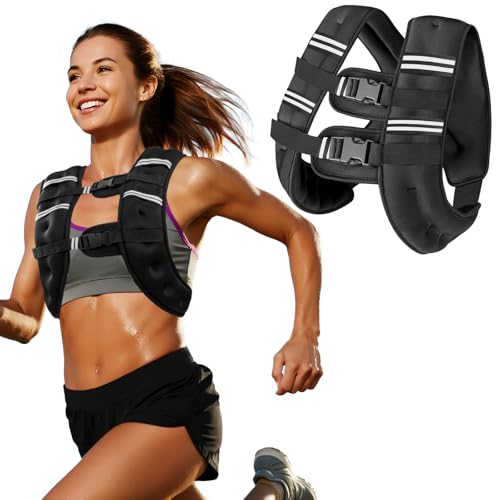
- Listed 12-pound fixed load
- Even-distribution iron-sand design
- Reflective front and back strips
Best For: Outdoor walking, running, and general conditioning
Best Compact Adjustable Option
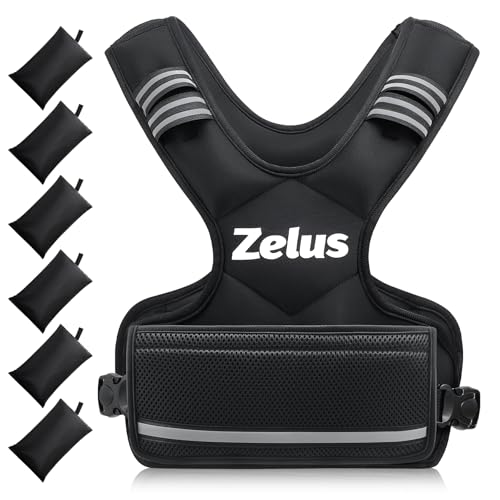
- Includes six removable one-pound bags
- Adjustable hook-and-loop fit
- Pocket and reflective strips included
Best For: Teens and adults starting with lighter cardio resistance
Reflective All-Rounder
Adjustable ZELUS 12 lb Weighted Vest

- 6–30 lb options for progressive resistance
- Adjustable fit for 31.5–45-inch chests
- Reflective strips and storage pockets
Best For: Versatile cardio, walking, and strength workouts
Comfort-Focused Pick

- 6–30 lb progression options
- Cushioned shoulders and snug adjustable fit
- Reinforced neoprene construction
Best For: Comfortable running, walking, and high-intensity training
Storage-Ready Trainer

- 6–30 lb weight range
- Front zipper and rear mesh storage
- Cushioned, non-chafing design
Best For: Cardio and strength sessions requiring pocket storage
Adjustable Progression Pick
CAP 40 lb Adjustable Weighted Vest

- Adjustable resistance from 2.5 to 40 pounds
- Padded shoulders and adjustable waist belt
- Reflective stripes for low-light visibility
Best For: Progressive cardio and strength training
Night-Training Convenience Pick
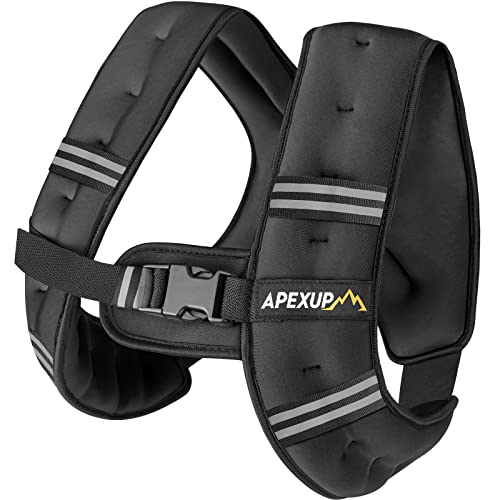
- Light 10-pound resistance for varied workouts
- Reflective straps for nighttime visibility
- Mesh pocket for keys or a phone
Best For: Running, hiking, and lighter cardio sessions
Even-Load Comfort Pick
Poudee Adjustable Weighted Vest

- Listed options from 6 to 30 pounds
- Iron-sand filling promotes even distribution
- Reflective stripe and adjustable straps
Best For: Comfort-focused cardio and bodyweight training
Best Visibility Pick – Liveet Reflective Weighted Vest
If you want a weighted vest for cardio that also supports outdoor visibility, this Liveet model combines adjustable resistance with reflective strips and storage. It is available in several weight options, including the listed 15-pound size.
Best For: Outdoor walkers, runners, and cardio users who want storage and reflective details.
Pros:
- Adjustable buckle straps fit 31- to 45-inch chests.
- Reflective strips on the front and back improve visibility in low light.
- Arm and rear pockets keep small essentials close.
- Sweat-wicking spandex, SBR lining, and iron-sand filling support comfort.
Cons:
- The listed product size is 15 pounds, which may be more resistance than some beginners need.
- The vest is not described as having removable weights.
Its combination of hands-free storage, visibility features, and adjustable fit makes it a practical choice for cardio sessions outdoors. Consider your preferred resistance before selecting a weight.
Best Adjustable Load – Sportneer Detachable Weighted Vest
For shoppers comparing a weighted vest for cardio, the Sportneer stands out because its included packs let you adjust the load from 2 to 18 pounds. Its front-and-back weight placement is designed for more uniform distribution during exercise.
Best For: Users who want to change resistance between cardio, walking, jogging, and strength sessions.
Pros:
- Nine included packs allow weight adjustments from 2 to 18 pounds.
- Four front and five back weights help distribute resistance evenly.
- Shoulder and waist double locks provide a customizable fit.
- Removable weights make the vest easier to clean.
Cons:
- The straps require manual adjustment before use.
- The product notes recommend limiting wear to no more than two hours and using 8% to 20% of body weight.
This is the most flexible option in the group for gradually changing workout intensity. The zipper design and removable packs add convenience, but careful fitting is important before cardio.
Best Even-Distribution Value – Zikopomi Reflective Workout Vest
This Zikopomi model is a straightforward weighted vest for cardio, running, walking, and general conditioning. Its iron-sand construction, double stitching, reflective strips, and adjustable straps focus on durability, visibility, and a balanced feel.
Best For: Walkers, runners, and fitness users seeking a simple fixed-weight vest with reflective details.
Pros:
- Even weight distribution is intended to reduce imbalance during workouts.
- Front and back reflective strips support visibility in low light.
- Two adjustable elasticated straps accommodate different body and chest shapes.
- Neoprene and iron-sand construction is reinforced with double stitching.
Cons:
- The listed size is 12 pounds, with no removable-weight system described.
- The manufacturer notes that a new vest may have a temporary odor.
Choose this vest if you prefer a simple, ready-to-use resistance level rather than interchangeable packs. Its reflective treatment makes it especially suitable for outdoor cardio in dim conditions.
Best Compact Adjustable Option – ZELUS Removable-Weight Vest
The ZELUS is a useful weighted vest for cardio when you want to start with lighter resistance and add load gradually. Its included iron-sand bags, snug fasteners, storage pocket, and reflective panels suit activities ranging from walking and light jogging to cycling.
Best For: Teens and adults who want low-impact, adjustable resistance for cardio and general training.
Pros:
- Includes six removable one-pound iron-sand bags.
- Hook-and-loop fasteners help create a snug fit.
- Even load distribution supports varied exercise routines.
- Wide pocket and reflective strips add convenience and visibility.
Cons:
- The supplied notes describe the included configuration as 4 to 10 pounds, while the title references broader weight ranges.
- The product may offer less maximum resistance in the included setup than heavier fixed vests.
This is a sensible choice for users prioritizing gradual progression and a lighter starting load. Verify the exact weight configuration before ordering if you need resistance above the included range.
Reflective All-Rounder – Adjustable ZELUS 12 lb Weighted Vest
If you want a versatile weighted vest for cardio, this ZELUS model adds evenly distributed iron-sand resistance to jogging, rope skipping, yoga, weightlifting, and other workouts. Its adjustable fit, storage options, and reflective detailing make it practical for both indoor sessions and outdoor walks or runs.
Best For: Users seeking a multi-purpose vest with several weight options and useful visibility features.
Pros:
- Available in weights from 6 to 30 pounds for progressive training.
- Evenly distributed iron sand adds resistance without bulky equipment.
- Adjustable buckle straps fit chest sizes from 31.5 to 45 inches.
- Reflective strips and storage pockets support outdoor workouts.
Cons:
- The listed 12-pound version may be more resistance than beginners need initially.
- The vest is designed to be wiped clean rather than machine washed.
With broad weight availability and a practical adjustable design, this is a flexible choice for gradually increasing workout intensity. Start with a lighter option if you are new to vest training.
Comfort-Focused Pick – Zeerun Neoprene Weighted Vest
This Zeerun vest is a practical weighted vest for cardio when comfort and stability matter during running, walking, or high-intensity training. Skin-friendly neoprene, thickened shoulder pads, an elastic band, and an adjustable buckle are designed to reduce chafing and unwanted movement.
Best For: Beginners and progressing users who want a snug, cushioned vest for running, walking, and endurance-focused workouts.
Pros:
- Offers weight choices from 6 to 30 pounds for gradual progression.
- Neoprene construction and sealed interiors help reduce chafing and particle leakage.
- Double-stitched seams are designed for rigorous movement.
- Thickened shoulder pads and an adjustable fit help limit shaking.
Cons:
- The design does not list dedicated storage pockets.
- Heavier options may be unsuitable for beginners starting cardio training.
The Zeerun emphasizes secure, comfortable wear and a clear progression path. Its reflective stripe also adds a useful visibility feature for outdoor sessions, though its main strength is fit stability during movement.
Storage-Ready Trainer – ZELUS Neoprene Weighted Vest
For shoppers comparing a weighted vest for cardio with everyday convenience features, this ZELUS model combines evenly distributed iron-sand weight with cushioned shoulder straps and multiple pockets. It is specified for cardio, running, circuit training, weightlifting, and strength work.
Best For: Athletes and fitness enthusiasts who want comfortable resistance plus secure storage for small essentials.
Pros:
- Available in weights from 6 to 30 pounds.
- Double-stitched neoprene and iron-sand filling are built for repeated workouts.
- Detachable front zipper pockets and a rear mesh pocket hold essentials.
- Cushioned straps, non-chafing fabric, and even weight distribution support mobility.
Cons:
- The supplied details do not specify chest-size measurements for the adjustable straps.
- Storage pockets and a heavier construction may add bulk compared with simpler vests.
This model stands out when carrying a phone, keys, or other small items is part of your routine. Its cardio-specific use guidance and balanced construction make it a strong option for varied training sessions.
Adjustable Progression Pick – CAP 40 lb Adjustable Weighted Vest
If you want a weighted vest for cardio that can adapt as your fitness improves, the CAP Adjustable Weighted Vest offers removable resistance from 2.5 to 40 pounds. Its adjustable fit, reflective stripes, and whole-body training design make it suitable for running, walking, and strength-focused workouts.
Best For: Beginners through advanced users who want adjustable resistance for cardio, conditioning, and progressive strength training.
Pros:
- Adjustable 2.5–40-pound resistance supports progressive training.
- Padded shoulders and an adjustable waist belt help create a secure, bounce-free fit.
- Reflective stripes improve visibility during low-light walks or runs.
- Works for running, walking, push-ups, squats, lunges, and conditioning.
Cons:
- The listed 40-pound configuration may be substantial for new users.
- Hook-and-loop closure may require careful adjustment for the most stable fit.
Choose this model if flexibility matters more than a minimal design. The removable iron-ore-filled packets let you increase resistance gradually, while the reinforced construction is suited to repeated training.
Night-Training Convenience Pick – APEXUP 10 lb Weighted Vest
For shoppers seeking a lighter weighted vest for cardio, the 10-pound APEXUP model adds manageable resistance to running, hiking, and general workouts. Its padded straps, waist belt, reflective details, and small mesh pocket focus on everyday convenience.
Best For: Adults who want a lighter vest for running, strength training, hiking, and nighttime workouts.
Pros:
- 10-pound size provides a relatively approachable resistance level.
- Padded shoulder straps and a waist belt help distribute weight across the body.
- Reflective straps support visibility during night workouts.
- Mesh pocket stores small items such as keys or a phone.
Cons:
- The listed model is a fixed 10-pound vest rather than an adjustable-weight design.
- It is described for adults, so sizing and fit should be checked before purchase.
This is a practical choice when you want a straightforward, lighter vest with useful storage and visibility features. It suits varied activities without emphasizing heavier-load progression.
Even-Load Comfort Pick – Poudee Adjustable Weighted Vest
The Poudee Weighted Vest is a versatile option if you want a weighted vest for cardio that emphasizes even load distribution. Available in several listed weight options from 6 to 30 pounds, it uses iron sand, adjustable straps, breathable materials, and a reflective stripe for running, walking, jogging, and bodyweight training.
Best For: Users who want multiple weight choices and an evenly distributed vest for cardio, walking, running, or CrossFit-style workouts.
Pros:
- Listed weight options range from 6 to 30 pounds.
- Iron-sand filling is designed for even weight distribution.
- Adjustable straps and breathable materials support mobility and comfort.
- Reflective stripe adds visibility for outdoor training.
Cons:
- The supplied details identify the specific size as 12 pounds, so other options may need separate selection.
- It uses a hook-and-loop closure rather than a buckle system.
Pick this vest if balancing comfort and load distribution is a priority. Its range of available sizes also makes it easier to match resistance to your preferred cardio or bodyweight routine.
How We Picked the Best Weighted Vest for Cardio
We focused on the features that matter most during repeated movement: adjustable resistance, secure fit, balanced weight distribution, useful sizing, and comfort during longer sessions. Reflective strips earned extra consideration for outdoor walkers and runners, while removable or wide-ranging weight systems are valuable for users who want to progress over time.
The selection includes lighter vests for beginners and cardio-focused workouts, midrange options for general conditioning, and high-capacity models designed for strength training as well as running. Because comfort and fit vary by body shape, treat listed weight ranges as a starting point rather than a guarantee of suitability.
Quick Comparison
- Lightest options: Models beginning around 4–6 pounds are generally easier to introduce during walking, low-impact cardio, and circuit training.
- Most adjustable: Removable-weight designs and vests with broad ranges, such as 4–32 pounds or 20–150 pounds, support more progression.
- Best for visibility: Several selections include reflective stripes or strips for outdoor use in low-light conditions.
- Heavy-duty training: High-capacity vests are better suited to experienced users and controlled strength work than casual jogging.
Key Buying Factors for a Weighted Vest for Cardio
Weight and Adjustability
Start conservatively. A vest that lets you remove or add weight is more useful than a fixed, heavy model because you can match resistance to walking, running, hills, and bodyweight exercises. For cardio, the ability to make small increases can also help avoid sudden jumps in joint and breathing demands.
Fit and Movement
Look for adjustable straps that keep the vest close to your torso without restricting breathing. Excess movement can cause rubbing, alter your stride, and make the load feel heavier. Check the seller’s measurements, not just the vest’s maximum weight, and consider how it fits over your normal workout clothing.
Comfort and Balance
Evenly distributed weight is preferable for dynamic exercise. Padding, breathable panels, and a low-profile shape can improve comfort, but ventilation and stability matter more than soft materials alone. Stop if you experience sharp pain, numbness, or unusual pressure.
Visibility and Durability
Reflective details can improve visibility but are not a substitute for lights or bright clothing. For frequent outdoor use, prioritize secure closures, reinforced stitching, and weight compartments that do not shift during movement.
Who Should Buy Which Weighted Vest for Cardio?
Beginners and walkers: Choose a lighter adjustable vest and begin with short sessions at an easy pace. Regular fitness users: A midrange model with removable weights offers flexibility for circuits, incline walking, and moderate running. Experienced strength trainees: High-capacity options make sense for loaded carries, squats, step-ups, and controlled progression, but they may be excessive for everyday cardio.
Whichever vest you choose, increase duration, speed, or load gradually. A well-fitting lighter vest used consistently is usually more useful than a heavier model that changes your form or causes discomfort.