If you’re experiencing discomfort, you might wonder: what workout for back pain can help you regain your strength without aggravating your condition?
It’s crucial to choose the right workouts when dealing with back pain as some exercises might worsen your symptoms.
In this article, we’ll explore safe and effective workouts tailored for back pain recovery, ensuring you can exercise wisely.
What Types of Workouts Are Safe for Back Pain?
When selecting a workout for back pain, it’s essential to focus on low-impact exercises that strengthen the muscles around your spine and improve flexibility.
Some safe workout options include:
-
Walking: A simple, low-impact exercise that promotes circulation and strengthens your back muscles.
-
Swimming: Water supports your body, reducing strain on your back while allowing for a full range of motion.
-
Yoga: Offers gentle stretching and strengthens muscles, promoting relaxation and improving posture.
-
Pilates: Focuses on core stability, flexibility, and muscle alignment, which can help alleviate back pain.
-
Cycling: Riding a stationary bike provides a low-impact cardio workout that is easy on the back.
Why is Core Strength Important for Back Pain?
A strong core can significantly reduce back pain by providing stability to your spine.
Exercises that target your core muscles include:
-
Planks: Hold a plank position to engage your abdominal muscles.
-
Bridges: Lie on your back with knees bent, lifting your hips to strengthen your glute and lower back muscles.
-
Bird-Dog: On all fours, extend one arm and the opposite leg to improve balance and strengthen your core.
-
Pelvic Tilts: Lying on your back with knees bent, gently tilt your pelvis to strengthen the lower back.
By maintaining a robust core, you can help support your spine and lessen discomfort.
Can Stretching Help Relieve Back Pain?
Yes! Stretching is a vital part of any workout for back pain.
Gentle stretches can increase flexibility and reduce tightness. Here are a few effective stretches specifically for back pain:
-
Cat-Cow Stretch: This yoga pose masks as a gentle spine mobilizer, enhancing flexibility and reducing stiffness.
-
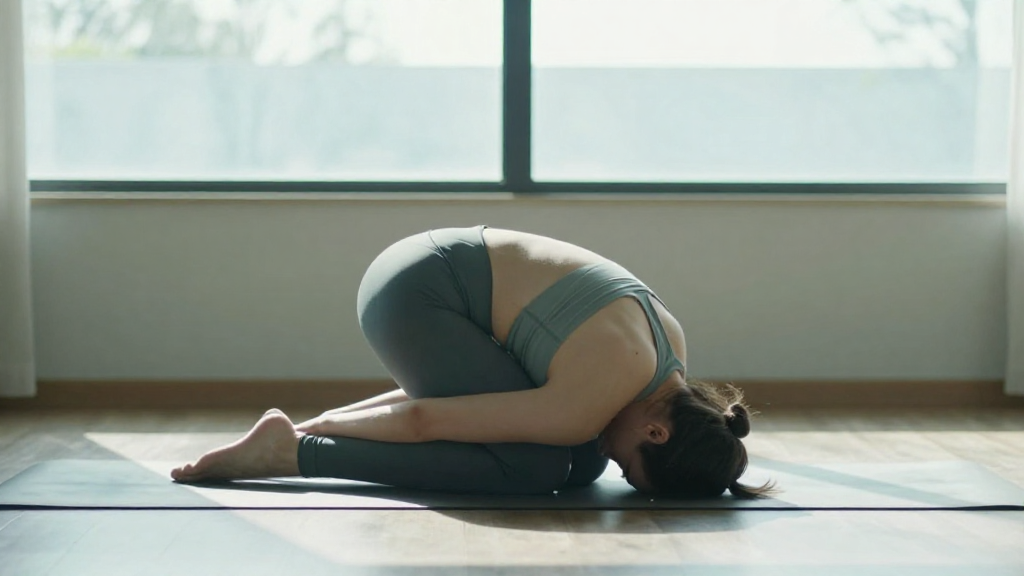
Child’s Pose: A relaxing stretch that elongates your back and helps alleviate tension.
-
Seated Forward Bend: While sitting, gently reach towards your toes to stretch your hamstrings and lower back.
-
Knee-to-Chest Stretch: Lying on your back, pull one knee toward your chest and then the other to ease tension in your lower back.
Remember to breathe deeply during each stretch to maximize relaxation.
What Should You Avoid When Working Out with Back Pain?
To ensure safety while working out with back pain, there are certain exercises and moves you should avoid:
-
High-impact activities such as running or jumping can exacerbate back pain.
-
Twisting motions or heavy lifting can lead to further strain on your spine.
-
Sit-ups and traditional crunches, which may put pressure on the lower back.
Always listen to your body and consult a healthcare provider or physical therapist before starting any new exercise regimen.
When Should You Consult a Professional?
If you experience severe or persistent pain, it might be time to seek professional guidance.
A physical therapist can create a customized workout plan for back pain tailored to your specific needs, taking into account your medical history and any underlying conditions.
Additionally, consider working with a fitness trainer well-versed in injury recovery exercises.
Are There Specific Yoga Poses Beneficial for Back Pain?
Yoga can be an excellent workout for back pain due to its emphasis on flexibility, strength, and controlled breathing.
Here are some poses that may be particularly beneficial:
-
Downward-Facing Dog: Strengthens the entire back and stretches the hamstrings.
-
Mountain Pose: Improves posture and alignment while grounding your body securely.
-
Sphinx Pose: Strengthens the spine and opens up the chest while remaining gentle on the lower back.
-
Supine Spinal Twist: A restorative pose that helps keep the spine mobile.
Engaging in yoga promotes mindfulness, which can also help you cope with pain more effectively.
How to Build a Routine for Back Pain Recovery?
When developing a workout for back pain recovery, consistency is key.
Here’s how you can create a balanced routine:
-
Start Slow: Begin with low-impact exercises such as walking or water aerobics.
-
Incorporate Strength Training: Gradually add exercises targeting the core and back muscles.
-
Schedule Stretching Sessions: Incorporate stretching at the end of each workout.
-
Rest and Recover: Listen to your body; if something doesn’t feel right, back off and give yourself time to recover.
-
Stay Hydrated: Proper hydration supports muscle health and recovery.
By combining different workouts, such as walking, yoga, and strength training, you can create a well-rounded routine to manage and potentially alleviate your back pain.
Conclusion: What Should You Remember About Workouts for Back Pain?
When considering a workout for back pain, always prioritize low-impact exercises that enhance flexibility, structure, and muscle strength.
Regular, gentle movement is vital in maintaining spinal health and preventing further injury.
If in doubt, consulting with a healthcare professional is advised to ensure safety and effectiveness regarding your exercise program.
With the right commitment and understanding of your body, you can find the right workout for back pain that works for you and helps you towards your recovery goal.