Indoor treadmill workouts are convenient, but built-in speed and distance estimates can vary—especially when your pace changes or the belt is not perfectly calibrated. The right running foot pod for treadmill use can provide more consistent tracking and useful running data.
We compare dedicated foot pods, treadmill sensors, smart insoles, and step-counting accessories so you can choose the best match for your watch, treadmill, shoes, and training goals.
Best 10 Running Foot Pod for Treadmill Picks for 2026
Best COROS Foot Pod

- Responsive foot-based instant pace
- Tracks treadmill and indoor-track distance
- Up to 28-hour battery; COROS-only compatibility
Best For: COROS watch users training indoors
Best Form-Tracking Insoles
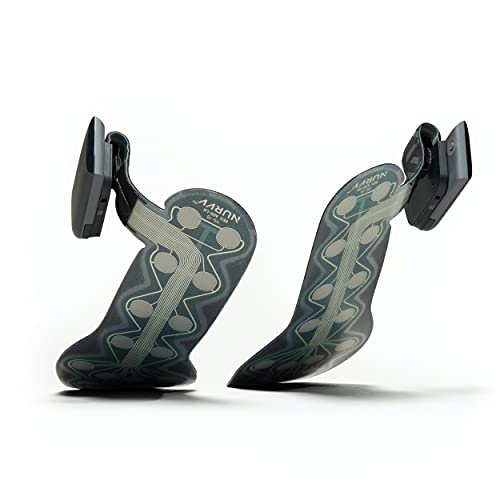
- 32 sensors across two connected insoles
- Tracks footstrike, pronation, cadence, and balance
- App coaching for indoor and outdoor runs
Best For: Form-focused runners seeking detailed biomechanics data
Nike+ Classic Pick

- Tracks pace, distance, time, and calories
- Installs under a left Nike+ shoe sockliner
- Syncs with supported Nike+ devices
Best For: Nike+ users with compatible shoes and trackers
Treadmill Repair Choice

- Detects treadmill motor speed signals
- Supports smoother speed recognition
- Designed for replacement installation
Best For: Replacing a treadmill's internal speed sensor
Compact Nike+ Option

- Records time, distance, and pace
- Supports compatible Nike+ shoes and devices
- Enables challenges, mapping, and social features
Best For: Nike+ runners using supported Apple devices
Best Everyday Step Tracker

- Pressure-based step and footfall tracking
- Slim, flexible design for many shoe types
- Indoor and outdoor activity use
Best For: Everyday walkers and casual treadmill users
Best for Gait Metrics
Intelligent Pressure Sensor Smart Insole

- Real-time cadence and gait monitoring
- Tracks steps and calorie information
- Customizable pressure-sensing functionality
Best For: Runners exploring gait and landing data
Best for Durable Gait Sensing
- Monitors posture, landing, and cadence
- Rated for over one million uses
- Lightweight and bendable construction
Best For: Frequent users focused on durable gait feedback
Best COROS Foot Pod – COROS POD 2
The COROS POD 2 is a strong running foot pod for treadmill workouts when you already use a compatible COROS watch. It uses foot or body movement to provide responsive pace data and calculate indoor distance without relying on GPS.
Best For: COROS watch users who want more responsive pace and treadmill-distance data.
Pros:
- Uses an accelerometer to provide more responsive instant pace from foot movement.
- Designed to calculate distance indoors on treadmills and indoor tracks.
- Includes both shoe and waistband clips, plus a charging dock and carry bag.
- Offers up to 28 hours of battery life.
Cons:
- Compatible only with COROS watches, except the COROS PACE 1.
- Requires a compatible COROS watch to display and use its data.
If you are in the COROS ecosystem, the POD 2 is one of the more focused options here for responsive pace and indoor distance tracking. Its major limitation is the restricted device compatibility.
Best Simple Step Counter – 3D Pedometer
This compact 3D pedometer is a basic alternative to a dedicated running foot pod for treadmill use. It counts steps with a tri-axis sensor and displays them on a large screen, but it does not provide pace, distance, Bluetooth, or app connectivity.
Best For: Walkers and casual exercisers who only need simple step counting.
Pros:
- Tri-axis sensor is designed to filter invalid movements and count steps.
- Large LCD display shows steps and time in an easy-to-read format.
- Clip and lanyard provide flexible carrying options.
- Uses a CR2032 battery and requires no charging or smartphone connection.
Cons:
- Does not connect to Bluetooth, smartphones, or fitness apps.
- Tracks steps rather than treadmill pace or running distance.
- Its automatic false-count filtering activates after 10 consecutive steps.
This pedometer is best viewed as a low-maintenance step counter rather than a full running foot pod for treadmill training. Choose it when simplicity and an at-a-glance display matter more than detailed workout metrics.
Best Treadmill Upgrade – Runn Smart Treadmill Sensor
The Runn Retrofit Smart Treadmill Sensor is designed to turn a compatible treadmill into a connected training setup. Instead of attaching to a shoe, it broadcasts treadmill speed, incline, and running cadence through Bluetooth or ANT+ to supported apps and devices.
Best For: Indoor runners who want app connectivity and treadmill metrics from a non-smart treadmill.
Pros:
- Broadcasts speed, incline, and cadence over Bluetooth or ANT+.
- Works with Zwift, Kinomap, and other fitness applications.
- Can connect Apple Watch Series 2 or newer heart rate through the Heartbeatz app.
- Includes mounting hardware, sensor strips, a charging cable, and up to 15 hours of battery life.
Cons:
- Installs on the treadmill rather than functioning as a shoe-mounted foot pod.
- Requires mounting and sensor-strip setup.
- Battery life is listed at up to 15 hours between charges.
For treadmill-focused training, the Runn offers broader connectivity than a basic step counter and can add smart features to an existing machine. It is a better fit for app-based workouts than for runners specifically seeking a portable foot sensor.
Best Form-Tracking Insoles – NURVV Run Smart Insoles
NURVV Run Smart Insoles take a different approach to a running foot pod for treadmill workouts by placing precision sensors under your feet. The connected insoles track running-form metrics alongside pace, distance, time, and calories through the NURVV app.
Best For: Runners who want detailed footstrike and form feedback during indoor or outdoor training.
Pros:
- Uses 32 precision sensors across two insoles to analyze running movement.
- Tracks pronation, footstrike, step length, balance, cadence, pace, and distance.
- Includes app-based coaching intended to support running efficiency and form.
- Compatible with iOS, Android, Garmin, Apple Watch, heart-rate monitors, Strava, and Apple Health.
Cons:
- The system uses two insoles rather than a small clip-on sensor.
- Requires two included lithium-ion batteries and the NURVV app for its connected features.
- Available here in a medium size, so fit should be checked before purchase.
NURVV Run is the most detailed option in this group for analyzing footstrike and other form-related metrics. It makes the most sense for runners who value coaching and biomechanics data over a minimal, single-sensor setup.
Nike+ Classic Pick – Stand Alone Sensor Kit
For runners seeking a running foot pod for treadmill workouts, the Nike+ Stand Alone Sensor Kit tracks pace, distance, elapsed time, and calories burned. It is designed for placement under the sockliner of a left Nike+ ready shoe and works with supported Nike+ tracking devices.
Best For: Runners using Nike+ ready shoes and compatible Nike+ devices.
Pros:
- Measures pace, distance, time, and calories burned.
- Fits under the sockliner of a compatible left Nike+ shoe.
- Supports syncing with a Nike+ Sport Watch, iPhone 3GS, or other Nike+ tracking device.
Cons:
- Requires a Nike+ ready shoe for placement.
- Compatibility is limited to listed older operating systems and Nike+ devices.
This is a sensible choice for users already invested in the Nike+ ecosystem. Confirm your shoe, tracker, and computer compatibility before buying.
Treadmill Repair Choice – Magnetic Speed Sensor
This magnetic treadmill sensor is a replacement component for running machines rather than a shoe-worn running foot pod for treadmill training. It detects motor speed signals so a compatible control panel can display speed and maintain smoother belt operation.
Best For: Treadmill owners replacing a faulty motor-compartment speed sensor.
Pros:
- Uses magnetic induction or photoelectric principles to detect treadmill speed signals.
- Designed for stable pulse output and smoother speed recognition.
- Resists common temperature rises and dust in a ventilated motor compartment.
- Installation involves unplugging the old sensor and positioning the replacement near the magnet or code disk.
Cons:
- It is a treadmill internal replacement sensor, not a wearable foot pod.
- Installation requires opening the treadmill motor cover.
- Compatibility with a specific treadmill model is not provided.
Choose this only when you need to repair treadmill speed monitoring. It is not the right fit for runners wanting personal pace or distance tracking from a shoe.
Compact Nike+ Option – Standalone Sensor
The Nike+ Standalone Sensor is a compact running foot pod for treadmill-style training and other runs when paired with supported Nike+ equipment. It records time, distance, pace, and more, while also supporting Nike+ challenges, run mapping, and social connections.
Best For: Runners with Nike+ compatible shoes, iPod devices, or a compatible smartphone.
Pros:
- Records time, distance, and pace.
- Works with most Nike+ compatible shoes.
- Supports iPod touch, iPod nano, and iPhone compatibility as listed.
- Connects with Nike+ challenges, mapped runs, and friends.
Cons:
- Requires Nike+ compatible footwear or devices.
- The supplied details do not confirm current software update support.
- Specific treadmill accuracy information is not provided.
This sensor suits runners who want Nike+ activity features in a small, ecosystem-focused accessory. Check device and shoe compatibility before relying on it for treadmill tracking.
Best Everyday Step Tracker – GOWENIC Smart Insole
If you want a running foot pod for treadmill workouts that can also support everyday activity tracking, the GOWENIC Smart Insole offers pressure-based step and movement sensing in a slim shoe accessory. Its flexible design is intended for athletic shoes, sneakers, and casual footwear, though compatibility with your specific device should be confirmed.
Best For: Walkers, casual runners, fitness beginners, and active seniors who want step counting and basic movement feedback indoors or outdoors.
Pros:
- Built-in pressure sensor captures footfalls and step counts.
- Tracks movement rhythm and pressure distribution for gait awareness.
- Lightweight, flexible design is intended to remain unobtrusive during extended wear.
- Suitable for indoor workouts as well as outdoor walking, jogging, and hiking.
Cons:
- The supplied information does not specify treadmill-specific software or app compatibility.
- Detailed device connection requirements are not provided.
The GOWENIC is a practical choice when step tracking and general movement awareness matter more than advanced training metrics. Its broad indoor/outdoor use and shoe-friendly form make it a versatile starting point for treadmill users.
Best for Gait Metrics – Intelligent Pressure Sensor Smart Insole
This intelligent pressure sensor insole is worth considering as a running foot pod for treadmill training if you want more than simple step counting. It is designed to monitor gait-related information such as cadence, touchdown time, running posture, and landing method, while also supporting calorie tracking.
Best For: Runners and fitness-focused users seeking pressure-based gait feedback and customizable sensing functionality.
Pros:
- Monitors cadence, touchdown time, running posture, and other gait details in real time.
- Supports step counting and calorie tracking.
- Can be customized for different requirements and applications.
- Designed for high sensitivity and prolonged use.
Cons:
- The notes do not identify a specific treadmill app, display, or connection platform.
- Customization may require additional compatibility or development support.
Compared with a basic step sensor, this insole emphasizes running-form information and configurable functionality. It may suit users who want to explore gait data, but verify how its output connects to your treadmill or preferred device before buying.
Best for Durable Gait Sensing – ZNX 01 Smart Insole
The ZNX 01 is a lightweight pressure-sensing shoe accessory for users seeking a running foot pod for treadmill gait monitoring. It is designed to track running posture, landing method, cadence, steps, and a calorie-consumption index, with a stated lifespan of more than one million uses.
Best For: Fitness enthusiasts and athletes who prioritize repeated-use durability and detailed pressure-based gait feedback.
Pros:
- Provides real-time monitoring of posture, landing method, and cadence.
- Includes step counting and calorie-consumption information.
- Engineered to withstand over one million uses.
- Lightweight and bendable for more comfortable use.
Cons:
- The supplied details list recommended use for slippers, so athletic-shoe fit should be verified.
- No specific treadmill integration or compatible app is identified.
- Custom functionality may require additional development or setup.
The ZNX 01 stands out for its stated durability and emphasis on gait analysis. It is potentially appealing for frequent training, but the listed slipper recommendation and unspecified connectivity make fit and system compatibility important checks before purchase.
How We Picked the Best Running Foot Pod for Treadmill Use
We considered how each device captures indoor running data, what measurements it supports, and how easily it fits into an existing setup. The selection includes dedicated running sensors, retrofit treadmill monitors, smart insoles, and simpler pedometers because these products solve different tracking problems.
Priority went to features such as pace and distance accuracy, step or cadence tracking, compatibility, installation requirements, app or watch support, sensor placement, and practical value. Product descriptions and advertised capabilities should still be checked before purchase, particularly for older Nike+ accessories and devices that may require a specific receiver or mobile platform.
Quick Comparison
| Type | Best For | What to Check |
|---|---|---|
| Running foot pod | Indoor pace, distance, and cadence | Watch compatibility and calibration |
| Treadmill retrofit sensor | Measuring belt speed or treadmill activity | Installation, treadmill compatibility, and power |
| Smart insole | Steps, pressure, gait, and foot-strike data | Shoe fit, charging, app support, and sizing |
| Standalone pedometer | Basic steps and movement totals | Whether it tracks running distance accurately |
| Legacy shoe sensor | Older Nike+ equipment or compatible systems | Receiver and software availability |
Key Buying Factors for a Running Foot Pod for Treadmill
Compatibility and Connectivity
Confirm whether the sensor connects through Bluetooth, ANT+, a proprietary receiver, or a dedicated app. A foot pod is most useful when it can send data to your running watch or training platform. Some products may work only with specific devices, while others are designed for standalone display or step counting.
Data Accuracy and Calibration
For treadmill running, look for adjustable calibration or a learning mode. A sensor that can be calibrated against a known distance is generally more useful than a basic step counter when you care about pace and mileage. Smart insoles may provide pressure and gait information but are not automatically a substitute for a calibrated pace sensor.
Placement, Comfort, and Setup
Clip-on pods should stay secure on the shoe without interfering with your stride. Insoles need the correct size and enough room inside the shoe. Treadmill-mounted sensors require more installation but can measure equipment-side activity rather than relying on foot movement.
Battery Life and Maintenance
Check battery type, charging method, water resistance, and whether the device turns off automatically. For frequent training, a rechargeable sensor or easily replaceable battery can be more convenient than a product that becomes difficult to maintain.
Who Should Buy Which Running Foot Pod for Treadmill?
Choose a dedicated running foot pod if you want better indoor pace, distance, or cadence data on a compatible sports watch. Choose a treadmill retrofit sensor if you want to monitor the machine itself or connect treadmill activity to a smart-training setup.
Choose a smart insole if pressure distribution, gait, foot strike, and step analysis matter more than simple mileage. Choose a basic pedometer for straightforward step totals and minimal setup. Legacy Nike+ sensors may suit existing compatible equipment, but they are best purchased only after verifying receiver and software support.