Frequent charging can interrupt training plans, especially when you rely on heart-rate data for workouts, recovery, or daily activity tracking. The best heart rate monitors with long battery life combine dependable readings with enough endurance for weeks or months of regular use.
This roundup compares 10 options across chest straps, armbands, and a smart band, covering ANT+, Bluetooth, waterproof designs, rechargeable models, and replaceable-battery monitors.
Best 10 Heart Rate Monitors with Long Battery Life Picks for 2026
Best Budget Battery
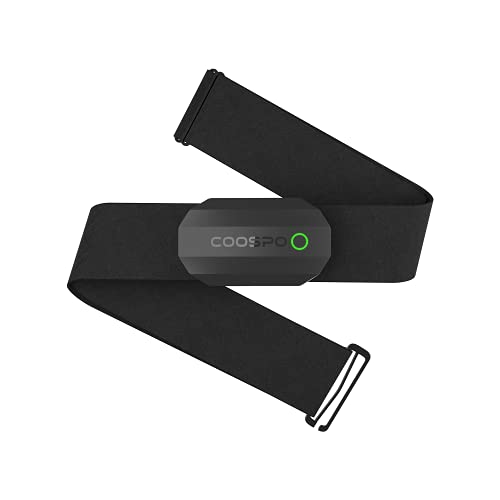
- 300-hour replaceable-battery life
- ANT+ and Bluetooth connectivity
- IP67 waterproof design
Best For: Budget-conscious training and app-based workouts
Best Rechargeable Premium

- Up to two months per charge
- Stores workouts without a watch
- Adds HRV and running dynamics
Best For: Garmin users and data-driven athletes
Longest Battery Life

- Up to 800 hours per battery
- ANT+ and Bluetooth compatible
- IP67 waterproof construction
Best For: Frequent training with minimal battery maintenance
Best Set-and-Forget Garmin

- Up to one year per battery
- Tracks heart rate and HRV
- Machine-washable, 3 ATM-rated strap
Best For: Garmin users seeking simple long-term tracking
Best Smart Band

- 21-day battery life
- Bright 1.72-inch AMOLED display
- Heart rate, sleep, and multi-sport tracking
Best For: Everyday wellness and fitness tracking with infrequent charging
Best Chest Strap
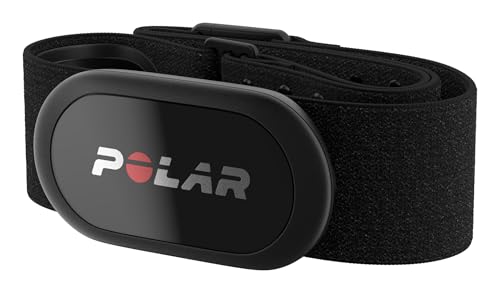
- 400-hour battery life
- High-precision heart-rate sensing
- Bluetooth and ANT+ connectivity
Best For: Structured training and accurate readings across compatible devices
Best Armband Value

- 110-hour rechargeable battery
- 30-minute full charge
- Bluetooth and ANT+ support
Best For: Comfortable wrist-free training with connected devices
Best for Ultra-Long Training
Wahoo TRACKR Heart Rate Monitor

- Up to 200 hours of active battery life
- ANT+ and Bluetooth connectivity
- Soft, secure chest strap with LED indicators
Best For: Extended training sessions and multi-device setups
Best for Swimming and Running Metrics
SUUNTO Smart Heart Rate Belt 2

- Up to 460 hours from a replaceable CR2032
- Stores up to 20 hours of rolling R-R data
- 30-meter water resistance with Bluetooth LE
Best For: Swimmers, runners, and Suunto watch users
Best for Comfortable Arm-Worn Training

- 38 hours of operation and 80 days of standby
- Soft, breathable auto-detect armband
- Connects with up to three Bluetooth devices
Best For: Bluetooth-based training with an armband preference
Best Budget Battery – COOSPO H808S Chest Strap
For shoppers comparing heart rate monitors with long battery life, the COOSPO H808S offers up to 300 hours from a replaceable CR2032 battery. Its ANT+ and Bluetooth connectivity makes it practical for pairing with phones, watches, bike computers, and popular training apps.
Best For: Everyday training, cycling, and app-based workouts on a budget.
Pros:
- Up to 300 hours of battery life with a replaceable CR2032 cell
- Supports both ANT+ and Bluetooth connections
- IP67 waterproof design and claimed ±1 BPM accuracy
- Works with apps and devices including Peloton, Strava, Zwift, and Wahoo Fitness
Cons:
- Requires moistening the electrode zones before use
- The strap is recommended for replacement after six months or 300 washes
- Bluetooth pairing should be completed through the fitness app rather than phone settings
The H808S is a straightforward chest-strap option when replaceable-battery convenience, broad compatibility, and a low-maintenance waterproof design matter more than advanced stored workout features.
Best Rechargeable Premium – Garmin HRM 600
The Garmin HRM 600 is a feature-rich choice among heart rate monitors with long battery life, offering up to two months per charge. It records workouts when a watch cannot be worn and adds HRV, running dynamics, swim support, and Garmin Connect syncing for data-focused athletes.
Best For: Garmin users and athletes who want detailed training data beyond heart rate.
Pros:
- Rechargeable battery lasts up to two months
- Records activity data during team sports and syncs with Garmin Connect
- Provides HRV, running dynamics, and indoor pace and distance features with compatible devices
- Machine-washable strap available in two sizes
Cons:
- Many advanced features require a compatible Garmin smartwatch
- Two-month battery life is shorter than several replaceable-battery alternatives
- Designed around the Garmin ecosystem for its fullest functionality
The HRM 600 is the strongest fit for Garmin-focused users who value rechargeable convenience and extensive performance metrics, provided they have compatible equipment to use its advanced features.
Longest Battery Life – GEOID HS500 Chest Strap
If maximum runtime is the priority, the GEOID HS500 stands out among heart rate monitors with long battery life with up to 800 hours from a replaceable battery. It uses ANT+ and Bluetooth to connect with phones, sports watches, bike computers, fitness equipment, and numerous training apps.
Best For: Frequent athletes who want exceptionally long battery life and broad device compatibility.
Pros:
- Up to 800 hours of battery life with a replaceable battery
- Supports ANT+ and Bluetooth connections
- IP67 waterproof construction for cycling, running, fitness, and football
- Includes a one-year limited warranty and app compatibility across major platforms
Cons:
- Swimming is not recommended
- Bluetooth pairing should be done through the app rather than directly through phone settings
- It does not offer the stored workout and advanced running metrics listed for some Garmin models
The HS500 is a compelling runtime-first pick for users who do not want frequent battery changes. Its dual-protocol connectivity also makes it flexible for mixed device and app setups.
Best Set-and-Forget Garmin – Garmin HRM 200
The Garmin HRM 200 is a practical choice for shoppers seeking heart rate monitors with long battery life, offering up to one year from a user-replaceable battery. It focuses on accurate real-time heart rate and HRV transmission while adding a durable, machine-washable strap.
Best For: Garmin users who want long-term, low-maintenance heart rate and HRV tracking.
Pros:
- Up to one year of battery life with a replaceable battery
- Transmits heart rate and HRV data to compatible Garmin devices, apps, and equipment
- Machine-washable strap available in two sizes
- 3 ATM water rating for durable everyday use
Cons:
- Full compatibility is centered on Garmin devices, apps, and supported equipment
- Does not list the HRM 600’s workout storage or running-dynamics features
- Size selection matters because the supplied model is M-XL
The HRM 200 makes sense for Garmin owners who want reliable core metrics without recharging every few weeks. Its replaceable battery and washable strap keep routine maintenance simple.
Best Smart Band – Xiaomi Smart Band 10
The Xiaomi Smart Band 10 is a strong option among heart rate monitors with long battery life if you want a wrist-based activity tracker rather than a dedicated sensor. Its 21-day battery rating, bright AMOLED display, sleep monitoring, blood oxygen tracking, and 5ATM water resistance make it suited to everyday fitness and wellness tracking.
Best For: Everyday activity, sleep, swimming, and multi-sport tracking with minimal charging.
Pros:
- Up to 21 days of battery life, with approximately one-hour full charging.
- Large 1.72-inch AMOLED display with 1500-nit HBM brightness.
- Tracks heart rate, sleep, blood oxygen, and multiple sports.
- 5ATM water resistance and a swimming-direction compass.
Cons:
- No built-in GPS, so it relies on a connected device for location tracking.
- Xiaomi Fit primarily supports metric measurements; imperial displays may require a third-party connection.
The Smart Band 10 prioritizes long wear time and broad wellness features. It is a practical pick for users who want frequent heart-rate and activity tracking without charging every day, but it is less suitable if standalone GPS is essential.
Best Chest Strap – Polar H10 Heart Rate Monitor
The Polar H10 is a focused choice among heart rate monitors with long battery life for users who prioritize measurement accuracy and broad device compatibility. Its chest-strap design, simultaneous Bluetooth and ANT+ connections, waterproof construction, and 400-hour battery life suit structured training.
Best For: Athletes and serious fitness users who need a highly accurate heart-rate sensor for compatible equipment and apps.
Pros:
- Up to 400 hours of battery life from an included CR2025 battery.
- Designed for high-precision heart-rate measurement.
- Supports Bluetooth, ANT+, and 5 kHz connections.
- Waterproof sensor with internal memory for multiple hours.
Cons:
- Requires wearing a chest strap rather than a wrist device.
- Uses a replaceable CR2025 button-cell battery instead of rechargeable charging.
The H10 is a specialized training sensor, not a general-purpose smartwatch. Its long battery runtime and flexible connectivity make it particularly compelling for users who already train with compatible phones, watches, gym equipment, or cycling computers.
Best Armband Value – CYCPLUS H1 Heart Rate Monitor
The CYCPLUS H1 is a convenient option among heart rate monitors with long battery life for people who prefer an armband over a chest strap or smartwatch. It offers 110 hours of use, fast magnetic charging, optical heart-rate tracking, color-coded zones, and Bluetooth 5.1 and ANT+ connectivity.
Best For: Cyclists and multisport users who want a lightweight, rechargeable heart-rate armband with broad wireless compatibility.
Pros:
- Up to 110 hours of battery life with a 30-minute full charge.
- Lightweight armband design leaves the wrist free.
- Claims heart-rate accuracy of ±1 BPM during exercise.
- Bluetooth 5.1 and ANT+ support multiple compatible devices.
Cons:
- No display, so readings are viewed through a connected device or color LED zones.
- IP67 water resistance is listed to a depth of 1 meter, rather than a swim-focused rating.
The H1 balances comfort, useful battery life, and flexible connectivity in a compact form. It is a good fit when you want live heart-rate data for training equipment or a phone without wearing a chest strap or occupying your wrist.
Best for Ultra-Long Training – Wahoo TRACKR Heart Rate Monitor
For athletes seeking heart rate monitors with long battery life, the Wahoo TRACKR stands out with up to 200 hours of active use. Its chest-strap design, accurate real-time readings, and ANT+ and Bluetooth connectivity make it practical for extended training sessions.
Best For: Athletes who want a rechargeable chest-strap monitor for long training blocks and broad device compatibility.
Pros:
- Up to 200 hours of active battery life.
- Supports both ANT+ and Bluetooth connections.
- Slim, soft, secure strap with status LEDs.
Cons:
- Chest-strap format may not suit users who prefer an armband.
- Listed as compatible with smartphones, but specific device support may vary.
The TRACKR is a strong choice when minimizing charging interruptions matters most. Its rechargeable battery and dual connectivity give it flexibility for multi-device training setups.
Best for Swimming and Running Metrics – SUUNTO Smart Heart Rate Belt 2
The SUUNTO Smart Heart Rate Belt 2 is a compelling option among heart rate monitors with long battery life, offering up to 460 hours from a replaceable CR2032 battery. It adds built-in memory for underwater use and running-form metrics when paired with compatible Suunto watches.
Best For: Swimmers, runners, and Suunto users who need extended battery life and stored workout data.
Pros:
- Up to 460 hours of battery life with a replaceable CR2032.
- Stores up to 20 hours of rolling R-R data when Bluetooth drops underwater.
- 30-meter water resistance and ECG-based measurement.
- Can hold up to three Bluetooth connections at once.
Cons:
- Advanced running-form features require compatible Suunto watches.
- Uses Bluetooth Low Energy rather than advertised ANT+ connectivity.
With exceptional battery endurance, water resistance, and onboard memory, this belt is particularly well suited to multisport training. Its specialized Suunto features are most valuable within the compatible Suunto ecosystem.
Best for Comfortable Arm-Worn Training – COROS Heart Rate Monitor
The COROS Heart Rate Monitor offers an arm-worn alternative for shoppers comparing heart rate monitors with long battery life. It provides 38 hours of full operation, up to 80 days of standby, and automatic wear detection in a soft, breathable band.
Best For: Athletes who prefer a comfortable armband and primarily use Bluetooth-compatible training devices.
Pros:
- 38 hours of operation or up to 80 days on standby.
- Soft, breathable band with flexible fit and quick sensor removal for cleaning.
- Pairs with up to three devices simultaneously.
- Automatically powers on and off when worn.
Cons:
- Bluetooth only; it is not compatible with ANT+.
- Shorter active battery life than the listed chest-strap alternatives.
- USB charging cable is included, but a Type-C adapter is not.
The COROS is best when wearing comfort and convenience outweigh maximum active runtime. Its auto-wear detection and armband design simplify workouts, while Bluetooth-only connectivity limits some equipment pairings.
How We Picked the Best Heart Rate Monitors with Long Battery Life
We focused on battery endurance, connection options, wearing comfort, water resistance, and compatibility with phones, watches, bike computers, and fitness apps. The selection includes models with exceptionally long replaceable-battery life, rechargeable monitors designed for frequent training, and a smart band for shoppers who want broader activity tracking.
We also considered how each design captures heart rate. Chest straps typically provide the most responsive readings during intervals and high-intensity exercise, while armbands can be easier to wear. Wrist-based bands are convenient for all-day use but may respond more slowly during rapid changes in effort.
Quick Comparison
- Longest stated battery life: GEOID HS500 and COOSPO H808S are notable choices for shoppers prioritizing fewer battery changes.
- Established chest-strap options: Polar H10, Garmin HRM 600, Garmin HRM 200, Wahoo TRACKR, SUUNTO Smart Heart Rate Belt 2, and COROS Heart Rate Monitor suit structured training ecosystems.
- Armband alternative: The CYCPLUS H1 offers a less restrictive fit than a chest strap.
- Broader daily tracking: Xiaomi Mi Smart Band 10 adds a display, activity features, and multi-sport functions alongside extended battery life.
Key Buying Factors for Heart Rate Monitors with Long Battery Life
Battery Type and Real-World Endurance
Check whether the monitor uses a replaceable coin cell or a rechargeable battery. Replaceable-battery models may last hundreds of hours and are convenient for travel, while rechargeable units avoid carrying spare cells. Advertised endurance varies with transmission mode, workout frequency, storage, and temperature, so treat it as a reference rather than a guarantee.
Connectivity and Device Compatibility
ANT+ is useful for cycling computers, sports watches, and gym equipment; Bluetooth is generally convenient for phones and many fitness apps. If you plan to connect to several devices at once, verify the product’s supported connection limits before buying. Also check compatibility with your preferred training platform.
Fit, Accuracy, and Water Resistance
A chest strap should sit firmly below the chest muscles without restricting breathing, and its electrodes may need moisture for a stable signal. Armbands can be more comfortable for some users but should remain snug. For swimming or heavy rain, confirm the monitor’s waterproof rating and whether the battery compartment is designed for that use.
Features Beyond Heart Rate
Decide whether you need only live heart-rate data or also want workout storage, activity tracking, a display, automatic wear detection, heart-rate variability features, or running and cycling metrics. Extra functions can improve convenience but may increase charging needs or price.
Who Should Buy Which Heart Rate Monitors with Long Battery Life?
- Choose a long-life chest strap if you want responsive readings for intervals, cycling, running, or serious training with minimal maintenance.
- Choose Garmin, Polar, Wahoo, SUUNTO, or COROS when your existing watch or app ecosystem is a major part of your training setup.
- Choose an armband if chest straps feel uncomfortable or you prefer a less restrictive sensor location.
- Choose the Xiaomi smart band if you want a screen and all-day activity features rather than a dedicated heart-rate sensor alone.
Before ordering, confirm the strap or band size, supported protocols, included battery or charging cable, and the monitor’s compatibility with your exact watch, phone, or fitness equipment.