Finding a running watch that fits a smaller wrist can be surprisingly difficult. The best options combine a compact case, comfortable strap, clear workout data, and dependable battery life without feeling bulky during a run.
This roundup compares 10 running watches for small wrists, including focused GPS models, everyday fitness smartwatches, and straightforward digital timers for different budgets and training goals.
Best 10 Running Watches for Small Wrists Picks for 2026
Best Training Companion

- 43 mm lightweight case with built-in GPS
- AMOLED display plus button controls
- Adaptive workouts and up to 11-day battery
Best For: Data-focused runners wanting structured training features
Best Classic Running Timer

- Compact 34.4 mm resin case
- 100-hour chronograph with 10-lap memory
- INDIGLO lighting and 100-meter water resistance
Best For: Runners wanting simple, reliable lap timing
Best Small Swim-and-Run Timer

- Compact 33 mm resin case
- 10-lap memory and 100-hour chronograph
- 100-meter water resistance with INDIGLO
Best For: Runners and swimmers wanting simple workout timing
Best All-Around Pick

- 42mm case with AMOLED display
- Built-in GPS and 30+ sports apps
- Up to 11 days in smartwatch mode
Best For: Runners wanting balanced training, wellness, and smartwatch features
Best Budget Feature Mix
GPS Running Watch with 170+ Modes
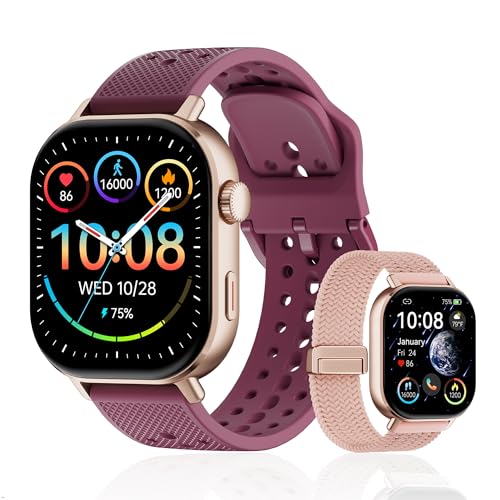
- Fits wrists from 5.5 to 8.5 inches
- Tracks pace, distance, and routes without a phone
- Up to 7 days of heavy-use battery
Best For: Runners seeking many features, adjustable fit, and long battery life
Best for Structured Training

- 42mm case designed for smaller wrists
- Adaptive running and triathlon coaching
- Up to 18 hours in GPS mode
Best For: Dedicated runners training for events or tracking recovery
Lightweight Training Pick

- 39g lightweight design
- Dual-band GPS and running metrics
- Up to 15 days of battery life
Best For: Runners wanting extensive training features in a lightweight watch
Dedicated Running Choice
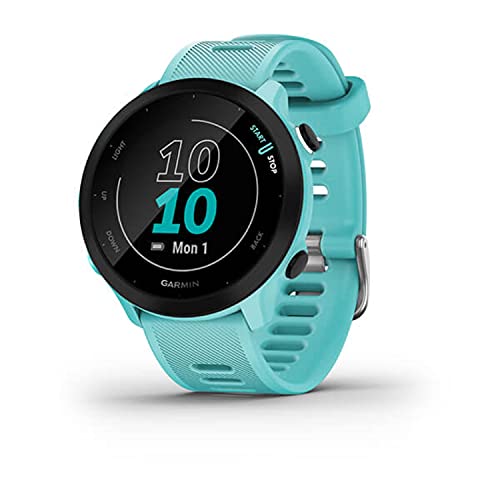
- 37g running-focused design
- Built-in GPS and wrist heart rate
- Up to 20 hours in GPS mode
Best For: Runners wanting standalone GPS and structured workout guidance
Best Training Companion – Garmin Forerunner 165
For runners seeking running watches for small wrists, the Garmin Forerunner 165 offers a lightweight 43 mm design with built-in GPS, wrist-based heart-rate tracking, and an AMOLED touchscreen. Traditional buttons, adaptive workout suggestions, and strong battery life make it practical for everyday training.
Best For: Runners who want detailed training guidance, GPS tracking, and smartwatch features in a relatively compact design.
Pros:
- Built-in GPS tracks pace and distance, while wrist-based heart-rate monitoring supports workout analysis.
- AMOLED touchscreen combines with traditional button controls for flexible operation.
- Up to 11 days of smartwatch battery life and up to 19 hours in GPS mode.
- Includes adaptive suggested workouts, Garmin Coach plans, recovery time, and 25+ activity profiles.
Cons:
- The 43 mm case may not feel as compact as the smaller watches in this roundup.
- Safety features and smart notifications require pairing with a compatible smartphone.
The Forerunner 165 is the most training-focused option here. Its combination of GPS, recovery insights, structured plans, and a lightweight 43 mm case makes it a strong choice when running data matters more than a minimalist watch design.
Best Classic Running Timer – Timex Ironman Essential 34mm
The Timex Ironman Essential is a straightforward option among running watches for small wrists, with a 34.4 mm case, lightweight resin construction, and an adjustable strap for wrists up to 7.5 inches. It focuses on dependable timing rather than GPS or smartphone connectivity.
Best For: Runners who want an uncomplicated digital training watch with lap memory, alarms, and an easy-to-read backlight.
Pros:
- Compact 34.4 mm case and lightweight 22.68 g construction suit smaller wrists.
- 100-hour chronograph with 10-lap memory supports lap and split timing.
- Includes a 24-hour countdown timer, customizable alarm, dual time zones, and calendar.
- INDIGLO lighting improves visibility from bright daylight to darkness.
Cons:
- Does not include built-in GPS or wrist-based heart-rate tracking.
- Battery-powered quartz design lacks smartwatch notifications and app-based training features.
This Timex is a practical pick for runners who prefer buttons, clear timing functions, and a small profile. It is best suited to measured workouts where lap timing matters more than route or health-data tracking.
Best Small Stylish GPS Watch – Garmin Lily 2 Active
The Garmin Lily 2 Active is a stylish choice for anyone comparing running watches for small wrists. Its 38 mm case, silicone band, built-in GPS, and patterned lens create a smaller everyday profile while still supporting running, fitness, health, and smartwatch features.
Best For: Runners who want a compact, fashion-conscious watch with GPS, wellness tracking, and guided workouts.
Pros:
- Small 38 mm design with a metal case, patterned lens, and silicone band.
- Built-in GPS supports outdoor activity tracking, including running.
- Tracks sleep score, Body Battery, stress, heart rate, hydration, and activity metrics.
- Offers Garmin Coach plans, on-screen workouts, smart notifications, and Garmin Pay.
Cons:
- Its health and fitness information is intended as a close estimation of tracked metrics.
- The feature set emphasizes general wellness and style rather than dedicated advanced running analysis.
The Lily 2 Active balances a genuinely small case with useful GPS and training support. It is a particularly appealing option when you want a running-capable smartwatch that can also blend into everyday outfits.
Best Small Swim-and-Run Timer – Timex Ironman Transit 33mm
The Timex Ironman Transit 33mm is a compact, no-frills option among running watches for small wrists. Its 33 mm resin case and adjustable 12 mm strap fit wrists up to 7.5 inches, while the chronograph, lap memory, countdown timer, and 100-meter water resistance support everyday training.
Best For: Runners and swimmers who need simple workout timing in a small, water-resistant digital watch.
Pros:
- Small 33 mm case and adjustable resin strap provide a compact fit.
- 100-hour chronograph with 10-lap memory tracks lap and split times.
- Includes a 24-hour countdown timer, customizable alarm, dual time zones, and calendar.
- 100-meter water resistance and INDIGLO lighting add practical versatility.
Cons:
- Does not provide GPS, heart-rate monitoring, or smartwatch notifications.
- Its digital display and resin construction are more functional than premium-looking.
The Ironman Transit is a sensible choice for small-wrist athletes who value straightforward timing and water resistance. Choose it over a smartwatch when you do not need route tracking or connected training data.
Best All-Around Pick – Garmin vívoactive 5
For runners comparing running watches for small wrists, the 42mm Garmin vívoactive 5 offers a practical balance of fitness tracking, health insights, and everyday smartwatch features. Its AMOLED display, built-in GPS, and long smartwatch battery life make it suited to regular training without a bulky design.
Best For: Runners who want broad health, fitness, and smartwatch features in a compact 42mm case.
Pros:
- 42mm case with a bright AMOLED touchscreen and button controls.
- Built-in GPS and more than 30 indoor and GPS sports apps, including running.
- Up to 11 days of battery life in smartwatch mode, or up to 5 days with the display always on.
- Includes Garmin Coach plans, recovery time, workout benefit, sleep coaching, and Body Battery insights.
Cons:
- The extensive health and wellness features may be more than a minimalist runner needs.
- The supplied details do not specify battery life in GPS mode.
The vívoactive 5 is a versatile choice for smaller wrists, especially if you want one watch for running, general exercise, sleep tracking, and daily notifications rather than a running-only device.
Best Budget Feature Mix – GPS Running Watch with 170+ Modes
This GPS running watch is a feature-packed option for shoppers seeking running watches for small wrists, with interchangeable bands designed for wrists from 5.5 to 8.5 inches. It tracks pace, distance, routes, and calories without requiring a phone during a run, while also adding call, text, and outdoor-navigation tools.
Best For: Runners who want a large, easy-read display, extensive activity modes, and long battery life at a feature-focused price point.
Pros:
- Built-in GPS tracks real-time pace, distance, route, and calorie burn without a phone.
- Two interchangeable bands fit wrists from 5.5 to 8.5 inches.
- Offers 7 days of heavy use, 20 days of light use, or up to 30 days on standby.
- Includes 170+ sport modes, 5ATM water resistance, music control, and call and message notifications.
Cons:
- The 2.06-inch square display may feel large on especially petite wrists.
- GPS performance is best in open outdoor areas.
- It is not intended for hot showers, diving, or high-velocity water sports.
With its adjustable band range and generous battery claims, this watch can suit smaller wrists that still prefer a large screen. Consider it when convenience features and battery endurance matter as much as core run tracking.
Best for Structured Training – Garmin Forerunner 570
The 42mm Garmin Forerunner 570 is purpose-built for runners with smaller wrists who want more structured training guidance. Its AMOLED touchscreen, physical buttons, built-in GPS, adaptive Garmin Coach plans, and training-readiness metrics support runners preparing for events or tracking recovery closely.
Best For: Dedicated runners and triathletes who want personalized workouts, training analysis, and multisport support in a 42mm watch.
Pros:
- 42mm size is specifically designed to fit smaller wrists.
- Personalized Garmin Coach running and triathlon plans adapt to performance and recovery.
- Up to 18 hours of GPS battery life and up to 10 days in smartwatch mode.
- Includes training readiness, training status, suggested workouts, and 30+ activity profiles.
Cons:
- Its training-focused features may be unnecessary for casual runners.
- Calls, messages, and safety features require pairing with a compatible smartphone.
The Forerunner 570 is the strongest fit here for runners who want actionable training direction rather than basic activity tracking. The compact case, physical controls, and dedicated running features make it a compelling choice for race preparation and regular performance monitoring.
Lightweight Training Pick – mibro GS Active2
For shoppers comparing running watches for small wrists, the mibro GS Active2 stands out for its 39g weight and nylon band. Its 46mm case is relatively broad, but the lightweight build may feel comfortable during longer runs, while dual-band GPS and dedicated training features provide useful workout data.
Best For: Runners who prioritize low weight, training guidance, and long battery life.
Pros:
- Light 39g body with nylon band for extended wear.
- Professional running mode tracks cadence, stride, pace, VO₂ Max, and running ability.
- Offers adaptive 5K, 10K, and half-marathon training plans.
- Up to 15 days of daily battery life and about 15 hours in GPS mode.
Cons:
- The 46mm case may feel large on especially narrow wrists.
- Some navigation and connected features may require smartphone pairing.
- Not suitable for hot springs or hot showers.
The GS Active2 is a feature-rich option with unusually low weight and strong training support. Check the case dimensions carefully if your wrist is very small, but its lightweight design makes it worth considering for runners who want extensive metrics without a heavy feel.
Smallest Stylish Option – Garmin Lily 2
The Garmin Lily 2 is one of the more wrist-friendly choices for people seeking running watches for small wrists, with a compact 35.4mm case and support for wrists measuring 110–175mm. It uses your compatible smartphone’s GPS for outdoor run tracking, making it better suited to casual runners than athletes who need standalone GPS.
Best For: Small-wrist users who want a compact, stylish smartwatch for casual runs and everyday wellness tracking.
Pros:
- Compact 35.4mm case fits wrists from 110–175mm.
- Metal case and patterned lens offer a polished, minimalist look.
- Tracks runs through a paired smartphone’s GPS.
- Includes sleep, stress, Body Battery, heart-rate, hydration, and activity features.
Cons:
- Does not have standalone GPS; outdoor run tracking depends on a compatible smartphone.
- Battery life is up to five days, shorter than dedicated running watches listed here.
- Its sports features are less running-specific than those on the Forerunner 55 or GS Active2.
The Lily 2 is the strongest fit-focused choice in this group, particularly for smaller wrists and everyday wear. Choose it if compact styling and wellness tracking matter more than advanced standalone running tools.
Dedicated Running Choice – Garmin Forerunner 55
The Garmin Forerunner 55 is a practical pick among running watches for small wrists, weighing 37g and measuring 1.65 inches across. It provides built-in GPS, wrist-based heart-rate monitoring, suggested workouts, and pace guidance, although its dedicated running layout is less compact than the Garmin Lily 2.
Best For: Runners who want standalone GPS and structured training tools without a heavy watch.
Pros:
- 37g weight keeps it relatively light for daily training.
- Built-in GPS tracks distance, pace, and route without relying on a phone.
- Daily suggested workouts adapt to training history, fitness level, and recovery time.
- Up to two weeks in smartwatch mode and up to 20 hours in GPS mode.
Cons:
- Its 1.65-inch case may be less suitable for very narrow wrists.
- Uses physical buttons rather than a touchscreen.
- Some connected customization features require Garmin smartphone apps.
The Forerunner 55 is the most purpose-built running watch here, balancing low weight with reliable standalone GPS and useful training guidance. It is a sensible choice for small-wrist runners who can accept a somewhat larger case in exchange for stronger running functionality.
How We Picked These Running Watches for Small Wrists
We focused on models with compact case sizes—generally 42mm or smaller—or designs known for a relatively light, low-profile fit. We also considered running usefulness, including GPS availability, pace and distance tracking, workout guidance, water resistance, battery expectations, and ease of reading data while moving.
The selection covers a wide range of needs: advanced Garmin training watches, lifestyle-focused smartwatches, basic Timex Ironman models, and affordable GPS alternatives. Because wrist comfort is personal, strap adjustability and overall weight matter just as much as the diameter listed on the product page.
Quick Comparison
| Best For | Recommended Type | What to Prioritize |
|---|---|---|
| Structured training | Garmin Forerunner 165 or 570 | GPS accuracy, workout metrics, training features |
| Everyday wear and running | Garmin Lily 2 Active or vívoactive 5 | Comfort, health tracking, smart features |
| Simple run timing | Timex Ironman Essential or Transit | Light weight, stopwatch controls, battery simplicity |
| Budget GPS tracking | Garmin Forerunner 55 or mibro GS Active2 | Reliable distance, pace, and battery life |
Key Buying Factors
Case Size, Weight, and Strap Fit
A smaller case usually sits more comfortably on a narrow wrist, but shape and weight also affect the fit. Look for a flexible strap with plenty of adjustment holes, and check whether the watch stays stable when your arm is swinging. A watch that slides around can make heart-rate readings and touchscreen controls less dependable.
GPS and Running Metrics
Built-in GPS is valuable if you want distance, route, pace, or speed without carrying a phone. Runners who mainly use a treadmill or track may prefer a simpler stopwatch, while outdoor runners should compare GPS reliability and whether the watch supports useful metrics such as lap pace, average pace, intervals, or suggested workouts.
Battery Life and Charging
Battery claims often vary substantially between smartwatch mode and GPS mode. Frequent runners should choose a model that can cover their longest activities with room to spare. Basic digital watches generally avoid charging altogether, while feature-rich GPS watches require a regular charging routine.
Display and Controls
Touchscreens can be convenient for everyday use, but physical buttons are often easier to operate with sweaty fingers or during intervals. Consider display brightness, text size, data-screen customization, and whether you can quickly start, pause, and mark laps.
Who Should Buy Which Running Watches for Small Wrists?
Choose the Garmin Forerunner 165 or Forerunner 570 if training insights and detailed running data are your priorities. The Forerunner 55 is a sensible lower-cost choice for runners who want core GPS features and guided workouts.
For a watch that transitions easily from workouts to daily wear, consider the Garmin Lily 2 Active or vívoactive 5. The standard Lily 2 is better suited to shoppers who value a small, stylish smartwatch and general wellness tracking more than advanced running tools.
Pick the Timex Ironman Essential or Ironman Transit if you want a lightweight, uncomplicated timer with no charging concerns. The mibro GS Active2 or the basic GPS running watch is worth considering when built-in route and pace tracking matters but you want to keep spending lower. Before buying, confirm the exact case dimensions, strap range, return policy, and compatibility with your phone.