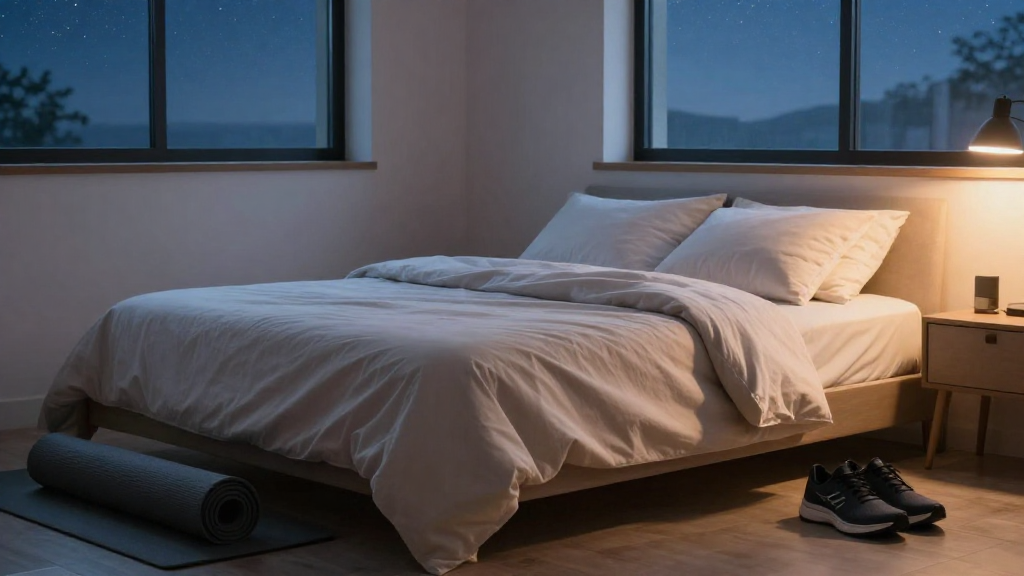
When it comes to the relationship between workout and sleep, many individuals wonder how these two essential aspects of health are intertwined.
It’s well-documented that physical activity can have a significant impact on sleep quality.
But how does workout affect your sleep quality? Let’s explore this intriguing relationship in detail.
What Happens to Your Body During a Workout?
When you engage in a workout, a variety of physiological changes occur in your body:
- Increased Heart Rate: Your heart pumps faster to supply blood to your muscles.
- Endorphin Release: Activity triggers the release of endorphins, which are often referred to as “feel-good” hormones.
- Core Body Temperature Rise: Your body temperature increases during exercise and gradually returns to normal post-workout.
These changes contribute not only to improved fitness levels but also to sleep quality.
How Does Workout Promote Better Sleep Quality?
So, how exactly does workout affect your sleep quality? Here are some ways:
-
Reduced Anxiety and Stress:
– Regular exercise is known to decrease levels of anxiety and stress.
– The endorphins released during workouts can improve mood and help you unwind, making it easier to fall asleep. -
Better Sleep Cycle Regulation:
– Physical activity helps in regulating your body’s internal clock.
– It can encourage a more consistent sleep schedule, leading to improved sleep quality. -
Increased Slow-Wave Sleep:
– Studies show that aerobic exercise enhances slow-wave sleep, which is the deep restorative sleep your body needs for recovery.
– Slow-wave sleep contributes significantly to physical healing and cognitive function. -
Fatigue from Physical Activity:
– A workout can lead to physical fatigue, which can help you fall asleep faster.
– Feeling physically tired makes it easier to drift into sleep.
What Types of Workouts Are Best for Sleep?
Are all workouts equal when it comes to sleep quality? Not necessarily. Certain types of exercise may be more beneficial than others:
1. Aerobic Exercises:
- Activities like running, cycling, and swimming have been shown to improve sleep quality.
- They can increase endurance and reduce feelings of depression or anxiety.
2. Strength Training:
- Weight lifting not only builds muscle but also positively impacts sleep patterns.
- Some studies indicate that resistance training helps improve sleep quality by reducing insomnia symptoms.
3. Yoga and Stretching:
- Gentle workouts like yoga focus on relaxation and mindfulness, which can significantly enhance sleep quality.
- Incorporating deep breathing and meditation into your routine can further help in unwinding before bedtime.
What Time Should You Workout for Optimal Sleep?
Does the time of your workout influence sleep quality? Absolutely! Here are some considerations:
-
Morning Workouts: Exercising in the morning can set a positive tone for the day and help regulate your circadian rhythm.
-
Afternoon Workouts: Some studies suggest working out in the afternoon can also improve sleep quality by helping your body to wind down more effectively in the evening.
-
Evening Workouts: Higher-intensity workouts late in the evening might interfere with sleep due to elevated heart rates and increased body temperature. However, if you’re doing light exercises like stretching or yoga, it may still promote better sleep.
Ultimately, the best time to workout for sleep quality varies from person to person.
Experimenting with different timings can help you find what works best for you.
Can Too Much Workout Disturb Your Sleep?
Can excessive workouts negatively affect sleep quality? Yes, it can. Here’s why:
-
Overtraining Syndrome: Engaging in too much exercise without adequate rest can lead to fatigue, depression, and anxiety, which in turn can disrupt sleep patterns.
-
Hormonal Changes: Overexercising can elevate stress hormones like cortisol, which may keep you awake at night.
To optimize the benefits of exercise on sleep, it’s crucial to maintain a balanced workout routine.
Incorporate rest days and listen to your body’s signals to prevent overtraining.
Additional Tips for Better Sleep Quality
In addition to regular workouts, consider these tips to further improve your sleep quality:
- Create a Sleep-Conducive Environment:
- Keep your bedroom dark, quiet, and cool.
-
Use comfortable bedding and consider blackout curtains or white noise machines.
-
Establish a Relaxing Bedtime Routine:
- Engage in calming activities before bed, such as reading or taking a warm bath.
-
Avoid screens and bright lights at least 30 minutes before sleep to help regulate melatonin production.
-
Limit Caffeine and Alcohol:
- Consumption of caffeine or alcohol can interfere with sleep quality.
-
Try to avoid these substances, especially in the hours leading up to bedtime.
-
Stay Hydrated:
- Dehydration can also disrupt sleep, so ensure you are adequately hydrated throughout the day while not drinking too much right before bed.
Conclusion: The Interconnectedness of Workout and Sleep
In summary, the relationship between workout and sleep is a multifaceted one.
Physical activity plays a vital role in enhancing sleep quality through a variety of mechanisms, including:
- Reducing anxiety and stress
- Regulating your sleep cycle
- Increasing deep sleep stages
However, it’s essential to pay attention to the type and timing of your workouts.
Not all exercises are created equal when it comes to optimizing sleep, and moderation is key to preventing overtraining.
By integrating a consistent workout routine with good sleep hygiene, you can significantly improve both your physical health and overall well-being.
So get moving, whether it’s a brisk walk or a vigorous gym session.
Your body—and your sleep—will thank you!