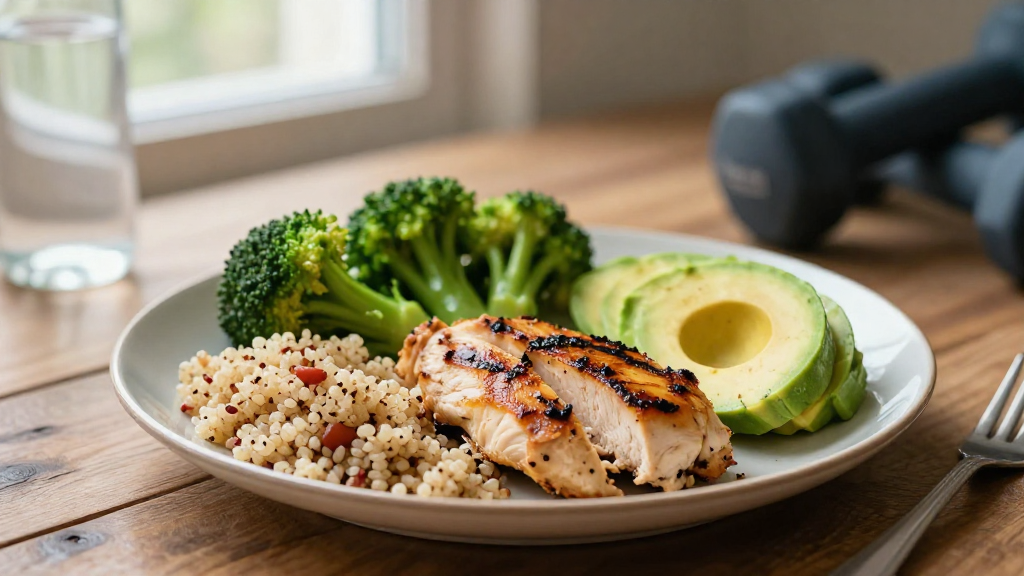
When it comes to maximizing your fitness efforts, understanding workout nutrition is essential for optimizing your performance and recovery.
Why Is Workout Nutrition Important?
Nutrition plays a crucial role in determining the outcomes of your workouts.
The right intake of nutrients before and after exercise can significantly enhance:
- Performance: Fueling your body with quality carbohydrates and protein can improve your strength and endurance.
- Recovery: Post-workout nutrition aids in muscle repair and reduces recovery time so you can hit your next workout stronger.
- Energy Levels: Properly fueling your workouts can help maintain energy levels throughout the day, making you feel more productive.
Knowing what to eat around your workouts is a key component of an effective workout nutrition guide.
What Should You Eat Before Your Workout?
Eating the right foods before your workout can set you up for success.
Focus on Timing
Aim to eat 1-2 hours before exercising.
This allows your body enough time to digest the food and convert it into energy.
Key Nutrients
-
Carbohydrates
– Why? They provide the energy your muscles need during a workout.
– Example Foods: Bananas, oats, or whole grain toast. -
Protein
– Why? Helps to prevent muscle breakdown and supports recovery.
– Example Foods: Greek yogurt, eggs, or a protein shake. -
Fats
– Why? Healthy fats can provide sustained energy but should be consumed in moderation.
– Example Foods: Nut butter, avocado, or chia seeds.
Best Pre-Workout Meals
Here are some ideal options to consider before your workout:
- Smoothie: Blend spinach, banana, protein powder, and almond milk.
- Oatmeal Bowl: Cooked oats topped with berries and a scoop of nut butter.
- Greek Yogurt & Fruit: A serving of Greek yogurt with a side of mixed fruits.
Tip: Experiment with different foods and timings to see what works best for you.
What Should You Eat After Your Workout?
Post-workout nutrition is just as critical as pre-workout meals in your workout nutrition guide.
Importance of Recovery Nutrition
After exercising, your body is in a state where it strives to replenish glycogen stores and repair muscle tissues.
Key Nutrients
-
Protein
– Why? Essential for muscle repair and rebuilding.
– Example Foods: Grilled chicken, tofu, or a protein shake. -
Carbohydrates
– Why? Replenishes glycogen stores depleted during exercise.
– Example Foods: Quinoa, sweet potatoes, or brown rice. -
Electrolytes
– Why? Important to restore hydration levels and prevent cramps.
– Example Foods: Coconut water, bananas, or smoothies with added sea salt.
Best Post-Workout Meals
Consider these satisfying options to support recovery:
- Grilled Chicken with Quinoa Salad: A protein-packed meal perfect for muscle repair.
- Smoothie Bowl: Blend protein powder with fruits and top with nuts and seeds.
- Rice and Beans: A filling, nutritionally balanced meal rich in both carbs and protein.
How Do Hydration and Nutrition Work Together?
Staying hydrated is a vital component of any workout nutrition guide.
Before, during, and after exercises, make sure to drink plenty of fluids.
Hydration Tips
- Pre-Workout: Drink at least 16-20 ounces of water 2-3 hours before exercising.
- During Workout: Aim for 7-10 ounces of water every 10-20 minutes of exercise.
- Post-Workout: Replenish with at least 16-24 ounces of fluid for every pound lost during exercise.
Electrolyte Replenishment
If your workout lasts over an hour or you’re in a hot environment, consider a sports drink or electrolyte-enhanced beverage to replenish lost nutrients.
Should You Consider Supplements?
The decision to include supplements in your workout nutrition guide can depend on several factors, such as dietary restrictions and workout intensity.
Common Supplements
-
Protein Powders
Ideal for convenient post-workout nutrition. -
Branched-Chain Amino Acids (BCAAs)
May reduce muscle soreness and improve recovery when taken before workouts. -
Creatine
Can enhance performance in high-intensity workouts.
Consult a Professional
Always consult with a healthcare provider or a dietitian before adding new supplements to your routine.
How to Personalize Your Workout Nutrition Guide?
Each individual has unique needs based on factors such as:
- Body Type
- Activity Level
- Fitness Goals
Experiment and Adjust
- Trial and Error: Test various foods and timing to see what helps you feel your best.
- Listen to Your Body: Pay attention to how your body responds to different meals—energy levels, performance, and recovery can all provide valuable feedback.
What Should You Avoid Eating?
While focusing on workout nutrition, it’s equally important to know what to avoid.
Foods to Limit
- High-Sugar Snacks: May lead to energy crashes.
- Heavy, Fatty Meals: Can cause discomfort during workouts.
- Processed Foods: Often lack nutrients and can lead to poor overall performance.
Quick Reference List
- Food to Eat:
- Lean proteins
- Whole grains
- Fruits & vegetables
- Food to Avoid:
- Sugary drinks
- Fast food
- Excessive caffeine
Conclusion
Having a well-rounded workout nutrition guide can substantially influence your fitness journey.
Understanding what to eat before and after your workouts will not only boost performance but can also speed up recovery times.
By focusing on high-quality nutrients, proper hydration, and personal preferences, anyone can create a customized nutrition plan that suits their unique needs.
Make sure to continually assess and adjust your eating habits based on your workout performance and overall health goals.
With consistent, mindful nutrition, you will be well on your way to achieving your fitness objectives!