Choosing a heart rate monitor for workouts can make training more precise, whether you are tracking intervals, building endurance, or keeping recovery efforts in check.
Below, we’ve narrowed the field to 10 strong options based on accuracy, comfort, battery life, connectivity, and overall value.
Best 10 Heart Rate Monitor for Workouts Picks for 2026
Premium Accuracy Pick
Polar H10 Heart Rate Monitor Chest Strap
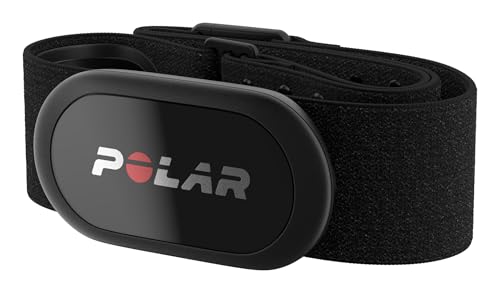
- Top precision-focused chest strap
- Bluetooth, ANT+ and 5 kHz support
- Waterproof with internal memory
Best For: Athletes who want accurate tracking and broad compatibility
Garmin Ecosystem Pick

- Real-time heart rate and HRV data
- Two strap sizes for better fit
- Up to 1 year battery life
Best For: Garmin athletes wanting a comfortable daily training strap
Budget-Friendly Choice
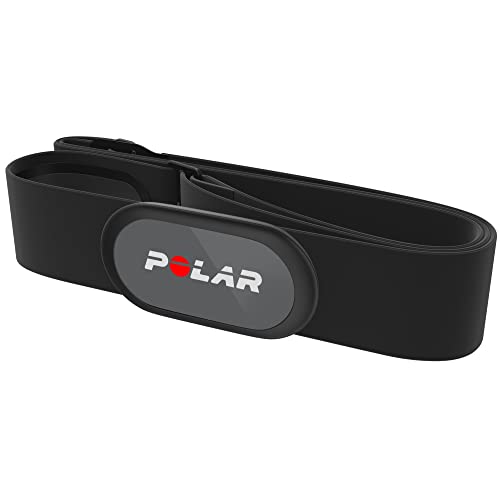
- Affordable chest-strap HR sensor
- Works with all HRM-compatible equipment
- Connects with popular smartphone apps
Best For: Users who want dependable tracking at a lower price
Advanced Training Pick
Garmin HRM 600 Heart Rate Monitor

- Real-time HR and HRV data
- Records workouts without a watch
- Adds running dynamics and swim storage
Best For: Serious Garmin athletes needing advanced metrics and recording
Armband Comfort Pick

- Comfortable armband design
- Bluetooth connects to 3 devices
- 38-hour battery life
Best For: Comfort-focused workout tracking with simple Bluetooth setup
Multi-Device Chest Strap
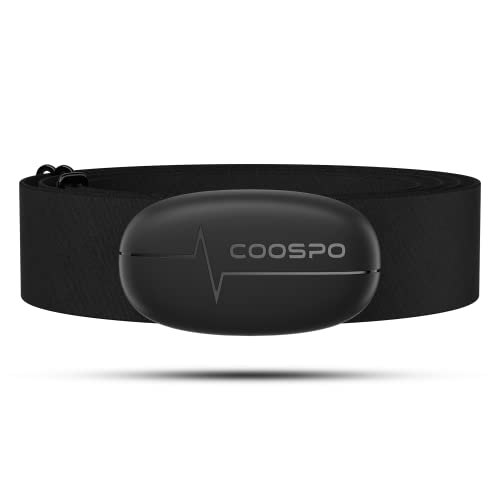
- Bluetooth 4.0 and ANT+ support
- Works with apps, watches, and gym gear
- Up to 300 hours battery life
Best For: Broad compatibility across fitness apps and training equipment
Precision Training Strap

- ECG algorithm for precise tracking
- Bluetooth and ANT+ connectivity
- 500-hour battery life
Best For: Precise training data and HRV-focused workouts
Top All-Rounder
Powr Labs Bluetooth and ANT+ Chest Strap

- Dual ANT+ and Bluetooth support
- Soft strap for long-session comfort
- 400+ hour battery life
Best For: Wide compatibility and long training sessions
Budget-Friendly Dual-Mode
COOSPO H808S Bluetooth/ANT+ Chest Strap
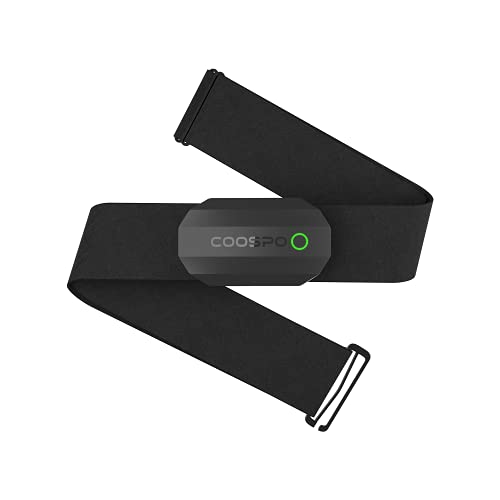
- Bluetooth 4.0 and ANT+ support
- ±1 BPM claimed accuracy
- Works with major training apps
Best For: Affordable dual-mode workout tracking
Long-Run Endurance Pick
GEOID HS500 ANT+/Bluetooth Chest Strap

- 800-hour battery life
- ANT+ and Bluetooth compatibility
- Fast wake-up under 1 second
Best For: Long training cycles and broad device pairing
Premium Accuracy Pick – Polar H10 Heart Rate Monitor Chest Strap
If you want a heart rate monitor for workouts with a strong reputation for precision, the Polar H10 is built around accurate chest-strap tracking and broad compatibility. It works with Bluetooth, ANT+ and 5 kHz, so it can pair with a wide range of devices and even support multiple simultaneous connections.
Best For: Athletes who want highly accurate chest-strap tracking across many devices and training setups.
Pros:
- Widely recognized for top precision in Polar’s history
- Bluetooth, ANT+ and 5 kHz connectivity for flexible pairing
- Can use Bluetooth and ANT+ simultaneously, plus two Bluetooth connections
- Fully waterproof with internal memory for multiple hours
Cons:
- Chest-strap design may not suit users who prefer wrist-based wear
- Uses a CR2025 button cell battery only
For workout tracking where accuracy and compatibility matter most, the H10 is a strong all-around sensor. Its comfort-focused strap, memory, and multi-device support make it especially practical for structured training.
Garmin Ecosystem Pick – Garmin HRM 200
The Garmin HRM 200 is a straightforward heart rate monitor for workouts that focuses on real-time heart rate and heart rate variability data. It is designed to work with compatible Garmin smartwatches, cycling computers, fitness equipment, apps and smartphones, making it a natural fit if you already train in Garmin’s ecosystem.
Best For: Garmin users who want a comfortable, easy-to-maintain chest strap for everyday training.
Pros:
- Transmits real-time heart rate and HRV data to compatible devices
- Comfortable strap comes in two sizes for a better fit
- Up to 1 year of battery life with a user-replaceable battery
- Machine washable for easy cleaning
Cons:
- Works with compatible Garmin devices and apps, so it is more ecosystem-specific
- Only one strap size is listed in the supplied details as M–XL for the module package
If you want a simple monitor that blends into regular training, the HRM 200 keeps the feature set focused and practical. Its long battery life and washable strap make it a low-maintenance option for consistent workout use.
Budget-Friendly Choice – Polar H9 Heart Rate Sensor
Polar H9 Heart Rate Sensor – ANT + / Bluetooth - Waterproof HR Monitor with Soft Chest Strap, M-XXL
Check Price On AmazonThe Polar H9 is a practical heart rate monitor for workouts if you want dependable chest-strap tracking without stepping up to a higher-priced model. It is positioned as an affordable HR sensor, works with all HRM-compatible equipment, and can connect with smartphone apps for flexible everyday use.
Best For: Budget-minded users who want a reliable chest-strap monitor that works with many devices.
Pros:
- Affordable heart rate monitor with a reliability-focused design
- Works with all HRM-compatible equipment
- Can connect with popular smartphone apps
- Includes a CR2025 battery
Cons:
- Fewer advanced features than higher-end models in the lineup
- Chest-strap format may not appeal to every user
For basic workout heart-rate tracking, the H9 keeps things simple and dependable. It is a good fit if you value compatibility and accuracy over extra training features.
Advanced Training Pick – Garmin HRM 600 Heart Rate Monitor
The Garmin HRM 600 is a feature-rich heart rate monitor for workouts that goes beyond basic heart rate tracking. It sends real-time heart rate and HRV data to compatible Garmin devices, records activities when you can’t wear a watch, and adds running dynamics, treadmill pace and distance support, and swim storage.
Best For: Serious Garmin athletes who want advanced training metrics and multi-sport recording.
Pros:
- Real-time heart rate and HRV data for compatible Garmin devices
- Records workouts when you can’t wear a watch and syncs to Garmin Connect
- Includes additional running dynamics and treadmill pace/distance support
- Stores heart rate data during swim activities and offers rechargeable battery power
Cons:
- Most advanced features require compatible Garmin hardware
- Rechargeable battery may be less convenient for users who prefer replaceable cells
If you want a monitor that can handle more than basic cardio tracking, the HRM 600 is built for deeper training insights. Its mix of recording, sync, and sport-specific data makes it the most capable option here.
Armband Comfort Pick – COROS Heart Rate Monitor
If you want a heart rate monitor for workouts that feels less bulky than a chest strap, the COROS armband is built for comfort and straightforward training use. It uses an advanced sensor for reliable workout heart rate data, pairs over Bluetooth, and can connect with up to three devices at once.
Best For: Athletes who want an easy-to-wear armband for workout tracking and multi-device Bluetooth connectivity.
Pros:
- Soft, breathable fabric band is more comfortable than a chest strap.
- Automatic wear detection powers it on and off when you start or stop using it.
- Bluetooth pairing supports up to three devices at once.
- 38-hour battery life is strong for regular training sessions.
Cons:
- Bluetooth only, so it is not compatible with ANT+ devices.
- Designed for sports and activities, not daily heart rate tracking.
Overall, this is a practical choice if comfort matters more than a chest strap and you mainly train in Bluetooth-connected environments. It is especially appealing for users who want a low-fuss monitor that automatically wakes up for workouts.
Multi-Device Chest Strap – COOSPO H6 Heart Rate Monitor
The COOSPO H6 is a heart rate monitor for workouts that stays focused on compatibility and broad device support. With Bluetooth 4.0 and ANT+ dual-mode connectivity, it works with many fitness apps, sports watches, bike computers, and gym equipment for real-time training data.
Best For: Riders, gym users, and app-based athletes who want a widely compatible chest strap.
Pros:
- Bluetooth and ANT+ support makes it easy to use with many devices.
- Works with popular apps like Strava, Zwift, Wahoo Fitness, and more.
- Compatible with Peloton, treadmill equipment, and cycling computers.
- Up to 300 hours of battery life with a replaceable CR2032 battery.
Cons:
- Needs the electrode areas moistened before use for stable data.
- Not for swimming and should not be soaked in water.
If you need a chest strap that plugs into a lot of workout ecosystems, the H6 is built for that job. Its big strengths are device flexibility and long battery life, though setup and comfort depend on proper strap prep.
Precision Training Strap – CYCPLUS H2Pro Chest Strap
The CYCPLUS H2Pro is a heart rate monitor for workouts aimed at users who want accurate, stable tracking with minimal distraction. It combines Bluetooth and ANT+ connectivity with an ECG algorithm designed to reduce movement and sweat interference, making it a strong fit for structured training.
Best For: Data-focused athletes who want precise heart rate tracking and HRV-friendly workout monitoring.
Pros:
- ECG algorithm helps deliver stable, precise real-time heart rate data.
- Bluetooth and ANT+ support makes syncing flexible across devices.
- Soft, breathable materials and an adjustable strap improve comfort.
- 500-hour battery life is excellent for long-term training use.
Cons:
- Like most chest straps, fit and placement matter for best results.
- Best suited to workout use rather than casual daily wear.
For athletes who care most about consistency and training detail, the H2Pro offers a compelling mix of precision and endurance. Its long battery life and HRV-oriented tracking make it especially useful for disciplined training plans.
Top All-Rounder – Powr Labs Bluetooth and ANT+ Chest Strap
If you want a heart rate monitor for workouts that pairs broadly and stays comfortable on long sessions, this Powr Labs chest strap is built around those basics. It supports both Bluetooth and ANT+ for compatibility with many watches, bike computers, and fitness apps, while the soft strap aims to reduce chafing during repeat training.
Best For: Athletes who want a low-fuss chest strap with wide device compatibility and long battery life.
Pros:
- Dual ANT+ and Bluetooth support for broad compatibility with 400+ fitness apps and devices
- Soft, seamless strap designed for all-day comfort and less chafing
- 400+ hour battery life with a replaceable battery included
- IPX67 sweatproof and water resistant for tough training conditions
Cons:
- To pair correctly, the monitor must be worn before pairing
- Chest strap format may not suit users who prefer wrist-based sensors
Overall, this is a practical choice if you value simple setup, long runtime, and broad app support over extra features. It focuses on dependable workout tracking at a lower price point than many premium chest straps.
Budget-Friendly Dual-Mode – COOSPO H808S Bluetooth/ANT+ Chest Strap
The COOSPO H808S is a straightforward heart rate monitor for workouts if you want dual-mode connectivity without a lot of complexity. It offers Bluetooth 4.0 and ANT+ support, claims ±1 BPM accuracy, and works with popular training platforms and devices through app-based pairing.
Best For: Budget-minded users who want a basic chest strap for common training apps and devices.
Pros:
- Bluetooth and ANT+ dual transmission for broader device support
- ±1 BPM claimed accuracy for real-time workout tracking
- Compatible with platforms like Peloton, Strava, Zwift, Wahoo Fitness, and Polar Beat
- IP67 waterproof design with 300-hour battery life
Cons:
- Requires moistening the electrode zones before use
- Pairing is app-based, not direct phone Bluetooth
- Battery life is shorter than some higher-end options
As a chest strap, it covers the essentials well and adds helpful connection indicators with its LED light and beep reminder. It is a sensible pick when you want reliable workout data and broad app compatibility without paying for premium extras.
Long-Run Endurance Pick – GEOID HS500 ANT+/Bluetooth Chest Strap
For a heart rate monitor for workouts that emphasizes long battery life and broad app support, the GEOID HS500 is a strong practical option. It combines ANT+ and Bluetooth compatibility with a thinner sensor design, quick wake-up time, and features intended to reduce noise from movement and sweat.
Best For: Endurance-focused users who want long battery life and flexible pairing across training gear and apps.
Pros:
- 800-hour battery life with replaceable CR2032 battery
- ANT+ and Bluetooth compatibility for many devices and apps
- Fast wake-up time of less than 1 second
- Designed to reduce interference from movement and sweating
Cons:
- Swimming is not recommended
- Like most chest straps, it depends on proper wear for best results
This model stands out if you want something you can use for a long time between battery changes and connect to a wide range of platforms. It is best seen as a durable training tool for cycling, running, fitness, and similar workouts rather than a swim-focused sensor.
How We Picked the Best Heart Rate Monitor for Workouts
We focused on the features that matter most in a Heart Rate Monitor for Workouts: reliable tracking, stable connectivity, comfortable wear for longer sessions, strong battery life, and broad app or device compatibility. We also favored models that support common training platforms and both chest-strap and sensor-style use cases.
Quick Comparison
Chest straps typically offer the most accurate and consistent readings, especially for intervals, indoor cycling, rowing, and run training. Some newer optical sensors prioritize comfort and ease of use, which can be a better fit for all-day wear or athletes who dislike chest straps. If you train with multiple devices, check for dual Bluetooth and ANT+ support before you buy.
Key Buying Factors for a Heart Rate Monitor for Workouts
Accuracy and Sensor Type
For precision, especially during fast changes in intensity, chest straps usually outperform wrist-based sensors. If your training depends on zone work or performance analysis, sensor quality should be a top priority.
Connectivity
Look for Bluetooth, ANT+, or both. Bluetooth is common for phones and fitness apps, while ANT+ is useful for gym equipment, bike computers, and broader ecosystem compatibility.
Comfort and Fit
A monitor only helps if you will wear it consistently. Adjustable straps, soft materials, and low-profile sensors matter for long runs, rides, and gym sessions. If you sweat heavily or train indoors, water resistance and a secure fit are especially important.
Battery Life
Long battery life reduces maintenance and makes the device easier to rely on week after week. Rechargeable models can be convenient, while coin-cell designs may be easier to replace on the go.
Durability and Water Resistance
Check the water-resistance rating if you run in the rain, do intense HIIT, or use the monitor for swimming-related training. Durable housings and sweat resistance help the device last longer.
Who Should Buy Which Heart Rate Monitor for Workouts?
If you want the most proven performance for structured training, choose a chest strap with dual connectivity and strong app support. If comfort and simplicity matter more than absolute precision, a lighter sensor-style option may be enough. Athletes who train across multiple platforms should prioritize Bluetooth plus ANT+ compatibility, while high-volume users should pay extra attention to battery life and strap comfort.
In short, the best Heart Rate Monitor for Workouts is the one that matches your training style, device ecosystem, and comfort preferences. Accuracy is important, but consistency and convenience often decide whether you use it every day.