The best stability balls for seniors can support gentle core work, mobility exercises, stretching, balance practice, and more comfortable active sitting. The right choice depends on body height, inflation, surface grip, and how much support you need.
Our selection includes full-size anti-burst exercise balls, compact therapy balls, and half-ball trainers for users who prefer added stability. Use the guide below to narrow the options by activity, room setup, and comfort level.
Best 10 Stability Balls for Seniors Picks for 2026
Best Overall

- Frosted anti-slip surface
- 330-pound load rating
- Five sizes with pump included
Best For: Versatile senior exercise and active sitting
Best Compact Fit
THERABAND Standard Exercise Ball

- 18-inch size for shorter users
- Slightly textured grip
- Slow-deflate construction
Best For: Adults 4 feet 7 inches to 5 feet tall
Best Multi-Use Option

- Anti-burst, slow-deflate PVC
- Five size options
- Pump and accessories included
Best For: Stretching, active sitting, and home workouts
Best for Targeted Therapy

- Compact 9-inch therapy ball
- Textured, squishy surface
- Includes inflation tube and exercises
Best For: Physical therapy, posture, and targeted core work
Comfort & Everyday Balance
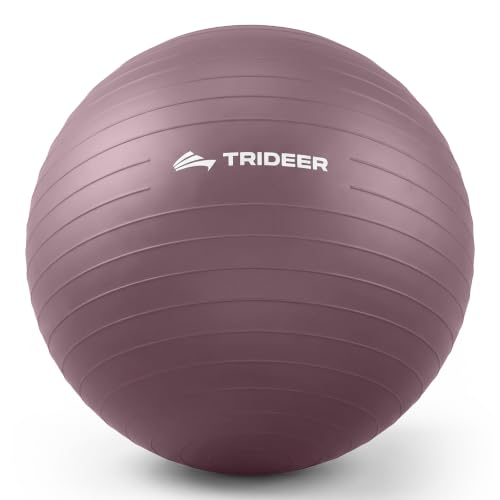
- Supports balance, posture, core, and flexibility work
- Useful for active sitting and gentle stretching
- Durable PVC with included pump
Best For: Everyday low-impact exercise and posture practice
High-Capacity Stability

- 660-pound anti-burst construction
- Textured surface supports secure footing
- Five sizes from 45 to 85 cm
Best For: Grip-focused balance training and active sitting
Rehab-Friendly Versatility

- Five sizes with height recommendations
- Includes pump, plugs, remover, and exercise guide
- Designed for active sitting and PT-style routines
Best For: Guided low-impact exercise and home PT routines
Versatile Rehab Pick
VEVOR Half Exercise Ball Trainer

- Half-ball format supports balance and varied full-body exercises
- Designed for rehabilitation and strength rebuilding
- Includes resistance bands and foot pump; rated up to 660 pounds
Best For: Home fitness and rehabilitation routines
Comfort-Focused Choice

- Slow-deflation honeycomb design helps reduce sudden falls
- Textured ridges provide traction on several floor types
- Includes pump, spare plugs, and Figure-8 resistance band
Best For: Gentle exercise, recovery, and active sitting
Best Overall – Trideer Yoga Ball
For shoppers comparing stability balls for seniors, the Trideer Yoga Ball offers a practical mix of grip, size flexibility, and included setup equipment. Its frosted, anti-slip surface is designed to help keep movements controlled during balance, flexibility, Pilates, or seated exercises.
Best For: Seniors who want a versatile exercise ball with multiple size options and a pump included.
Pros:
- Frosted texture and anti-slip stripes support secure contact with the floor and body.
- Burst-resistant construction is designed for slow air release if punctured.
- Available in five sizes and includes a pump, two stoppers, and instructions.
- Rated to hold up to 330 pounds and can also be used for active sitting.
Cons:
- The appropriate size must be selected from the available range for a proper fit.
- The included pump type varies by ball size.
With its grippy surface, broad size selection, and included accessories, this is a well-rounded choice for gentle home workouts, posture practice, and supported balance training.
Best Compact Fit – THERABAND Standard Exercise Ball
The THERABAND Standard Exercise Ball is a compact 18-inch option for people between 4 feet 7 inches and 5 feet tall. For stability balls for seniors, its slight texture, slow-deflate design, and manageable size make it suited to seated use, balance drills, and controlled home routines.
Best For: Shorter adults who need an 18-inch ball for balance, core, or active-sitting exercises.
Pros:
- Designed for users measuring 4 feet 7 inches to 5 feet tall.
- Slightly textured surface helps reduce slipping during movement or seated use.
- Slow-deflate construction provides a gradual response if damaged.
- Can be used at home, in an office, or at a gym and wipes clean with a damp cloth.
Cons:
- The fixed 18-inch size is intended for a narrower height range.
- The supplied notes do not list an included pump.
This is a straightforward choice when a smaller exercise ball fits your height and routine. Its compact dimensions may be especially useful for seated exercises and low-impact balance work.
Best Multi-Use Option – URBNFit Yoga Ball
The URBNFit Yoga Ball is a large, anti-burst PVC ball with several possible uses, from stretching and Pilates to active sitting. Among stability balls for seniors, its slow-deflation design, non-slip surface, size choices, and included pump provide useful flexibility for home exercise setups.
Best For: Adults seeking one larger ball for stretching, core work, posture-focused sitting, and general home use.
Pros:
- Anti-burst construction is designed to deflate slowly rather than pop if punctured.
- Available in five sizes, including a 65 cm option listed for many adults 5 feet 1 inch to 5 feet 8 inches.
- Includes the ball, stoppers, stopper remover, and pump.
- Supports yoga, Pilates, stretching, back-pain relief, office use, and active sitting.
Cons:
- The 65 cm model may not suit every user’s height or preferred exercise position.
- Setup requires inflating to about 80%, allowing the ball to stretch overnight, then topping it off.
The URBNFit stands out for versatility and setup support. Seniors should choose the size carefully and follow the staged inflation instructions before using it for balance or seated activities.
Best for Targeted Therapy – THERABAND Mini Ball
The 9-inch THERABAND Mini Ball is a smaller, squishy exercise aid rather than a full-size seating ball. For stability balls for seniors, it can support targeted balance, posture, core, shoulder, and rehabilitation exercises when placed between the body and a wall or floor.
Best For: Seniors who want a compact ball for physical therapy, Pilates, posture work, and targeted strengthening.
Pros:
- Compact 9-inch size works for focused core, shoulder, and rehabilitation exercises.
- Slightly textured surface helps the ball stay in place during use.
- Anti-burst design remains elastic and squishy when fully inflated.
- Inflates by breath through the included tube and comes with an exercise instruction booklet.
Cons:
- Its small size is not intended for full-size seated exercise-ball use.
- It offers targeted support rather than the broad balance surface of a standard stability ball.
This mini ball is a useful supplement for controlled, localized exercises and rehabilitation routines. It is best suited to users who need a compact therapy tool rather than a chair-replacement ball.
Comfort & Everyday Balance – Trideer Yoga Ball
For shoppers comparing stability balls for seniors, the Trideer Yoga Ball is a versatile option for gentle balance work, stretching, posture practice, and active sitting. Its neutral colors and included pump also make it practical for regular home use.
Best For: Seniors seeking a multipurpose ball for light balance, flexibility, core, and posture exercises.
Pros:
- Supports balance, posture, core stability, and flexibility training.
- Can be used for yoga, Pilates, stretching, or as an active-sitting chair alternative.
- Durable PVC construction is designed for users under 265 pounds.
- Gradual deflation under controlled puncture conditions may reduce the risk of sudden collapse.
Cons:
- The stated weight limit is lower than some competing options.
- Users must keep it away from sharp objects, pets, and cluttered surfaces.
This is a sensible everyday choice when comfort, home-friendly styling, and broad low-impact use matter more than maximum load capacity. Select the size appropriate for the user and use it on a clean, flat surface.
High-Capacity Stability – APEXUP Anti-Burst Yoga Ball
The APEXUP is a strong contender among stability balls for seniors who want a textured, secure-feeling surface for balance training and core work. Its five size options make it easier to match the ball to the user’s height.
Best For: Seniors who prioritize anti-burst construction, grip, and flexible sizing for home exercise or active sitting.
Pros:
- Honeycomb PVC is rated to 660 pounds and is designed to deflate slowly if punctured.
- Anti-slip texture helps provide grip on hard floors during movement.
- Available in five sizes from 45 to 85 cm.
- Includes a pump and two air plugs for setup.
Cons:
- Correct sizing requires checking the height guide before ordering.
- The supplied notes identify it as a general adult exercise ball rather than a senior-specific model.
Choose this model if a grippy surface and high stated load rating are key priorities. Its size range is especially useful for households with users of different heights, but safe setup and appropriate sizing remain important.
Rehab-Friendly Versatility – ProBody Pilates Yoga Ball
The ProBody Pilates Yoga Ball offers detailed sizing, a printed exercise guide, and a slow-deflation anti-burst design, making it a practical option for shoppers evaluating stability balls for seniors. It is also positioned for guided physical-therapy homework and gentle active sitting.
Best For: Seniors who want clearly matched sizing and a supplied guide for controlled home exercise or PT-related routines.
Pros:
- Five sizes include height recommendations, from 45 to 85 cm.
- Thick PVC is designed to deflate slowly rather than burst if punctured.
- Includes a dual-action pump, two plugs, stopper remover, and exercise instructions.
- Suitable for active sitting, stretching, Pilates, and guided PT homework.
Cons:
- The ball is intentionally unstable, so beginners may need guidance and a clear practice area.
- For rehabilitation or balance concerns, users should follow appropriate professional instructions.
- The supplied details contain different load references, so shoppers should verify the current listing specifications.
This is the most instruction-oriented choice of the three, with helpful accessories and height-based sizing. It can work well for low-impact routines, but seniors with mobility or balance limitations should introduce instability gradually and use professional guidance when needed.
Versatile Rehab Pick – VEVOR Half Exercise Ball Trainer
For shoppers comparing stability balls for seniors, this VEVOR half-ball trainer offers a broad platform for balance, strengthening, stretching, and rehabilitation exercises. Its half-ball design may be especially useful for users who want varied movements with a more grounded setup than a fully round ball.
Best For: Home workouts, rehabilitation exercises, and users seeking a multi-purpose balance trainer.
Pros:
- Supports strength training, stretching, stepping, lunges, planks, and push-ups.
- Designed for rehabilitation, including improving limb control and rebuilding strength.
- Explosion-proof construction with a stated maximum weight recommendation of 660 pounds.
- Includes resistance bands and a foot pump, with a portable 22.8-inch design.
Cons:
- The half-ball format may not suit shoppers specifically seeking a traditional seated exercise ball.
- At 9.7 pounds, it is heavier than some compact inflatable ball options.
This is a strong choice when versatility and rehabilitation support matter most. Buyers should still choose exercises appropriate to their ability and follow professional guidance for rehab use.
Comfort-Focused Choice – Anti-Burst Exercise Ball
This anti-burst exercise ball is a practical option among stability balls for seniors, combining a textured non-slip surface with a slow-deflation honeycomb structure. Its size range and included pump make it suitable for gentle core work, stretching, physical therapy, or active sitting when properly sized.
Best For: Users wanting a traditional exercise ball for balance work, stretching, recovery, or active seating.
Pros:
- Honeycomb construction is designed to deflate slowly if punctured, rather than suddenly collapsing.
- Matte 360-degree ridges provide traction on hardwood, tile, and gym mats.
- Available in sizes from 55 to 85 cm to accommodate different heights.
- Includes a foot pump, plug puller, spare air plugs, and Figure-8 resistance band.
Cons:
- The listed 330-pound capacity is lower than the VEVOR model’s stated recommendation.
- The 26-inch version may not be the right fit for every user or seating height.
Its slow-deflation construction and grippy surface are useful features for confidence-focused buyers. Select the size carefully, particularly if the ball will be used as a chair or for seated exercises.
Compact Therapy Pick – CanDo 12-Inch Exercise Ball
The CanDo 12-inch ball is a compact choice for shoppers seeking stability balls for seniors, particularly for physical therapy, coordination practice, active sitting, or supported stretches. Its ribbed, non-slip PVC surface and adjustable inflation allow users to choose a softer or firmer feel.
Best For: Compact rehabilitation exercises, balance practice, and users who prefer a small therapy ball.
Pros:
- Extra-thick PVC vinyl construction supports users up to 300 pounds.
- Ribbed non-slip surface helps with gripping during seated or floor exercises.
- Can be under-inflated for a softer feel or fully inflated for a firmer feel.
- Available in multiple sizes, with this listing measuring approximately 12 inches.
Cons:
- The 12-inch size is much smaller than standard full-size exercise balls.
- No pump or resistance bands are listed among the included components.
This compact CanDo model is better suited to targeted therapy and balance work than full-body ball workouts. Its adjustable firmness and small footprint may make it easier to incorporate into home rehabilitation routines.
How We Picked the Best Stability Balls for Seniors
We focused on features that matter for older adults: dependable construction, anti-burst materials, a secure surface, useful size options, and inflation equipment when supplied. We also considered whether each ball suits gentle exercise, physical therapy, posture work, active sitting, or balance training.
A stability ball should not replace a chair, mobility aid, or clinician-approved therapy plan when extra support is needed. Beginners should use it near a wall, sturdy counter, or another stable surface and avoid exercises that cause pain, dizziness, or loss of control.
Quick Comparison
| Best For | Recommended Type | Why It Helps |
|---|---|---|
| Gentle full-body exercise | 55–65 cm anti-burst ball | Provides room for seated mobility and basic core movements |
| Physical therapy or targeted movement | 9–12 inch mini ball | Easy to hold, squeeze, or place between the legs |
| Active sitting | Properly sized full exercise ball | Encourages small posture adjustments while seated |
| Extra balance support | Half-ball trainer | Offers a broad base and may feel more controlled |
| Higher-weight users | Heavy-duty anti-burst model | Offers greater stated load capacity when correctly inflated |
Key Buying Factors for Stability Balls for Seniors
Size and Fit
Height is the starting point, but leg length and intended use also matter. A common guide is 55 cm for shorter users, 65 cm for average-height users, and 75 cm for taller users. When seated, your hips should be level with or slightly higher than your knees, with both feet flat on the floor. Check the manufacturer’s size chart rather than relying on height alone.
Stability and Surface Grip
Look for a textured, non-slip finish and a shape that remains predictable during movement. A half-ball trainer generally feels steadier than a fully round ball, while a mini ball is easier to control for seated or floor-based therapy exercises.
Safety and Weight Capacity
Anti-burst construction is preferable because it is designed to deflate gradually if punctured. Confirm the stated weight limit, including any equipment or body movement involved, and inspect the ball regularly for cuts, leaks, or excessive wear. Inflate it on a clear, level surface and keep it away from sharp objects and heat.
Pump, Storage, and Maintenance
An included pump is convenient, especially if frequent pressure adjustments are needed. Store the ball out of direct sunlight, wipe it with mild soap and water, and follow the product instructions for inflation and cleaning. Correct firmness affects both comfort and control.
Who Should Buy Which Stability Balls for Seniors?
Choose a standard 55–65 cm ball if you want one versatile option for supported sitting, stretching, and beginner exercises. Taller users may prefer a 75 cm model, provided they can mount and dismount safely. For physical therapy, gentle leg work, or hand exercises, a 9–12 inch mini ball is usually easier to manage than a full-size ball.
If balance is a concern, start with a half-ball trainer or use a full-size ball only with supervision and nearby support. Users prioritizing durability or a higher load rating should compare heavy-duty models carefully, while anyone buying an active-sitting ball should measure desk height and ensure their feet remain firmly planted. When in doubt, ask a physical therapist or healthcare professional which format and exercises are appropriate.